Scientists are puzzled by the nature of the phenomenon, which could not be predicted.
On the night of September 10, an unexpected and difficult-to-explain magnetic storm was recorded on Earth, as reported by the laboratory of solar astronomy. The class G2 event (a moderate storm) was absent from all forecasts, which just the day before had not predicted any anomalies.
The uniqueness of the situation lies in the fact that even after the storm began, scientists cannot determine the cause of the phenomenon. Typically, magnetic storms are caused by solar activity—plasma ejections or solar wind streams. However, monitoring data shows that no significant solar streams reached Earth during this period.
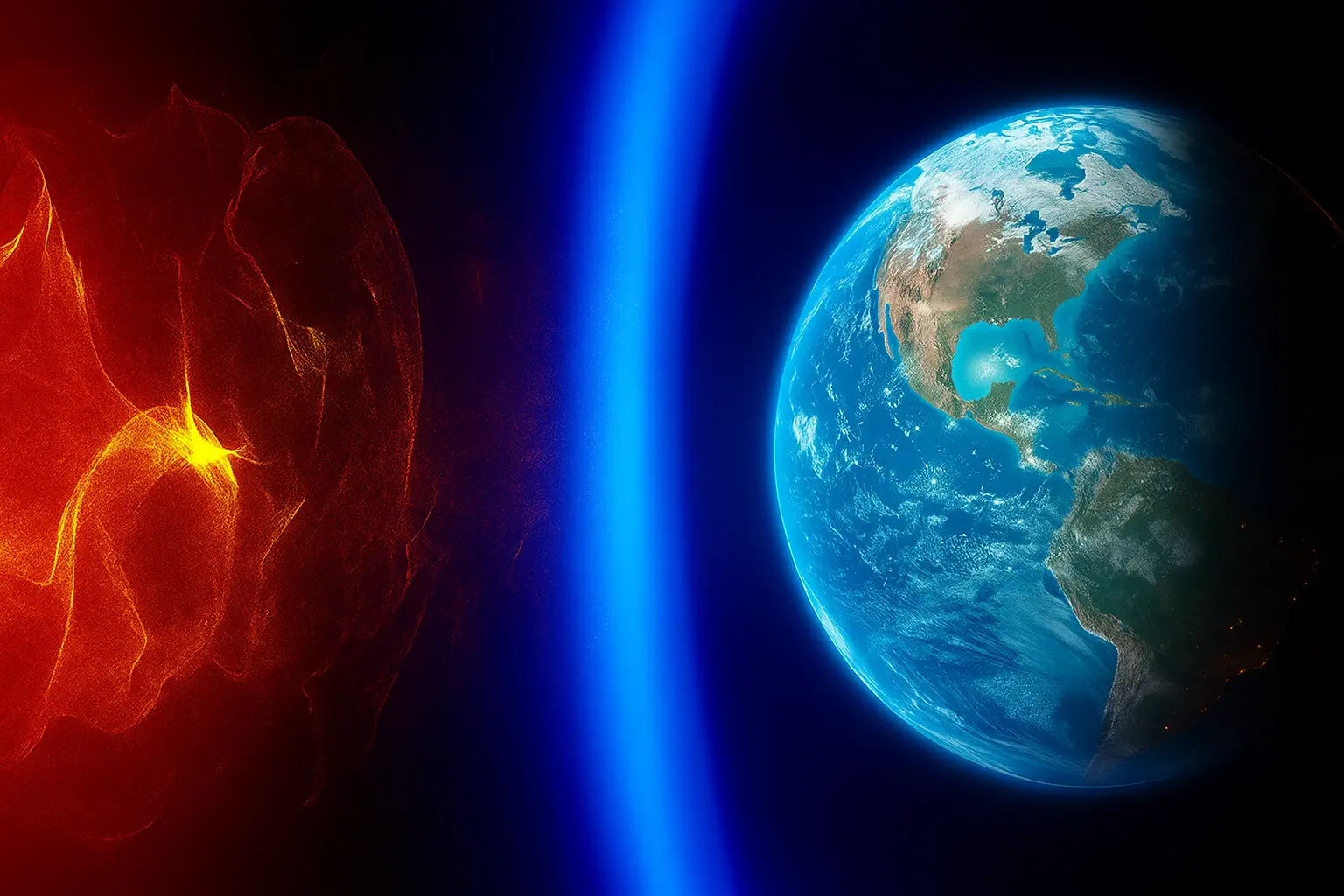
A hypothesis was put forward about the possible impact on Earth of part of a solar prominence ejected four days earlier, but it was not confirmed either. The instruments did not record the impact of a plasma cloud on the magnetosphere.
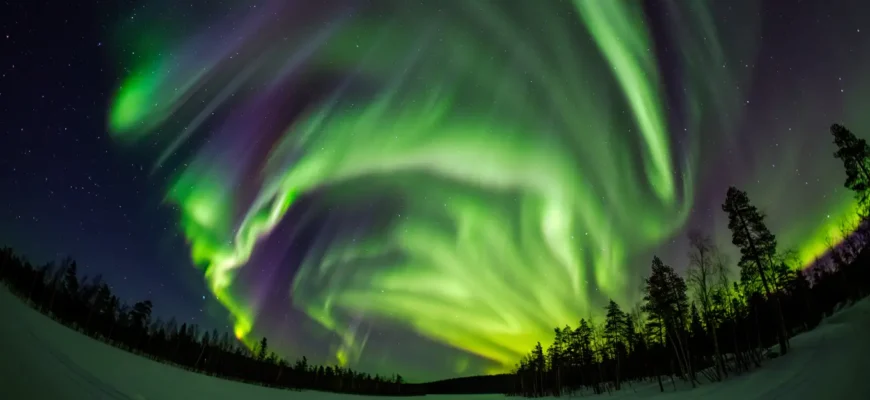
The most likely explanation is considered to be the occurrence of a large substorm—a spontaneous release of energy in the tail of the Earth’s magnetosphere without external causes. This phenomenon was accompanied by the aurora borealis (northern lights), which were observed last night.
The event became the first large-scale spontaneous disturbance of its kind this year. Its consequences are expected to completely disappear within a few hours. Scientists will have to study this phenomenon in detail to better understand the mechanisms behind such anomalies.