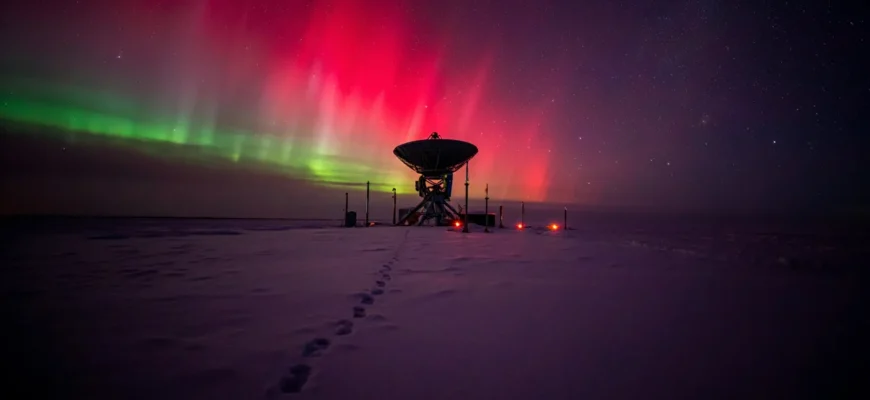
How do they arise and what do they affect?
A solar storm is a phenomenon that occurs when the Sun releases energy in the form of flares or eruptions. We have gathered a selection of facts about this phenomenon.
1. Solar storms begin with the appearance of spots on the Sun
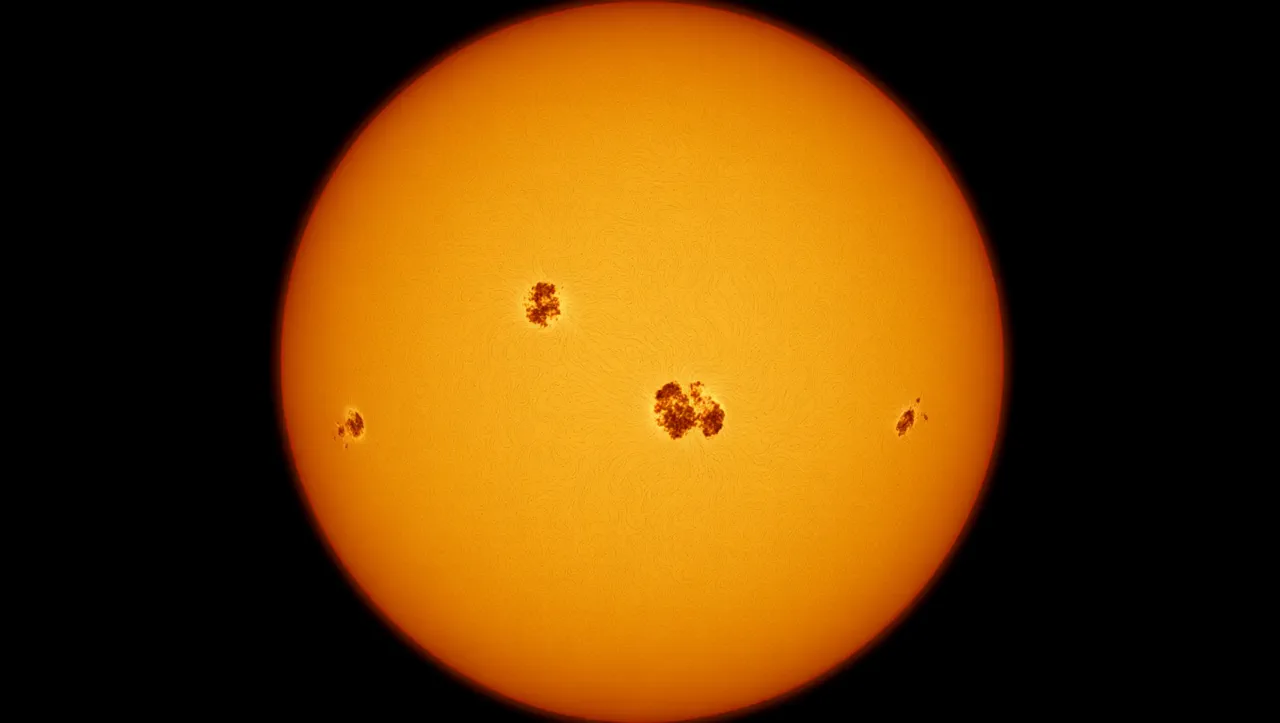
The Sun is a huge hot ball of gas. Sometimes, magnetic turbulence inside the Sun creates dark, planet-sized areas on its surface—spots that can cause solar flares.
These spots are darker because they are cooler than the rest of the Sun’s surface. The center of magnetic activity within such a spot is an increase in its pressure. This prevents heated gas from rising to the surface and further lowers the temperature of the sunspot. When the pressure becomes too great, a flare can occur on the Sun. Charged particles are ejected outwards and reach the Earth. This is a solar storm.
2. There are three types of solar storms
The most common are solar flares. These are powerful bursts of electromagnetic radiation that reach Earth in about eight minutes. Their consequences are usually limited to problems with aviation and marine equipment.
Coronal mass ejections, which are ejections of huge clouds of plasma, reach Earth in a period of one to three days. They threaten the health of astronauts and can disable satellite electronics for a period of several hours to several days.
Geomagnetic storms are the most powerful and most noticeable type of solar storm. They are the ones that cause the northern lights and malfunctions in electronic systems.
3. Solar storms can cause the northern lights
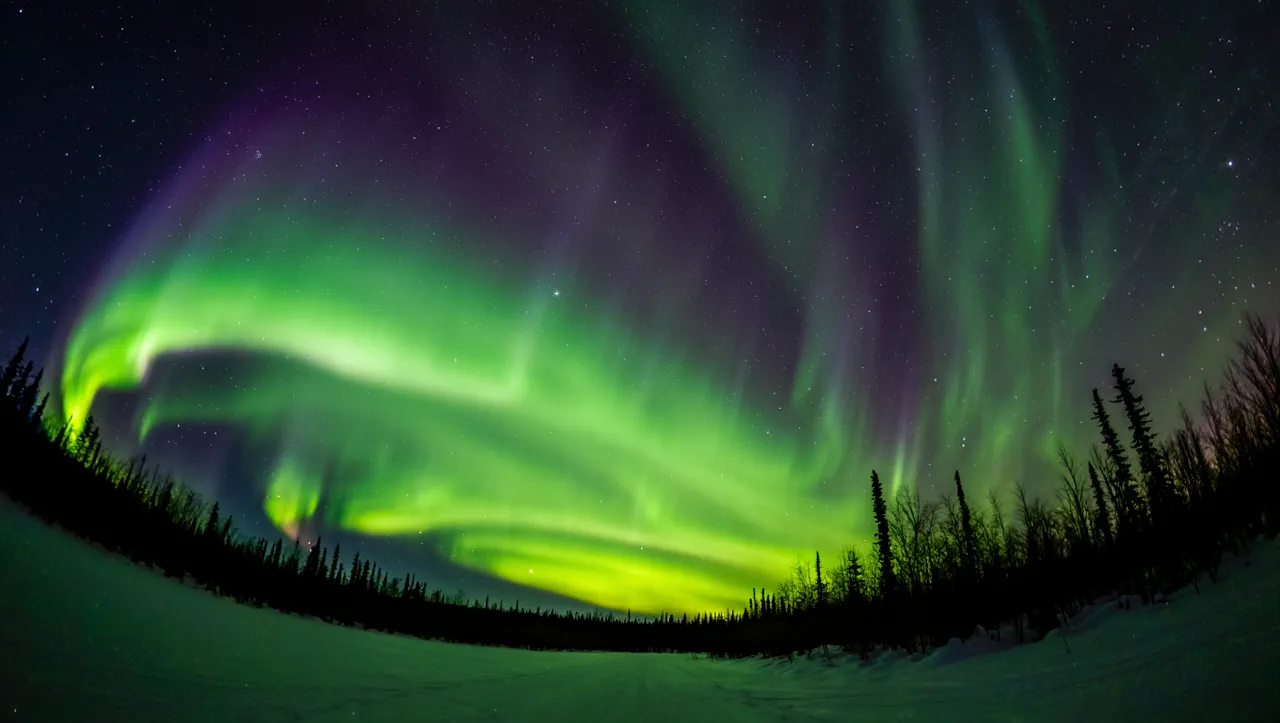
Different regions of the Sun create the solar wind. The Earth’s magnetosphere deflects most of the charged particles carried by this solar wind. When its flow intensifies, the configuration of the Earth’s magnetic field changes. At some point, the pressure of the accumulated plasma overcomes the Earth’s magnetic field.
Some of the particles enter the upper atmosphere mainly in the polar regions. They collide with oxygen and nitrogen atoms, which energize the particles and cause them to glow. This is how the northern lights are created.
Moreover, the colors will be different in the Northern and Southern hemispheres. In the North, green and white colors will prevail, while in the South, green and pink will be dominant.
4. Solar storms can affect the operation of technology
Intense storms can cause power outages and disruptions to internet providers. Satellites in orbit can also be damaged. This, in turn, leads to disruptions in the internet, radio, television, and satellite phone communications.
In 1989, a solar storm caused a 12-hour power outage in Quebec, Canada. As a result, more than 6 million people were left without electricity.
Even earlier, on September 2, 1859, the strongest geomagnetic storm was recorded. In North America, the electrical supply disappeared, telegraph equipment burned out, and electrical appliances failed. The brightest northern lights could also be seen.
Navigational systems can also be affected. Therefore, you should not rely on GPS during a solar storm, otherwise you risk going to the wrong place.
5. Solar storms also affect other planets
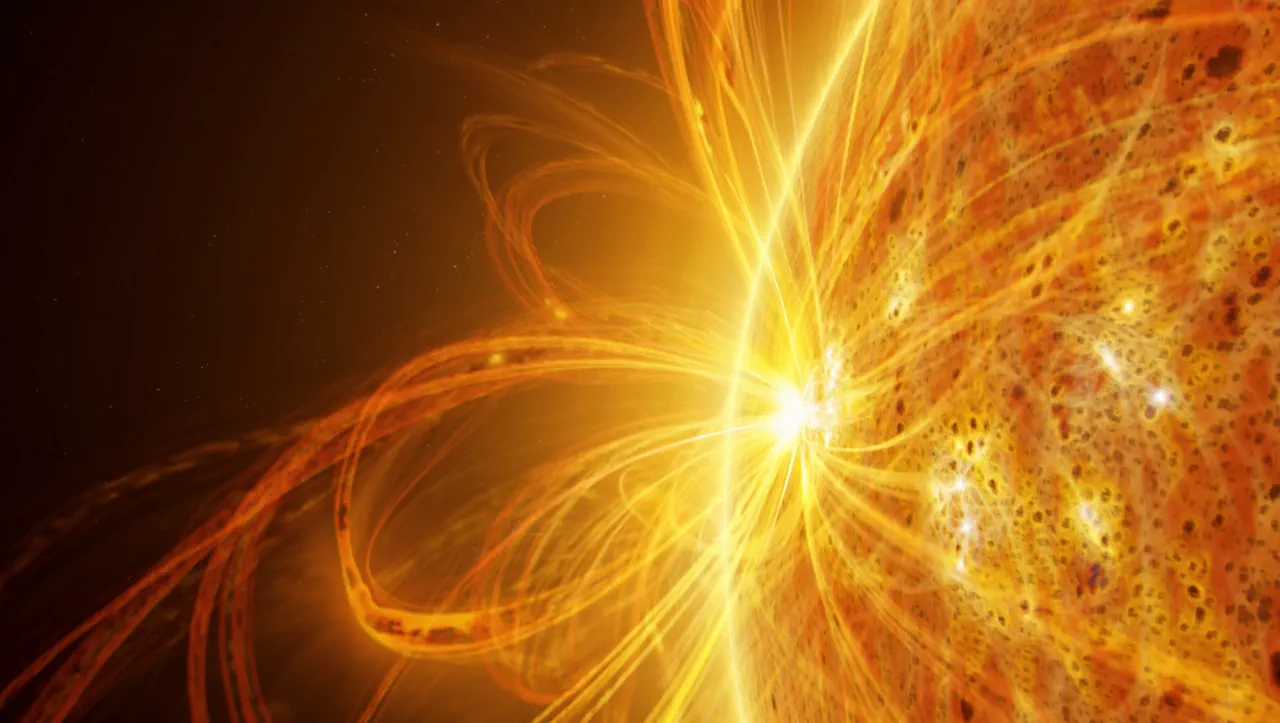
Yes, Jupiter and Saturn have strong magnetic fields that interact with solar particles and allow them to observe auroras.
In May 2024, a powerful solar storm reached Mars. Before that, some scientists believe that solar storms were what stripped the planet of its atmosphere. They suggest that about 3.7 billion years ago, Mars’s core cooled. This weakened its magnetic force and made it more susceptible to solar storms.
So they affect not only our planet. And to prevent possible damage, scientists are trying to predict when the next spots will appear on the Sun.