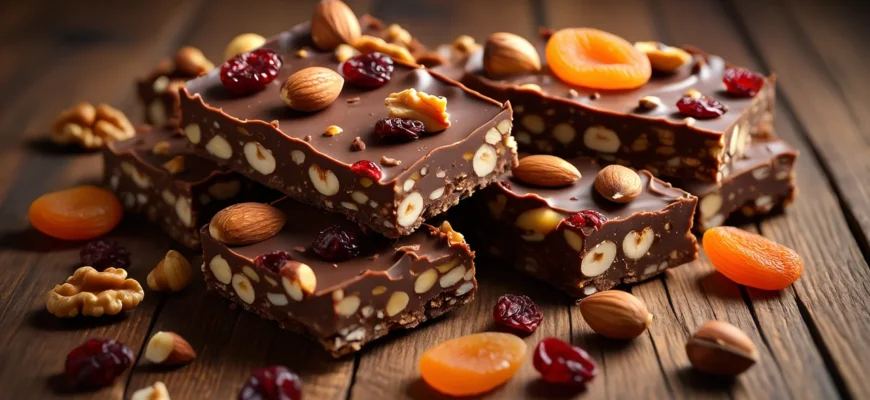
Some people are satisfied with one piece, while others can’t stop. We explain the science behind what this depends on.
It is believed that the average person consumes about 6 kg of chocolate per year. What is so special about this treat?
Types of Chocolate
For the future chocolate to develop its characteristic aroma and flavor, the beans undergo a complex processing journey.
It all starts with the tropical cocoa tree, most of whose plantations are located in West Africa. Its fruits, the pods, conceal between 25 and 50 beans surrounded by white pulp. For the future chocolate to develop its characteristic aroma and flavor, the beans undergo a complex processing journey.
First, they are fermented, then dried, and only after that are they cleaned and ground into a thick paste—cocoa mass. By subjecting the mass to pressing, manufacturers separate it into two fundamental ingredients for chocolate: defatted cocoa powder and rich, aromatic cocoa butter. It is the proportions in which they are mixed that give birth to the entire variety of chocolate types we know.
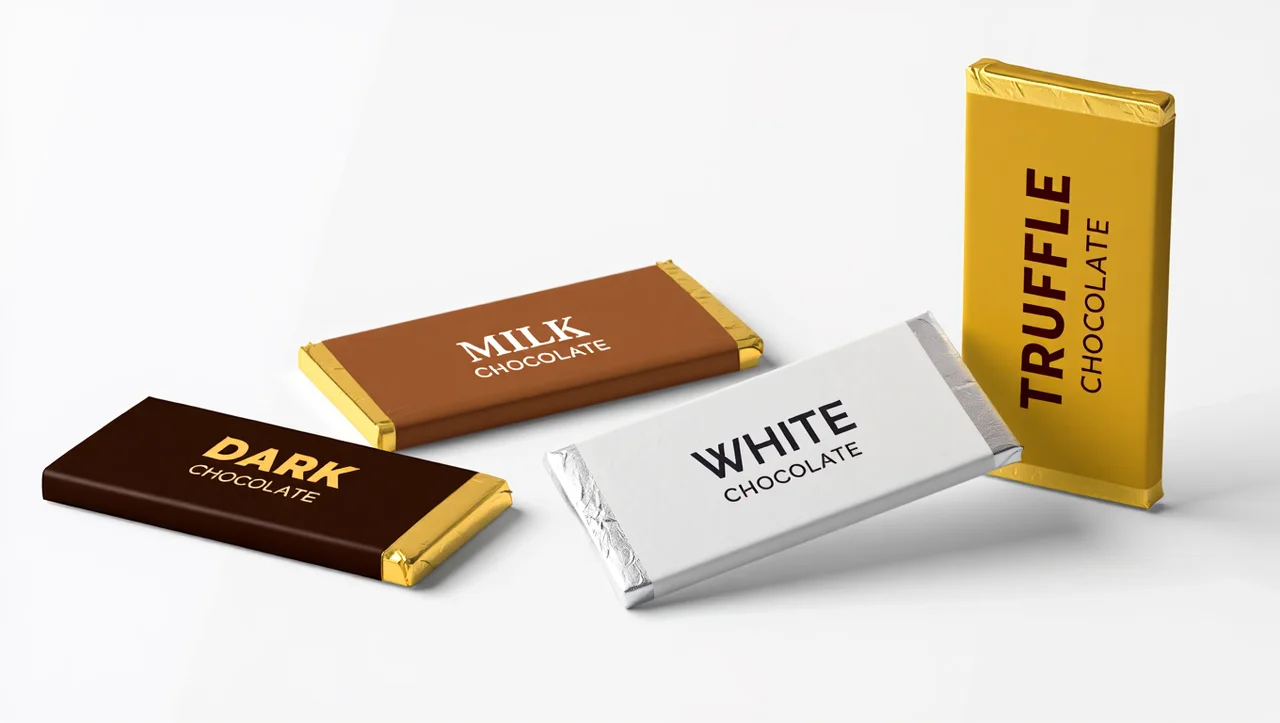
The most intense, dark chocolate, consists of at least 70% cocoa products, endowing it with a deep, sometimes bitter flavor and the maximum concentration of beneficial substances. Milk chocolate is much more tender and sweeter—it contains about 40% cocoa, and it gets its creamy texture from the addition of dry milk. White chocolate stands completely apart: it is created based on cocoa butter without adding cocoa mass, which explains its creamy color.
Why We Can’t Give Up Chocolate
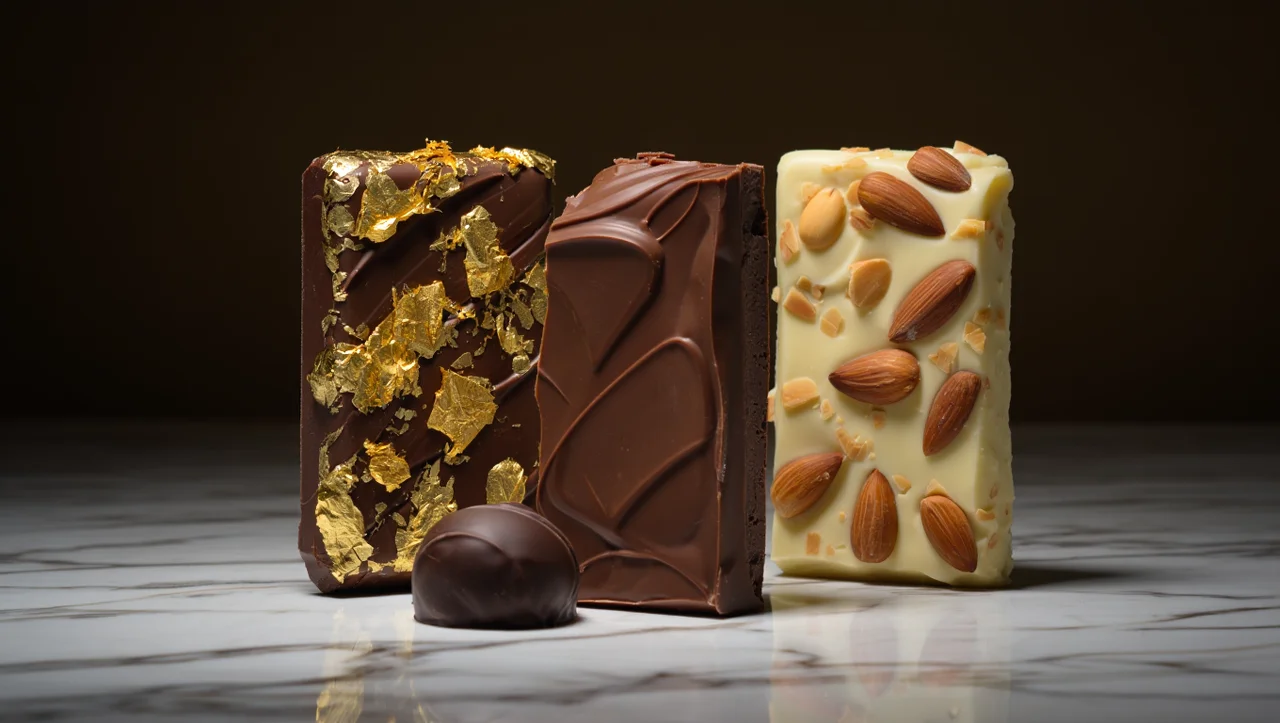
The feeling that chocolate is addictive has a scientific basis. Research by British psychologist David Lewis showed that slowly melting chocolate in the mouth causes a surge in brain activity and an accelerated heartbeat. Behind this intense experience is a cocktail of natural psychoactive substances.
Furthermore, chocolate contains the stimulants theobromine and caffeine, which have an invigorating effect. And scientists from San Diego discovered a substance called anandamide in cocoa. This neurotransmitter is naturally produced by our brains and is associated with feelings of euphoria. The researchers suggested that anandamide from chocolate might cause our own, “internal” anandamide to break down more slowly, prolonging the pleasure.
Interestingly, different types of chocolate affect the body differently. Since dark chocolate contains significantly more cocoa, the concentration of these “pleasure substances” in it is at its maximum. Milk and white chocolate have a weaker effect, but their delicate texture and sweetness also send signals of pleasure to the brain.
But what happens when pleasure turns into overindulgence? Scientists led by Canadian professor Dana Small conducted an experiment where participants ate chocolate until they reached a state of “can’t eat anymore.” Brain scans showed that at the moment when chocolate ceased to be pleasant, a completely different set of structures in the brain activated, as if signaling: “Stop, enough.”
Why Some People Don’t Like Chocolate
In avid chocolate lovers, the mere sight or taste of it activates brain areas that also “light up” in people seeking to escape reality, for example through gambling. The brain of a “chocoholic” is literally programmed for a strong reward response.
The answer to why some people adore chocolate while others are indifferent to it was found using fMRI technology. British psychologists Edmund Rolls and Ciara McCabe scanned the brains of subjects divided into two groups: those who crave chocolate and those who don’t want it. The results were striking.
It turned out that in passionate chocolate lovers, the mere sight or taste of it activates brain zones that also “ignite” in people seeking to escape reality, for example through gambling. The brain of a “chocoholic” is literally programmed for a strong reward response.
In those who do not feel a particular passion for chocolate, these brain areas remain calm. Their neural networks do not perceive chocolate as a super-valued reward.
Thus, love or indifference to chocolate is not a matter of willpower or taste, but a difference in the brain’s functioning that can be seen on MRI scans.