Dangerous Ocean Phenomenon Doesn’t Require Exotic Conditions to Occur
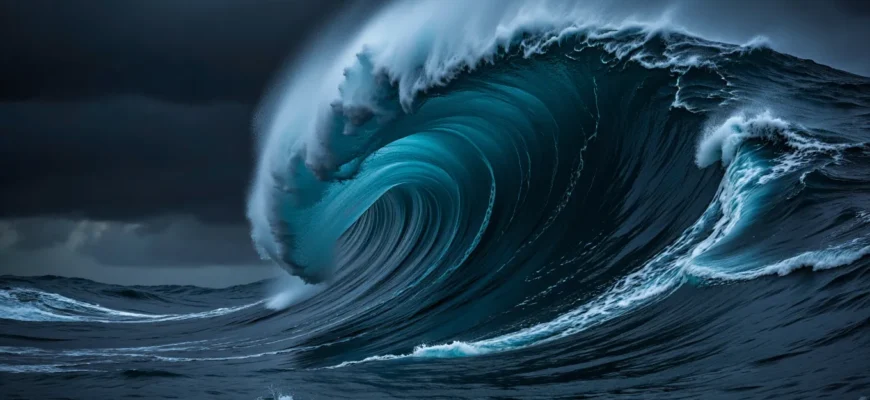
In 1995, an event in the North Sea changed scientists’ understanding of the marine elements: a 24-meter (79-foot) wave crashed into the Draupner oil platform. This phenomenon, which sailors had described as mythical for centuries, was documented with instruments for the first time.
Professor Francesco Fedele from the Georgia Institute of Technology led an international research team that analyzed 27,500 wave records over 18 years. The latest results, published in Scientific Reports, debunked traditional theories about the origin of such killer rogue waves.
It turns out that the emergence of these giant waves does not require exotic conditions—a certain combination of ordinary wave patterns is sufficient. “Rogue waves obey the natural laws of the ocean; they do not break them,” explains Fedele.
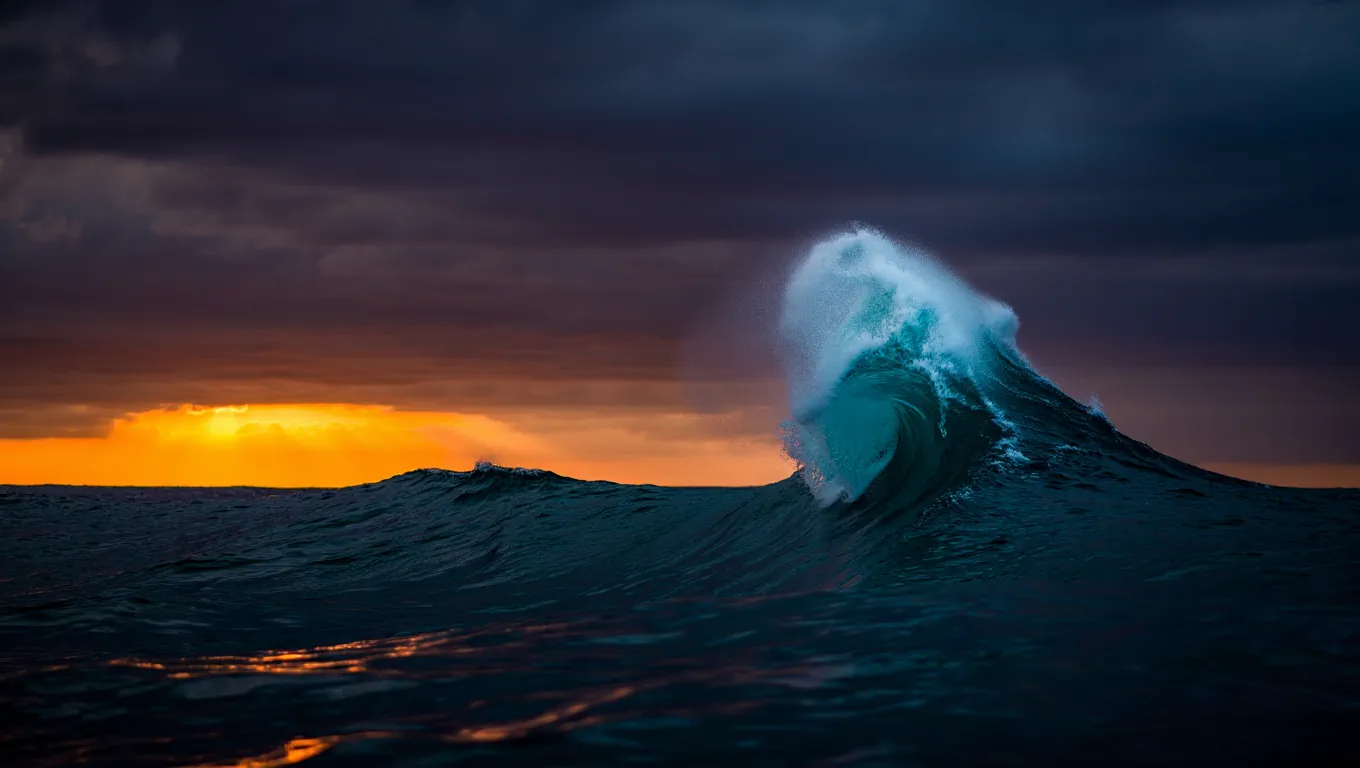
The research disproved the theory of modulation instability, which works well in laboratory conditions but not in the open ocean. Instead, scientists found that the largest waves arise from a combination of two main wave effects, amplified by the nonlinear nature of ocean waves.
The discovery has practical significance for the safety of maritime navigation and offshore structures. Prediction models, which previously considered rogue waves unpredictable, can now be improved. Fedele’s research is already being used by the U.S. National Oceanic and Atmospheric Administration (NOAA) and the energy company Chevron.
The scientist is applying machine learning to analyze multi-year wave data to train algorithms to recognize the signs preceding the emergence of extreme waves. Each rogue wave carries a unique “fingerprint”—a specific structure of waves before and after the peak—which allows for understanding the mechanism of its formation.
“Rogue waves are not just bad luck at sea. They are an extreme phenomenon, but they are also part of the ocean’s language. We are only just beginning to learn how to understand it,” added Fedele.