Israel is a country that unites different cultures, traditions, and cuisines. Its national cuisine is an amazing mix of Eastern and Western influences, which makes it unique and delicious. In this article, we will look at the peculiarities of Israeli national cuisine, including the two main cuisines of the country – Sephardic and Ashkenazi, as well as popular dishes and desserts that are an integral part of Israeli cuisine. In addition, we will consider the possibilities of gastronomic excursions in Israel, which will allow guests to enjoy the flavors and aromas of this amazing country.
Israeli national cuisine – features
Israeli cuisine combines the cultural influences of different peoples living in the country. In particular, Sephardic and Ashkenazi cuisines are represented here.
- Sephardim are Jews descended from the peoples of Spain, Portugal, North Africa and the Middle East. Sephardic cuisine is characterized by the use of many spices and various sauces. One of the most famous dishes is paella, rice with seafood and vegetables.
- Ashkenazim are Jews who originate from Central and Eastern Europe. Ashkenazi’s cuisine often uses potatoes, cabbage, meat, and pastries in its dishes. One of the most famous dishes is knish, a meat filling wrapped in dough.
Traditional dishes of Israeli cuisine
Hummus
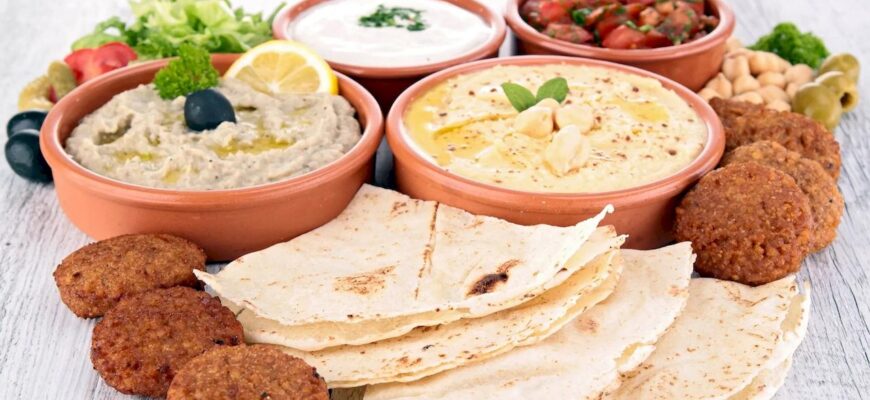
Hummus is a popular and widely consumed dish in Israel. It is a creamy spread or dip made primarily from cooked and mashed chickpeas (garbanzo beans) blended with tahini (sesame seed paste), lemon juice, garlic, olive oil, and various spices.
In Israel, hummus is considered a staple food and is consumed in various ways. It is often served as an appetizer or mezze, accompanied by fresh pita bread or other types of bread. It can be found in many Middle Eastern and Mediterranean restaurants, as well as in street food stalls and markets throughout the country.
Hummus is typically served with a drizzle of olive oil on top and can be garnished with ingredients such as paprika, cumin, parsley, or pine nuts for added flavor and presentation. It is also common to serve hummus with additional toppings, such as chopped tomatoes, cucumbers, olives, or pickles.
In recent years, hummus has become a symbol of Israeli cuisine and has gained international popularity. There are even hummus specialty restaurants in Israel, known as “hummusiyas,” where different variations of hummus are the main focus of the menu.
It’s worth noting that while hummus is enjoyed in Israel, it is also a beloved dish in other Middle Eastern countries, and there are variations in ingredients and preparation methods across the region.
Burekas
Burekas is a popular savory pastry in Israel that has its roots in the Sephardic Jewish cuisine. It is a flaky, baked pastry made with thin layers of dough and filled with various fillings. Burekas are commonly eaten as a snack or as part of a meal in Israel.
The dough for burekas is typically made from a mixture of flour, water, oil or margarine, and sometimes yogurt or sour cream. The dough is rolled out into thin sheets, and then a filling of choice is placed on one side before folding the dough over to enclose the filling. The edges are often crimped or sealed to prevent the filling from leaking during baking.
There are numerous fillings used in burekas, offering a variety of flavors and textures. Some popular fillings include:
- Cheese: A mixture of soft cheeses such as feta, white cheese, or a combination of different cheeses.
- Spinach: Cooked and seasoned spinach, often mixed with cheese or onion.
- Potato: Mashed or seasoned potato filling.
- Mushroom: Sautéed mushrooms with herbs and spices.
- Meat: Ground meat, typically seasoned and cooked before being used as a filling.
After assembling the burekas, they are baked until golden brown and crispy. Burekas can be enjoyed hot or at room temperature, and they are often served with a side of tahini or a spicy tomato sauce.
Burekas are a beloved street food and can be found in bakeries, markets, and cafes throughout Israel. They are also commonly prepared at home and served during holidays, family gatherings, or as a casual snack.
Falafel
In Israel, falafel is an incredibly popular and widely consumed food. It has become an integral part of Israeli cuisine and is commonly considered a national dish. Falafel consists of deep-fried balls or patties made from ground chickpeas (or sometimes a combination of chickpeas and fava beans), herbs, and spices.
The preparation of falafel involves soaking and grinding the chickpeas (or fava beans) along with ingredients like parsley, cilantro, onions, garlic, and various spices such as cumin, coriander, and paprika. The resulting mixture is shaped into small balls or patties and then deep-fried until they are crispy and golden brown on the outside, while remaining moist and flavorful on the inside.
In Israel, falafel is typically served in a pita bread, which is lined with various accompaniments such as tahini sauce, hummus, Israeli salad (a mixture of chopped tomatoes, cucumbers, onions, and herbs), pickles, and sometimes hot sauce or amba (a tangy mango sauce). It is often topped with additional garnishes like parsley or sumac.
Falafel stands and restaurants are found throughout Israel, ranging from small street vendors to dedicated falafel shops. It is commonly enjoyed as a quick and affordable meal, suitable for vegetarians and vegans. Additionally, falafel is also a popular street food option and is frequently served in food trucks or as part of a mezze platter in restaurants.
Babaganoush
Baba ghanoush is a popular Middle Eastern dip or spread that is also commonly enjoyed in Israel. It is made primarily from roasted or grilled eggplants, which are then mashed and combined with various ingredients to create a flavorful and creamy dish.

In Israel, baba ghanoush is typically prepared by charring the whole eggplants over an open flame or on a grill until the skin is completely blackened and the flesh becomes soft and tender. The charred eggplants are then allowed to cool before peeling off the burnt skin, which imparts a smoky flavor to the dip.
Once the eggplant flesh is peeled, it is mashed or pureed until smooth. To enhance the taste, the mashed eggplant is usually mixed with ingredients such as tahini (sesame paste), garlic, lemon juice, olive oil, and salt. These ingredients add richness, tanginess, and depth of flavor to the baba ghanoush.
In Israel, baba ghanoush is commonly served as part of a mezze spread or as a dip alongside fresh pita bread or vegetables. It can also be used as a sandwich spread or as a topping for grilled meats and fish. The creamy texture and smoky taste of baba ghanoush make it a beloved and versatile dish in Israeli cuisine.
Shakshuka
Shakshuka is a popular Israeli dish that has become a staple of Israeli cuisine. It is a flavorful and hearty dish made with poached eggs cooked in a spicy tomato sauce, often flavored with various herbs and spices. Shakshuka is typically served for breakfast or brunch but can be enjoyed at any time of the day.

The basic ingredients of Shakshuka include tomatoes, bell peppers, onions, garlic, and eggs. The tomatoes are cooked down to create a thick and rich tomato sauce, often seasoned with spices like cumin, paprika, and chili powder. Bell peppers and onions are added to the sauce, adding sweetness and depth of flavor.
Once the sauce is prepared, indentations or wells are made in the sauce, and eggs are cracked into each well. The pan is then covered and simmered gently until the eggs are poached to the desired doneness. The eggs are usually served with the tomato sauce and are often garnished with fresh herbs like parsley or cilantro.
Shakshuka is commonly enjoyed with crusty bread or pita, which is used to scoop up the flavorful sauce and runny yolks. It is also sometimes served with other accompaniments like labneh (a tangy strained yogurt), olives, or pickles.
Shakshuka has gained popularity worldwide due to its delicious taste, vibrant colors, and simple preparation. It is a versatile dish that can be customized with additional ingredients such as feta cheese, spinach, or merguez sausage to suit individual preferences.
Cholnt or Hamin
Cholent, also known as Hamin, is a traditional Jewish stew that is particularly popular in Israel. It is typically prepared on Friday before the Sabbath (Shabbat) and slow-cooked overnight so that it can be enjoyed as a warm and hearty meal the following day.
Cholent/Hamin is a dish that varies in its ingredients and preparation methods, as it has been adapted by different Jewish communities over time. However, the basic components typically include meat (such as beef or chicken), beans or legumes (such as chickpeas or kidney beans), potatoes, and various vegetables. The ingredients are often layered in a pot and then covered with water or broth before being left to simmer for several hours.
One of the unique features of cholent is its slow cooking process, which allows the flavors to meld together and develop a rich and savory taste. The dish is usually cooked on a low flame or in a slow cooker, ensuring that it becomes tender and deeply flavored by the time it is served for the Sabbath meal.
Cholent is considered a comfort food and is enjoyed not only for its taste but also for the tradition and communal aspect associated with sharing the meal. It is often served with challah bread, pickles, and other accompaniments. Different variations of cholent exist across Jewish communities worldwide, each with its own distinct flavor profile and regional influences.
St. Peter’s fish
St. Peter’s fish, also known as Tilapia, is a popular fish species in Israel. It is named after the biblical story in which Jesus instructed the Apostle Peter to catch a fish with a coin in its mouth to pay the temple tax. According to tradition, the fish caught was Tilapia, hence the name St. Peter’s fish.

Tilapia is native to the Sea of Galilee (also known as Lake Kinneret) in Israel, where it has been fished for centuries. It is a freshwater fish and is well-suited to the warm climate of the region. St. Peter’s fish has become an iconic culinary symbol in Israel, particularly in the Galilee area, where it is considered a local delicacy.
The fish is known for its firm, white flesh and mild flavor. It is often prepared whole, either grilled or baked, with various seasonings and herbs. The most traditional preparation involves seasoning the fish with lemon juice, olive oil, and a blend of spices, and then grilling it until it is cooked through and crispy.
When dining in restaurants around the Sea of Galilee, it is common to find St. Peter’s fish on the menu, and it is often served with a side of Israeli salads, tahini sauce, and freshly baked pita bread. It is a popular choice for both locals and tourists who visit the region and want to experience the flavors of traditional Israeli cuisine.
Malauah
Malawach is a traditional Jewish pastry that is also popular in other parts of the Middle East, particularly Israel. It is a flaky, layered bread that is typically pan-fried until it becomes crispy and golden brown. Malawach is made from a simple dough composed of flour, water, salt, and sometimes yeast or baking powder.

The dough is rolled out thinly and then generously brushed with oil or clarified butter (known as samneh) before being folded and rolled again. This process creates multiple layers, similar to puff pastry or croissant dough, resulting in a rich and flaky texture when cooked.
Malawach is typically served as a main dish or as part of a meal. It can be eaten plain, with various toppings, or filled with ingredients like cheese, eggs, or vegetables. It is often enjoyed with a spicy tomato sauce called zhug or served alongside other dips and salads.
Due to its delicious taste and versatility, Malawach has gained popularity outside of its Jewish origins and can be found in many Israeli and Middle Eastern restaurants around the world.
Israeli salad
Israeli salad, also known as “salat yerakot” or “Arabic salad,” is a popular and refreshing salad that is commonly consumed in Israel. It is a staple in Israeli cuisine and can be found in restaurants, homes, and street food stalls throughout the country.
The traditional Israeli salad is made from simple, fresh ingredients and is known for its vibrant colors and flavors. The main components of the salad are finely diced cucumbers and tomatoes. These vegetables are typically ripe, firm, and juicy, adding a crisp and refreshing element to the salad.
In addition to cucumbers and tomatoes, Israeli salad often includes other ingredients such as bell peppers, red onions, and fresh herbs like parsley or mint. The vegetables are typically chopped into small, uniform pieces to ensure a consistent texture and easy mixing.
The salad is seasoned with salt, pepper, and sometimes a drizzle of olive oil and lemon juice. These ingredients help to enhance the natural flavors of the vegetables and provide a tangy and refreshing dressing.
Israeli salad is commonly served as a side dish with various meals, such as falafel, shawarma, grilled meats, or as part of a mezze spread. It is also a popular filling for pita bread or laffa (a Middle Eastern flatbread), often accompanied by hummus or tahini.
Israeli salad is loved for its simplicity, freshness, and ability to complement a wide range of dishes. It is a healthy and nutritious option that showcases the vibrant produce that is readily available in Israel.
Джахнун
Jahnun is a traditional Yemeni-Israeli dish that is popular in Israel, particularly among the Yemenite Jewish community. It is a slow-cooked pastry made from rolled dough and butter or margarine, which is traditionally prepared on Friday nights and eaten for breakfast on Saturdays, known as the Sabbath.
To make jahnun, a dough is prepared using flour, water, salt, and sometimes yeast. The dough is then rolled out into thin layers, brushed with a generous amount of butter or margarine, and rolled up tightly into a log shape. The log of dough is typically left to ferment and rise overnight in a warm place.
The next morning, the rolled dough is baked at a low temperature for several hours until it becomes golden brown, tender, and flaky. The slow cooking process gives jahnun its distinct texture and rich flavor. It is often served with a drizzle of fresh tomato sauce, hilbeh (a spicy fenugreek dip), or skhug (a hot chili paste).
Jahnun is commonly enjoyed as a breakfast or brunch dish, usually on weekends or special occasions. It has become a popular street food in Israel, with specialized jahnun stands or shops offering this Yemeni delicacy. It is often served with grated tomato, hard-boiled eggs, and other condiments for a complete meal.
Desserts of Israel
Knafe
Knafe, also spelled knafeh or kunafa, is a popular dessert in Israel and other Middle Eastern countries. It is a sweet pastry made with shredded or finely ground dough called kataifi, which is layered and baked until crispy and golden. The pastry is then soaked in a sweet syrup, often flavored with rose water or orange blossom water, to add moisture and sweetness.
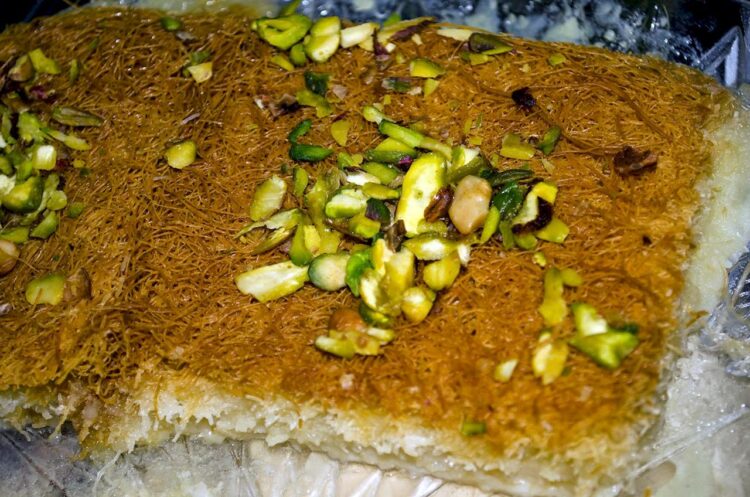
The filling of knafe typically consists of a soft, creamy cheese, traditionally Nabulsi cheese, which is a salty white cheese with a slightly chewy texture. The cheese is placed between layers of the crispy kataifi pastry, creating a contrast of textures and flavors.
After baking, knafe is often garnished with crushed pistachios or other nuts for added crunch and visual appeal. It is served warm, allowing the cheese to melt slightly and the flavors to meld together. Knafe is commonly enjoyed as a dessert or sweet treat, and it is particularly popular during festive occasions and celebrations in Israel and throughout the Middle East.
Knafe can be found in many Middle Eastern pastry shops, dessert stands, and restaurants in Israel. It is a beloved dessert with a unique combination of textures and flavors, making it a delightful indulgence for those with a sweet tooth.
Halva
Halva, also spelled halvah or halawah, is a popular sweet treat in Israel. It is a dense and rich confection made from a combination of ground sesame seeds, sweeteners such as sugar or honey, and sometimes additional flavorings like chocolate, vanilla, or nuts.
In Israel, halva is widely available and enjoyed in various forms. It is commonly sold in markets, specialty shops, and supermarkets, often in large blocks or pre-packaged slices. It is also a popular ingredient in desserts and pastries, adding a distinct nutty flavor and texture.
Traditional halva is made by grinding sesame seeds into a paste and combining it with a hot sugar syrup. The mixture is then allowed to cool and set, resulting in a crumbly yet firm texture. Modern variations may include different ingredients and flavors to create a wide range of options.
In addition to the classic sesame-based halva, Israel offers a variety of halva flavors, including chocolate, pistachio, almond, coconut, and more. These variations provide different taste experiences while still retaining the characteristic dense and sweet nature of halva.
Halva is often enjoyed as a standalone sweet treat, served with tea or coffee, or used as a topping or filling in pastries and desserts. It has become an integral part of Israeli cuisine and is a beloved snack among locals and visitors alike.
Gastronomic excursions in Israel
Israel is famous for its diverse cuisine, and there are many opportunities for visitors to the country to visit restaurants and take culinary tours. In Tel Aviv, for example, there are many restaurants with Eastern and Western cuisine, as well as farmers’ markets where you can buy fresh produce and dishes prepared on site.

In addition, there are many culinary tours that are offered throughout the country. For example, a tour to Jerusalem can include visits to local restaurants and markets where guests can try traditional dishes such as hummus and babaganoush. You can also find tours to the Galilee area, where visitors can see how local dishes are prepared on grills and open fires.
In general, gastronomic tours in Israel are a great way to get acquainted with the country’s culture and try its most delicious dishes.