“Mandry” – naturalists warn against eleven more very risky gastronomic experiments while traveling around the world
Do you also think that you should definitely try national cuisine when traveling, preferring it to “international” burgers and fries? Or do you already know, or even have tried, such authentic dishes as lutefisk, surstremming, and kazoo marzu, and therefore are not so categorical? “Mandry” – naturalists warn against eleven more very risky gastronomic experiments while traveling around the world.
1. Nenets kopalchem
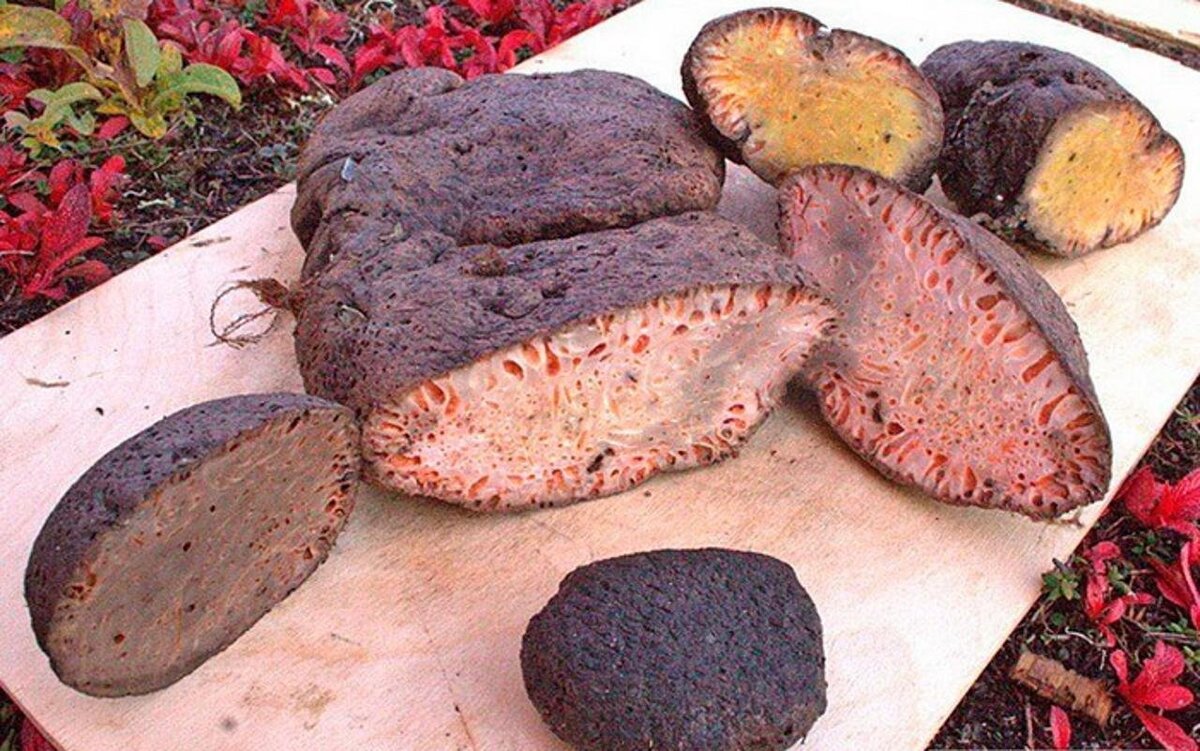
Let’s start with the trump card, putting Nenets kopalchem in the first place among the most appetizing dishes for an unprepared person. This is fermented, or simply put, rotten meat. The whole carcass of a deer (sometimes walruses or other animals are used) is lowered into the swamp and left to “cook” for several months or even years, after which it is taken out and eaten.
Attention: for people without appropriate food practices, copalchem is deadly!
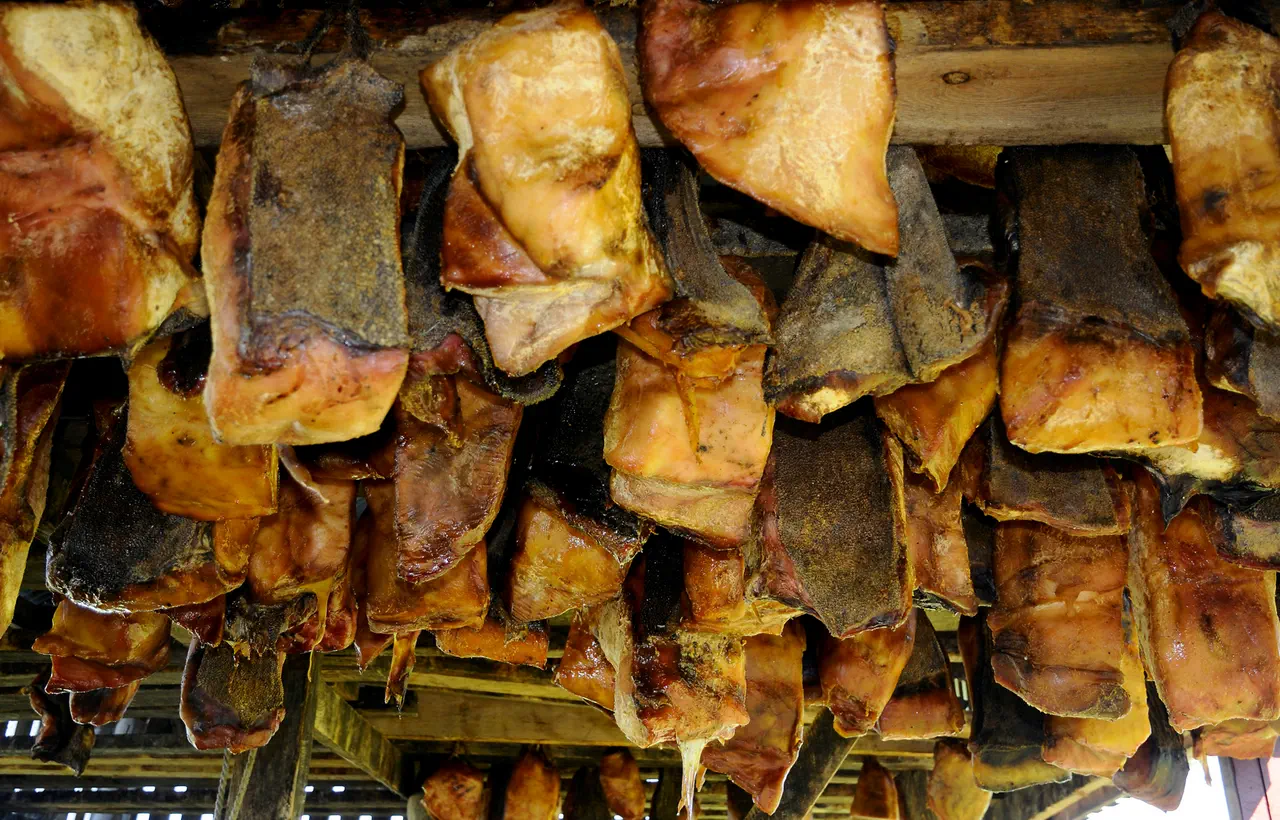
2. Icelandic haukarl.
This is literally rotten shark meat according to an ancient recipe of the inhabitants of Iceland. The caught fish is quickly decapitated and, to eliminate toxins and uric acid, placed in a pre-dug hole with stones on top. The process takes 6 to 12 weeks. When it is decided that the shark is clean, it is taken out of the ground, cut into long pieces, and dried in special sheds for several months. As soon as the smell of rot becomes the main one in the “bouquet” and a dry and hard brown crust forms on the meat, the haukarl is ready.
3. Scottish haggis
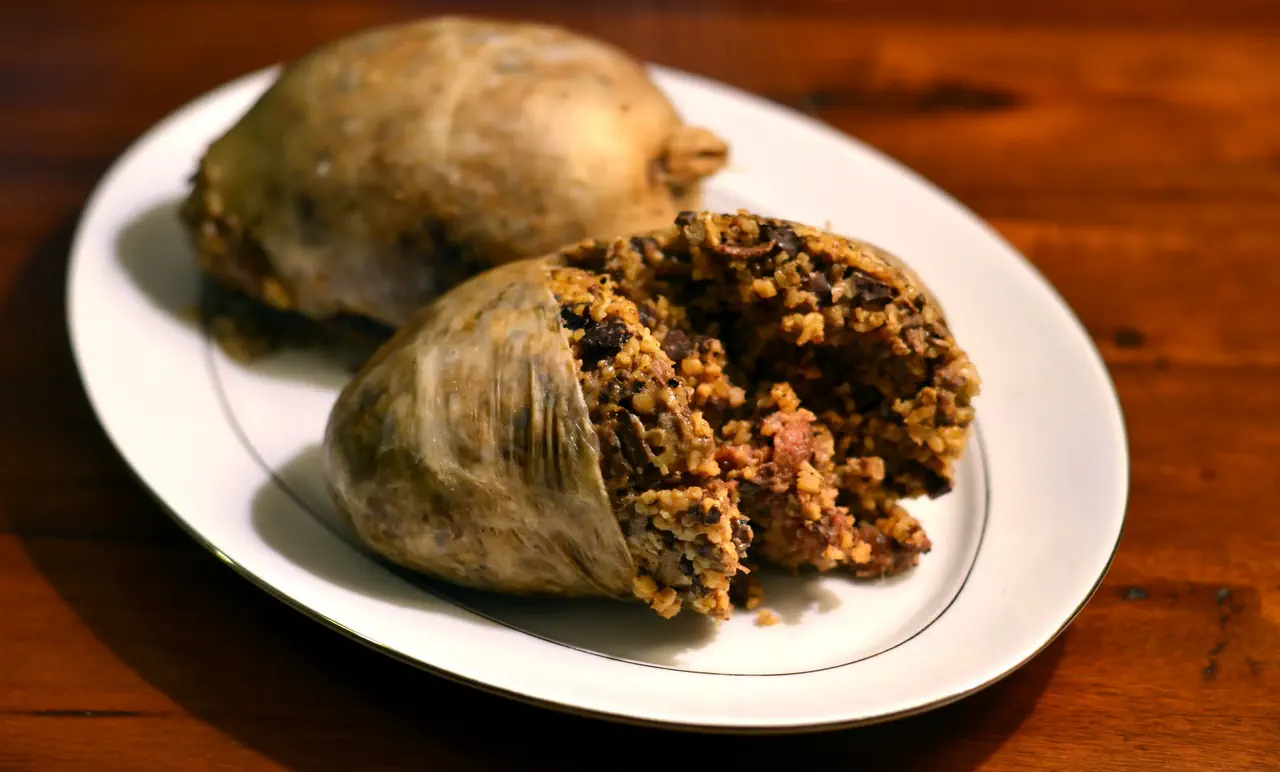
Haggis is a traditional Scottish dish consisting of sheep’s giblets mixed with onions, cornflakes, and spices. It is usually garnished with mashed potatoes and boiled vegetables, and is washed down with warmed island whiskey. All ingredients are ground or finely chopped and placed in a lamb stomach. The haggis is cooked for 4 hours in chicken broth, then put in the oven for half an hour to brown and crisp.
4. Chinese lunhudou
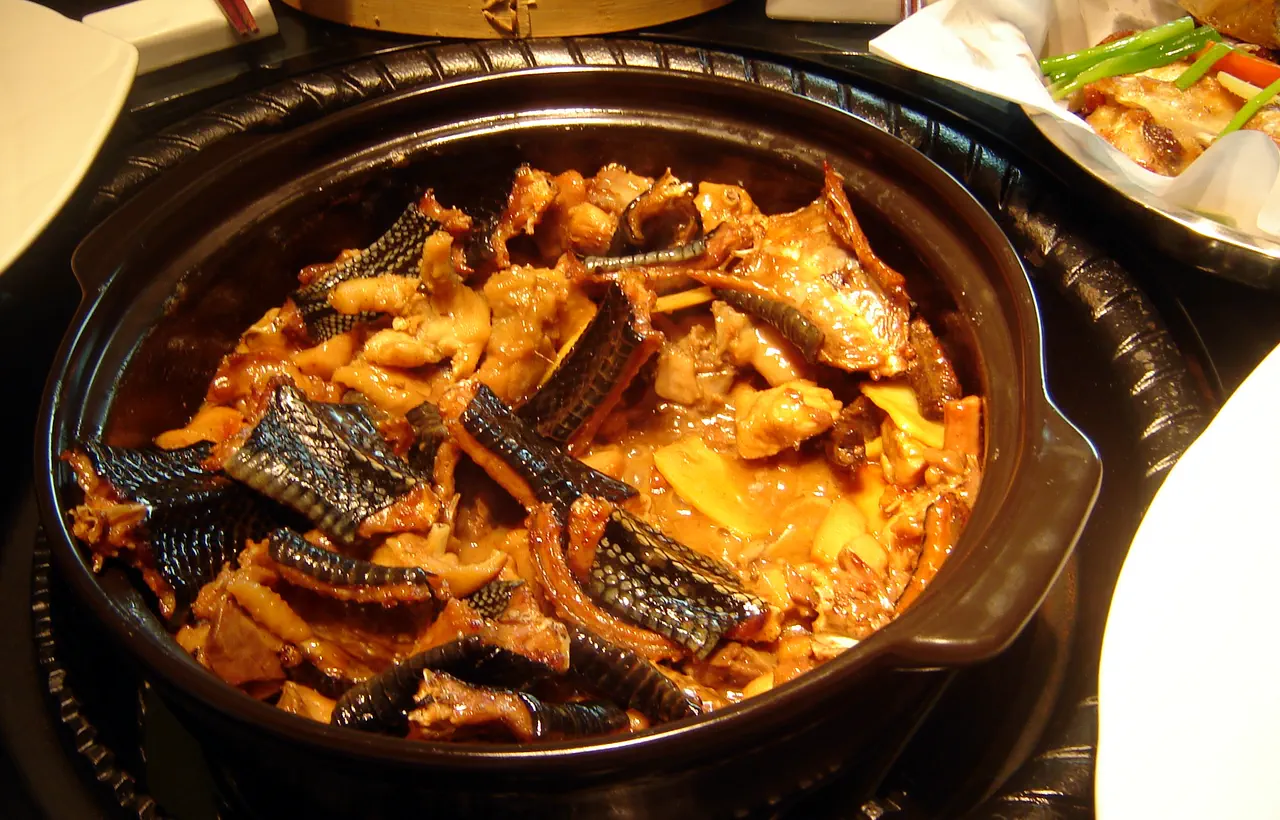
Guangdong Province on the southeastern coast of China has invented many interesting dishes that have become traditional for the country: stewed python with chicken and bamboo chips, five-snake stew, and fresh mushrooms in oyster sauce. And the most exotic dish, lunhudou, or “Battle of the Dragon and the Tiger,” is made from three poisonous snakes, symbolizing the dragon, and a raccoon cat, symbolizing the tiger. The cooking process is kept secret and is considered aerobatics for the chef, as it consists of several dozen operations and includes the use of more than 20 spices. The dish is served with lemon tree leaves and chrysanthemum petals.
5. Chinese centenary eggs
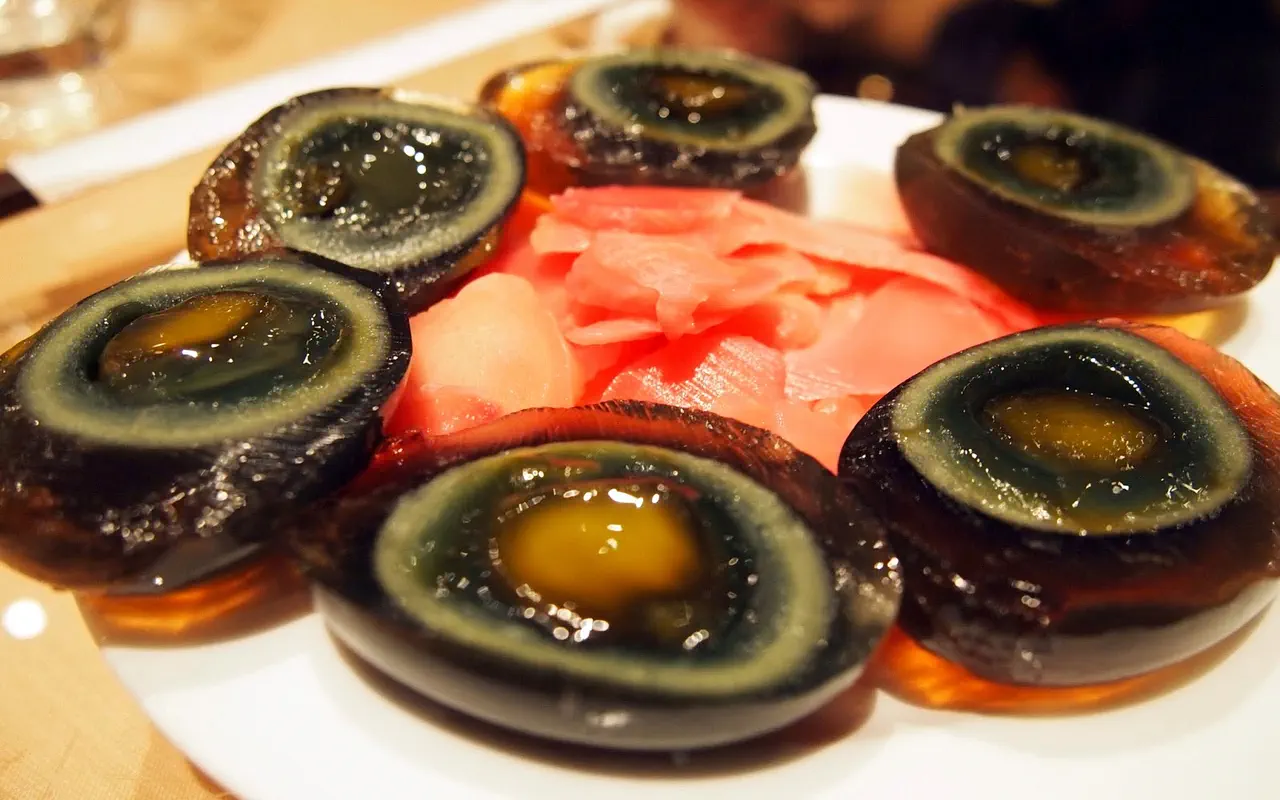
Duck, chicken, or quail eggs are coated with a mixture of tea, salt, lime, ash, and clay, rolled in rice husks, then in straw, and buried in the ground for 3–4 months. When the eggs are pulled out of the ground, the white becomes dark brown and translucent, and the yolk is creamy, ranging in color from gray to black. The yolk gives off a strong ammonia odor, but this does not prevent the Chinese (and the Europeans who joined them) from enjoying the snack.
6. Namibian stewed bullfrog
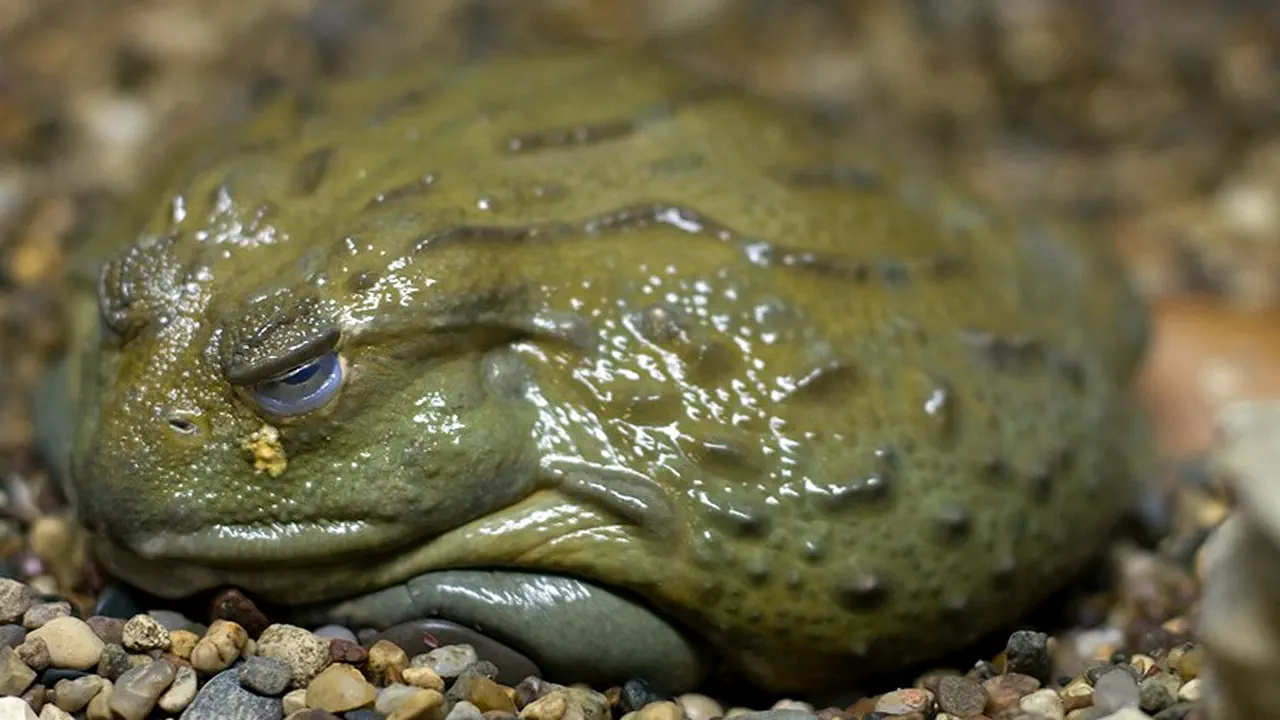
Desperate gastro-tourists in Namibia may be offered to try a bullfrog stewed in sour cream or white wine, which is usually eaten with a vegetable garnish. It sounds appetizing, if you don’t know that the meat of this amphibian during the breeding season contains a dangerous toxin that can destroy the human liver and kidneys, which often leads to death. However, during the rainy season, the concentration of the poison decreases, as does the likelihood of death.
7. African kungu cakes
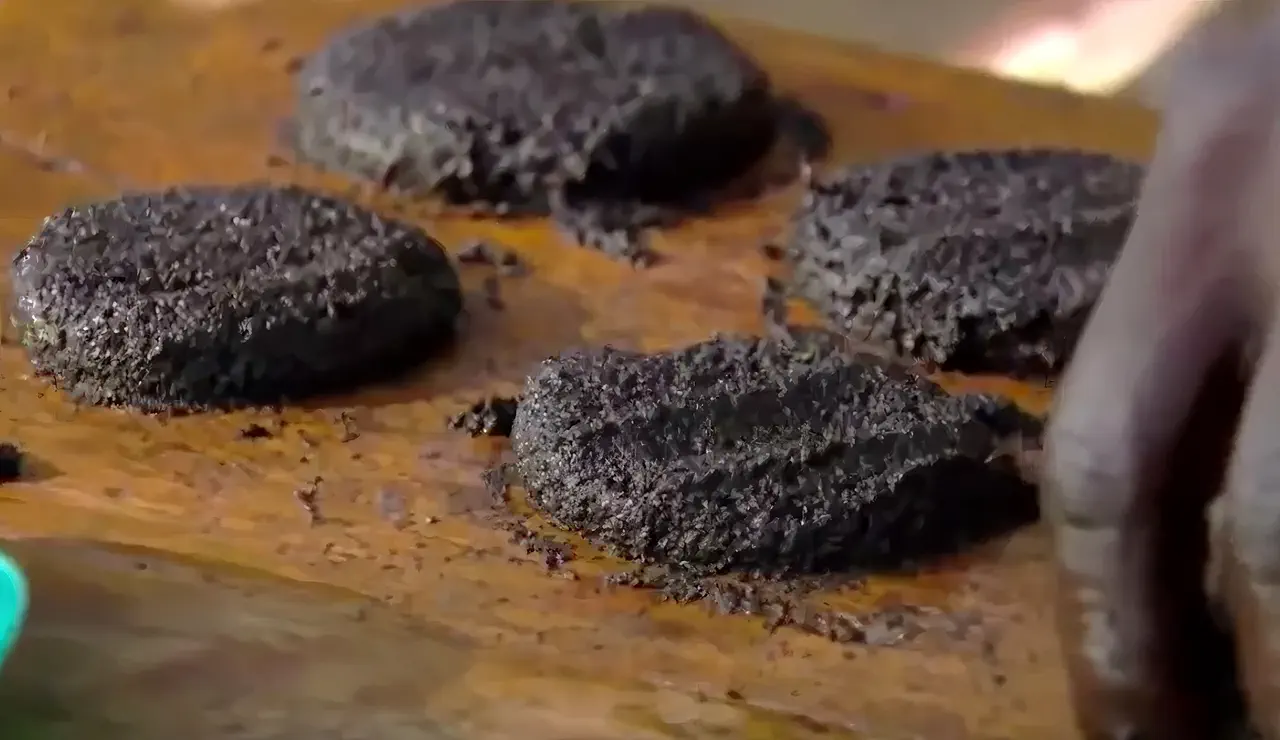
This dish appeared along the shores of the great African lakes, that is, in one of the most densely populated regions of the world, where Uganda, Rwanda, Burundi, Congo, Tanzania, Malawi, Zambia, Mozambique and other countries are located. Local lake mosquitoes do not bite, and during the breeding season they form whole living clouds – that’s when they are caught for gastronomic purposes. The pan is greased with oil inside (so that the insects stick) and waved in the air, then the catch is formed into patties and fried. Kunga is eaten as an independent dish – a source of valuable protein – and even put into hamburgers.
8. Asian fried spiders
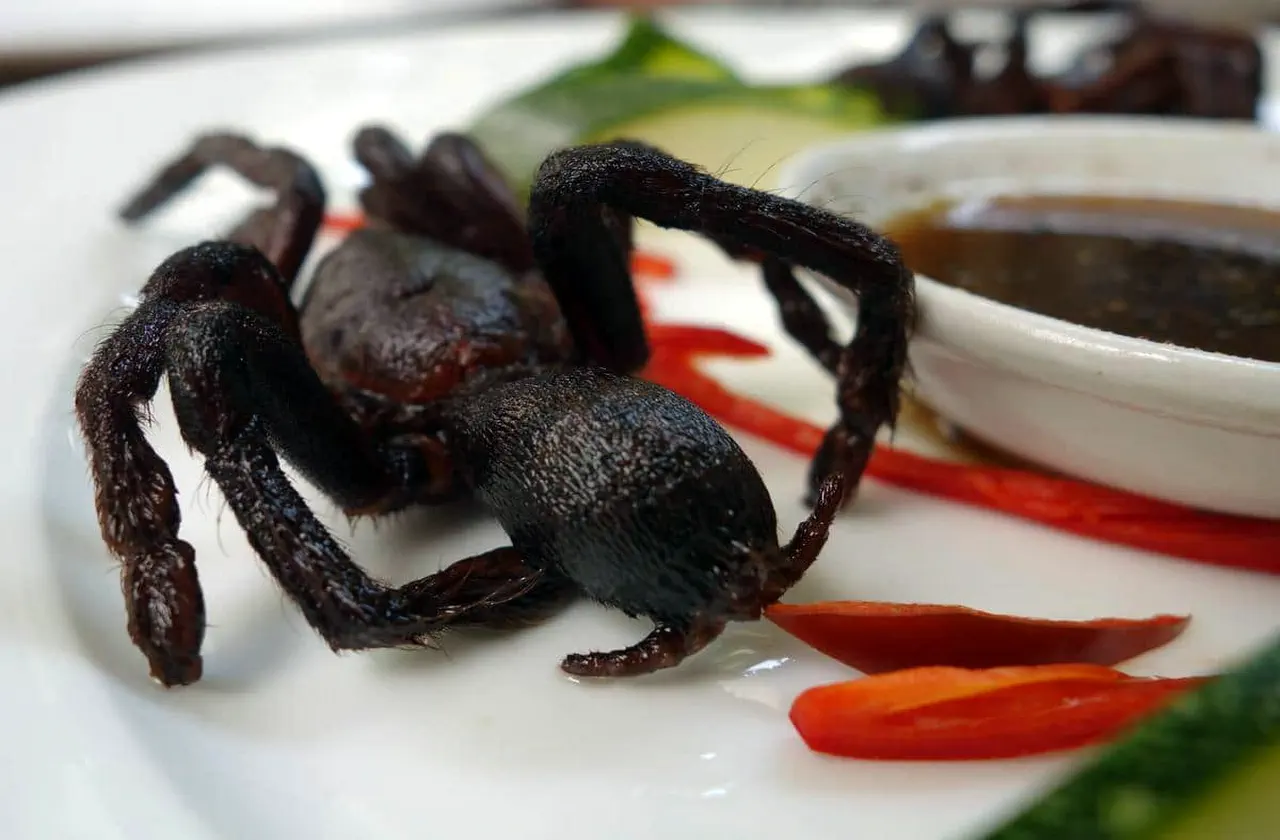
Frying spiders is a tradition in Cambodia, near the city of Svuon. Tarantulas are best suited for this purpose – they are deep-fried and served with fresh herbs on a bed of rice or noodles.
An important point: the spider’s belly should never be bitten, as the insides can be poisoned.
9. Haitian clay cakes made of clay
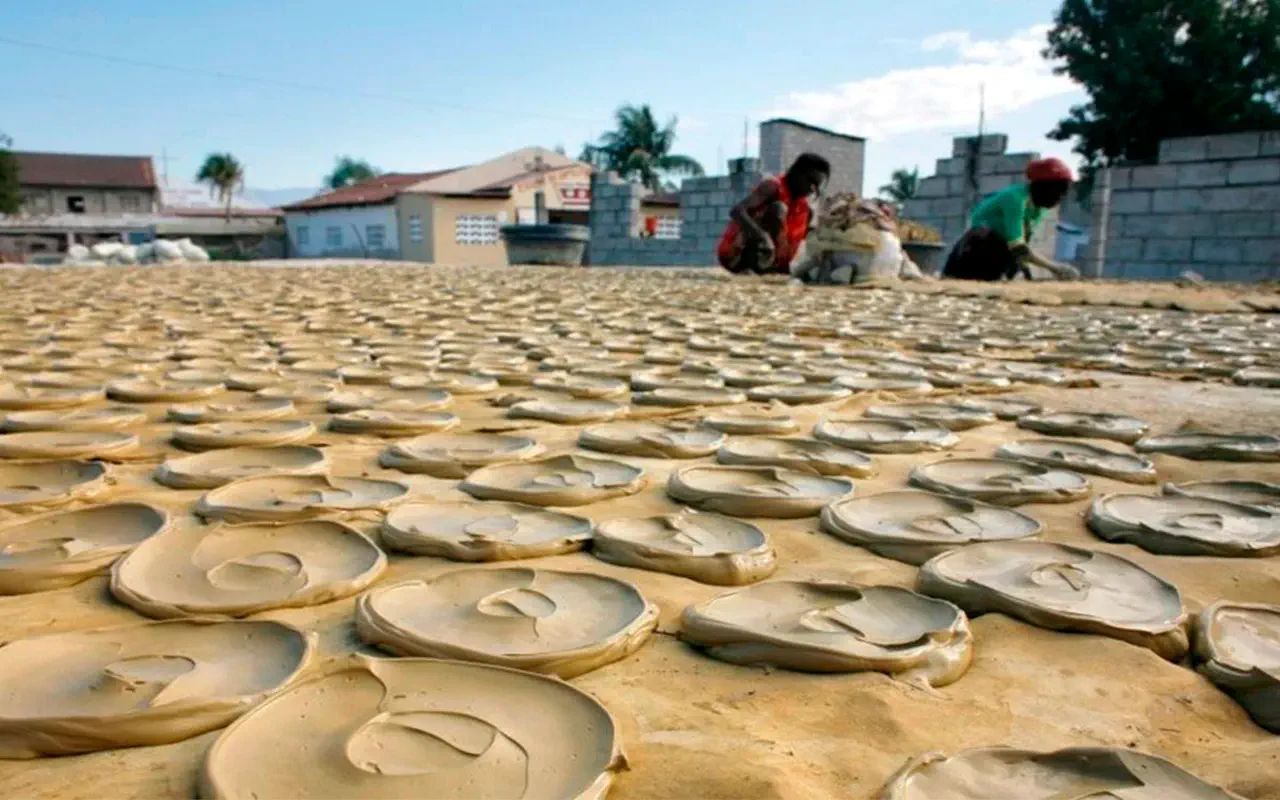
They are made from a special yellow clay that is harvested in one of the regions of Haiti. The tortillas are baked in special bakeries using a special technology: first, a mixture of yellow clay, water, salt, and margarine is prepared. The mixture is used to make tortillas and laid out under the hot sun to dry. When they set on the outside, they remain slightly moist inside. Sometimes some vegetables are added to the “dough”.
10. Vietnamese niocmam
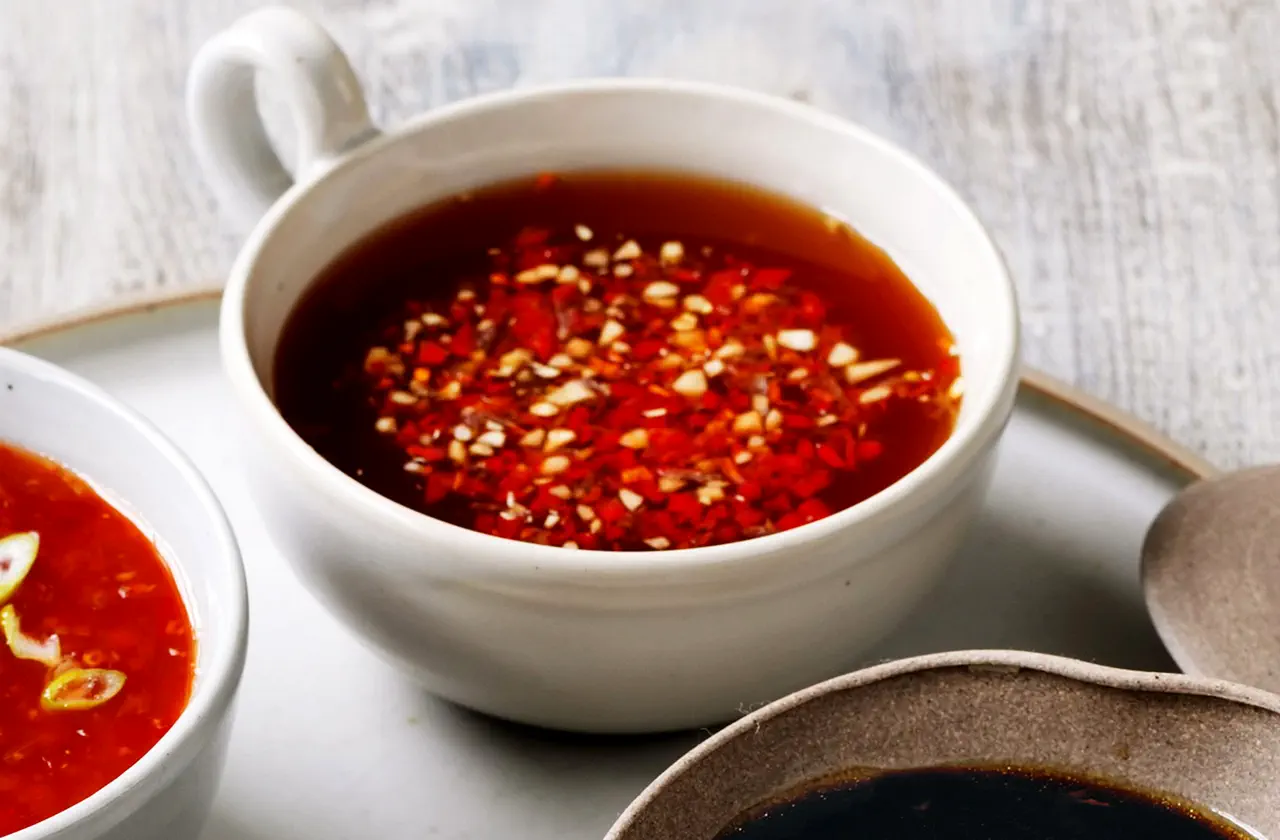
In Vietnam, fish sauce niocmam is widely used in cooking, called liquid salt. It is prepared in the following way: small anchovies, and sometimes other fish waste, including giblets, blood of large fish, etc., are sprinkled with sea salt in a ratio of 3 to 1 and left to ferment in wooden vats under load for a period of three months to three years. In the process of making the sauce, it is recommended to let it “breathe” in the sun from time to time – then the liquid released from the mixture of fish and salt acquires the correct amber color.
11. Finnish salmiakki
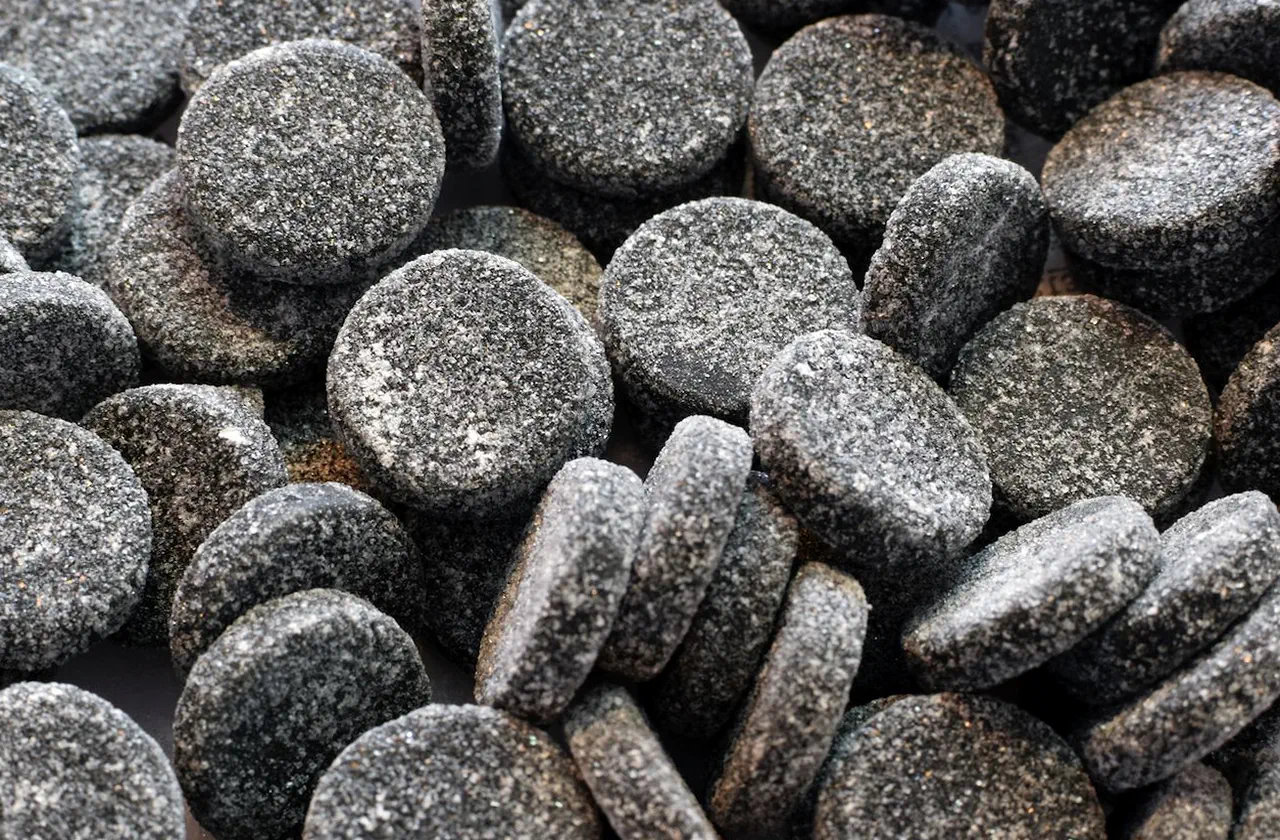
Salmiakki is a black licorice candy whose “copyright” is disputed by the Netherlands, Great Britain, and Finland. They also smell like ammonia. And this is quite understandable, because salmiakka, in addition to licorice root, contains fragrant ammonium chloride. Other ingredients include sugar, salt, starch, gelatin, and activated charcoal to give the dish its radical black color.