- 44 Cases, 6,000 Verb Forms, and 180 Words for Snow! Exploring the World’s Most Challenging Languages
- 1. Chippewa Language – The Hardest Language in the World: Around 6,000 Verb Forms
- 2. Tabasaran Language: Over 44 Grammatical Cases
- 3. Haida Language: Around 70 Prefixes
- 4. Russian Language: What’s Written Doesn’t Match What’s Spoken
- 5. Nganasan Language: Over 20 Words for Reindeer
- 6. Saami (Lappish) Language: Around 180 Words for Snow
- 7. Nivkh Language: Over 20 Forms of Numerals
- 8. Chinese Language: Over 85,000 Characters
- 9. Tuyuca Language: Over 50 Grammatical Genders
- 10. Abkhaz Language: Around 60 Consonants
44 Cases, 6,000 Verb Forms, and 180 Words for Snow! Exploring the World’s Most Challenging Languages
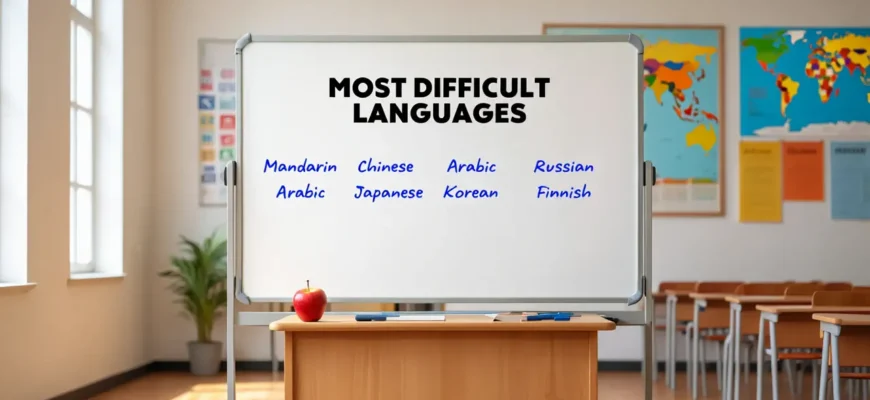
Is it even possible to pick just one? Let’s break it down. Currently, there are about 7,000 languages spoken worldwide, and determining which are the hardest is a relative matter. Language is a complex system with many evaluation criteria, and when assessing difficulty, people inevitably compare it to their native tongue. We’ve tried to stay objective and compiled a list of the ten most difficult languages in the world. Not all of them have official status in their respective countries, but each has unique features that make them exceptionally challenging.
1. Chippewa Language – The Hardest Language in the World: Around 6,000 Verb Forms
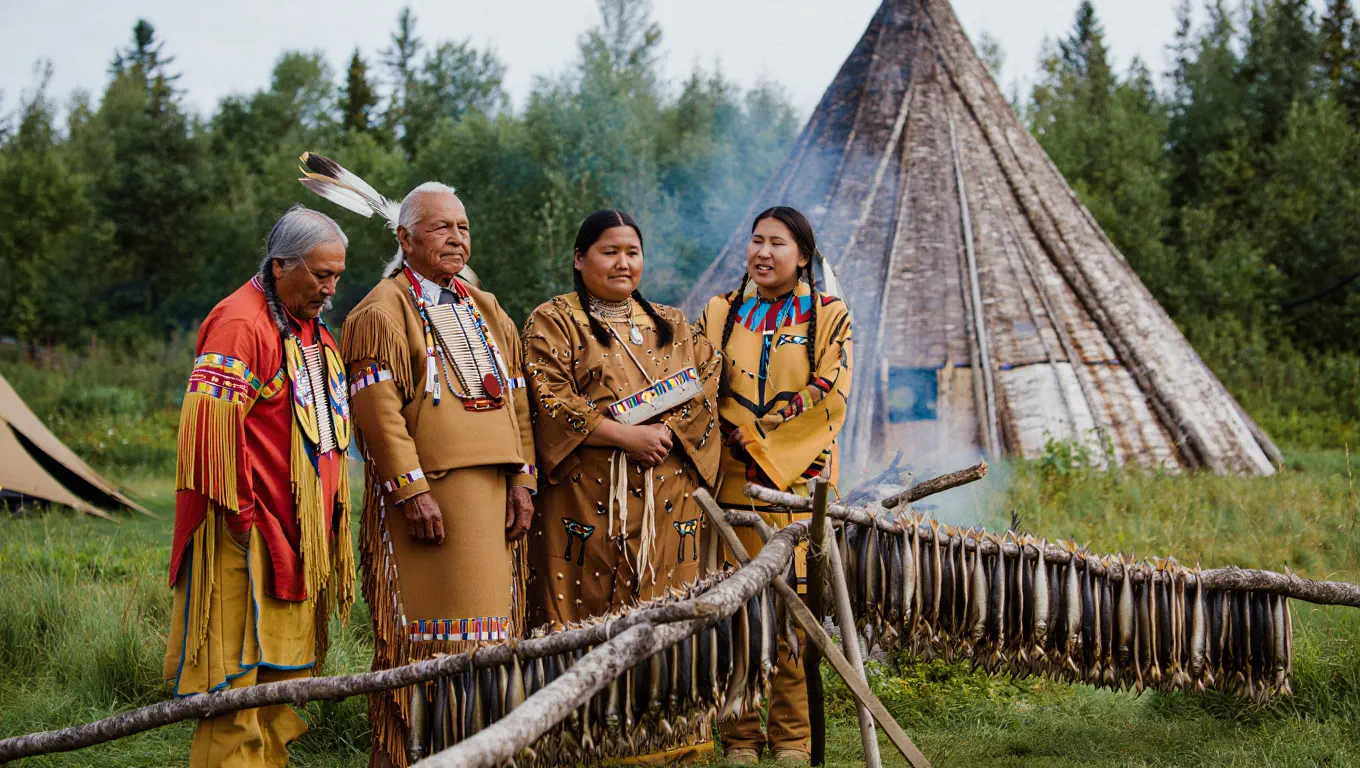
According to the Guinness World Records, one of the most difficult languages is Chippewa, spoken by Native American tribes. It boasts around 6,000 verb forms!
You probably know at least two words from this language—”totem” and “wigwam.” And if you’ve read Henry Wadsworth Longfellow’s The Song of Hiawatha, you might recognize even more. In his work, the poet incorporated myths, place names, and vocabulary from the Chippewa people.
2. Tabasaran Language: Over 44 Grammatical Cases
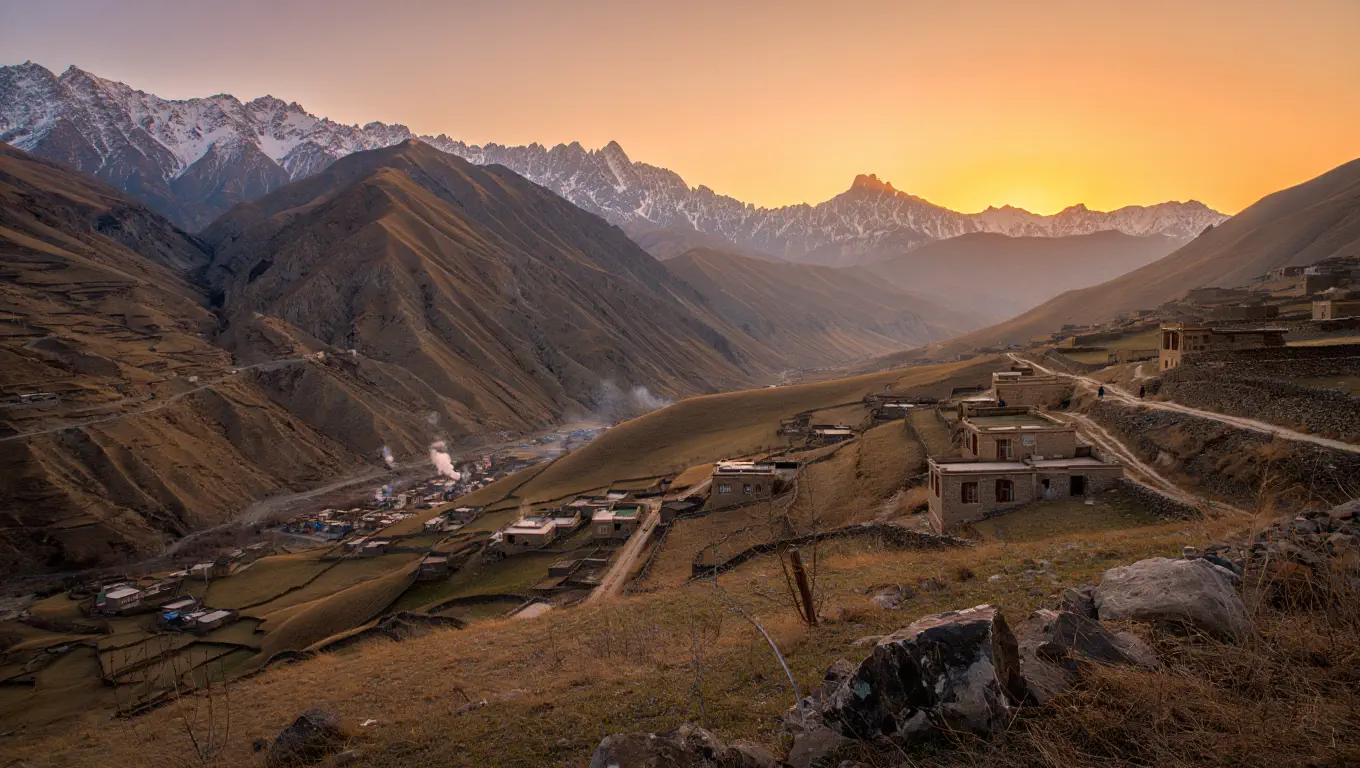
This language, part of the Lezgic branch of the Northeast Caucasian family, holds the world record for the number of grammatical cases—Tabasaran has at least 44! Linguists still debate the exact count.
However, linguist Dmitry Kachkov questions the Guinness record. First, he notes that modern Tabasaran is undergoing simplification. Second, the Tsez (Dido) language has even more cases. While the exact number is disputed, linguists Maria Polinsky and Bernard Comrie identify six core cases and 56 case forms. Regardless, Tabasaran, spoken in southern Dagestan, rightfully earns its place among the world’s hardest languages!
Fun fact: Did you know there’s no single “Dagestani language” or “Dagestani nationality”? This multiethnic Russian region is home to over 40 languages, including Dargwa, Avar, Lezgian—and Tabasaran is just one of them.
3. Haida Language: Around 70 Prefixes
Today, this language is critically endangered, with only about 300 speakers in Canada and Alaska.
Previously, Haida was classified as part of the Na-Dené language family, but it has since been recognized as an isolate. It earned its Guinness record for having around 70 prefixes.
To aid its revival, the 2017 Canadian film The Edge of the Knife was produced in British Columbia. The entire movie is spoken in Haida.
4. Russian Language: What’s Written Doesn’t Match What’s Spoken
“Well, no, probably”—agreeing, refusing, doubting… all in one sentence! For foreigners, understanding Russians is a real nightmare.
Among widely spoken languages, Russian is one of the toughest. Unlike the previous entries, it holds official status in multiple countries. Unpredictable sounds, stress patterns that change word meanings, and complex declensions are just a few hurdles learners face. Take this phrase: “Та ні, напевно” (“Well, no, probably”)—it can express agreement, refusal, or doubt, all at once! For non-natives, deciphering Russian is a true challenge.
Other quirks? English lacks grammatical gender, but Russian nouns are gendered—masculine, feminine, or neuter—adding another layer of complexity.
In 2016, Yandex analyzed search queries about Russian language difficulties. Turns out, spelling rules were the most frequently searched topic.
5. Nganasan Language: Over 20 Words for Reindeer
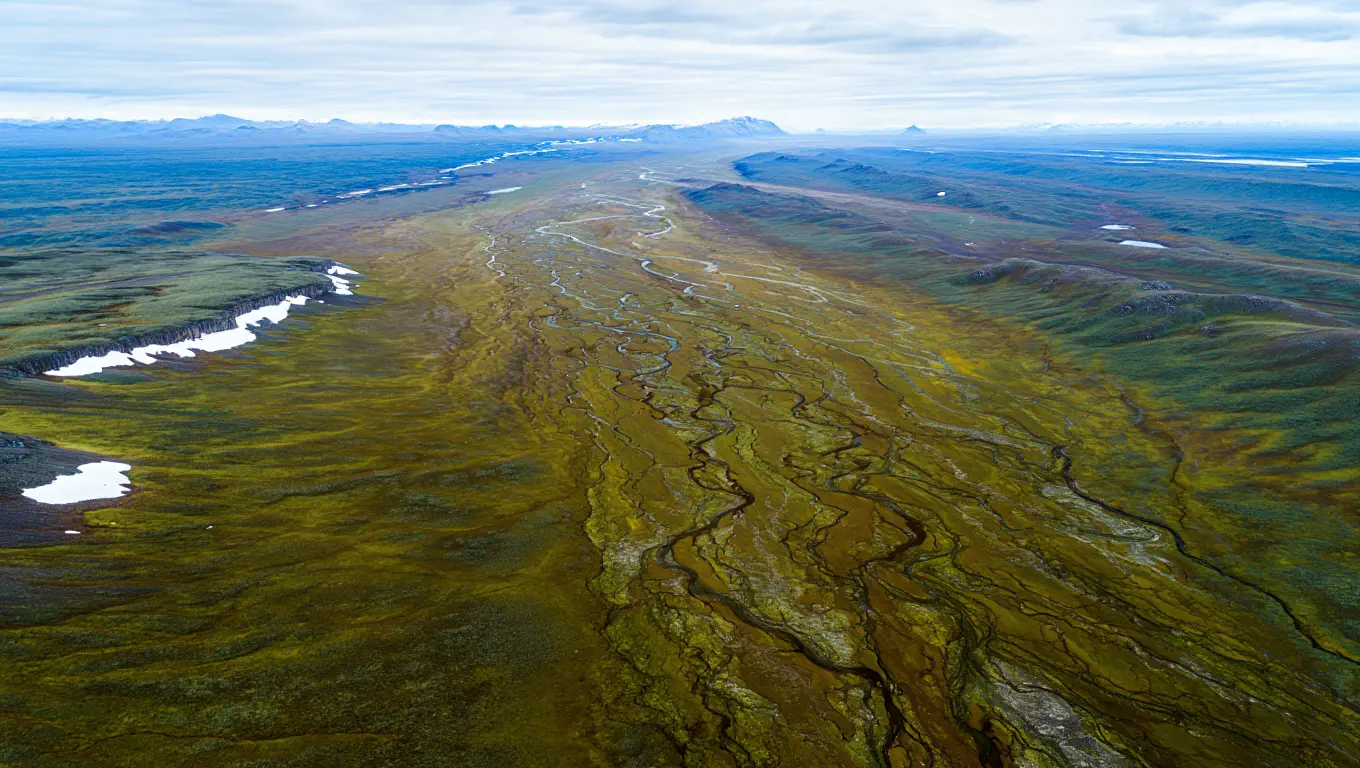
The Nganasan language is also among the world’s most complex. Its speakers, the Nganasan people, inhabit central and northern Taimyr Peninsula—considered Eurasia’s northernmost indigenous group by the Russian Academy of Sciences. Their 3,500-year reindeer herding tradition is deeply embedded in their vocabulary. For example: “bakhi” (wild reindeer), “byk” (castrated male for transport), and “bangai” (female who hasn’t calved this year).
Interestingly, Nganasan only gained a written form in 1990, based on Cyrillic with added letters for unique sounds.
6. Saami (Lappish) Language: Around 180 Words for Snow
Saami communities across different countries speak such distinct dialects that they may not understand each other.
The Saami, Europe’s northernmost indigenous people, live in Norway, Sweden, Finland, and northern Russia. Their language reflects their Arctic environment, with about 180 words for snow and ice! Examples: “vahca” (fresh, fluffy snow), “cahki” (hard, compact snow), “skava” (thin, frozen layer), and “guoldu” (snow cloud rising from the ground in extreme cold).
Dialectal differences are so vast that some linguists argue these are separate Saami languages rather than dialects.
7. Nivkh Language: Over 20 Forms of Numerals
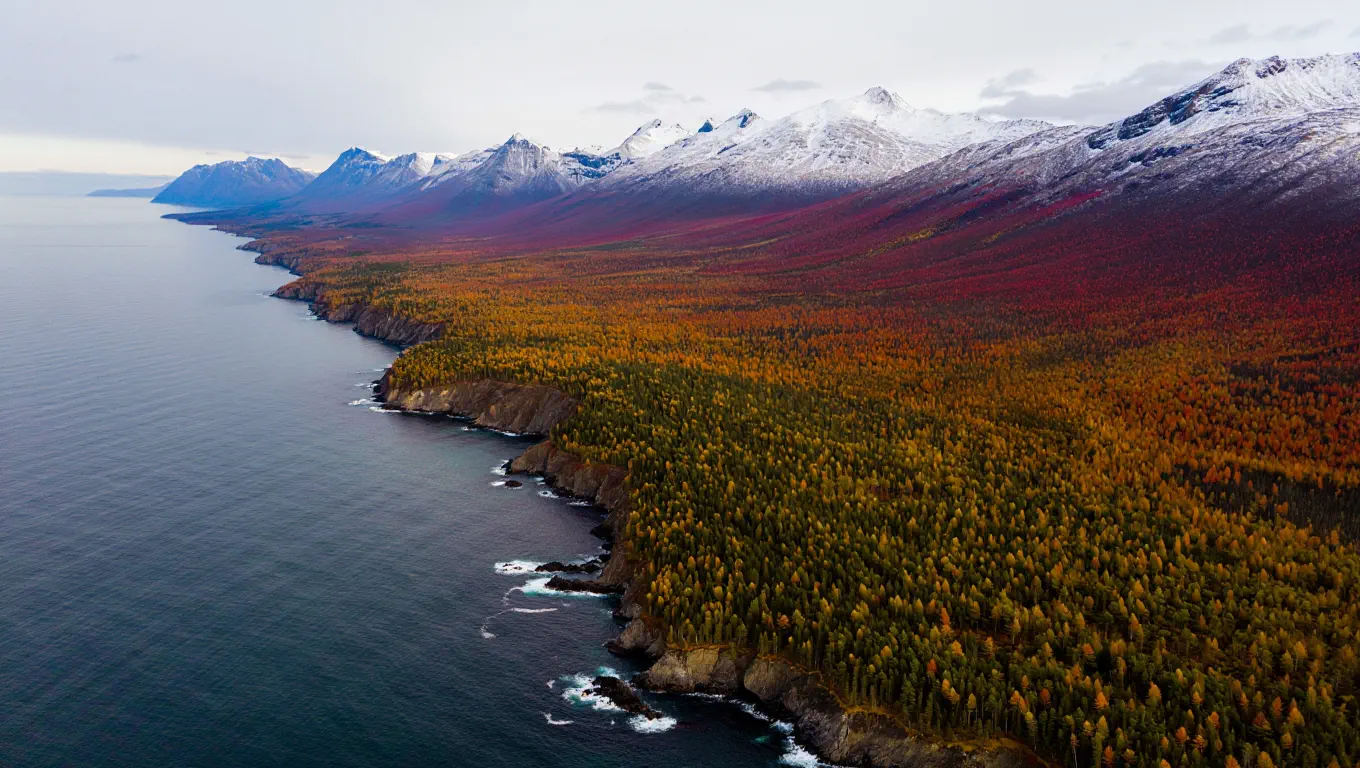
Spoken by the Nivkh people in northern Sakhalin, this language is considered an isolate with debated origins. Some Japanese researchers theorize it’s ancestral to Japanese, while Russian linguist Sergei Nikolaev links it to Algonquian and Wakashan languages of North America.
Its numeral system is extraordinary—counting requires knowing an object’s animacy, gender (if animate), or shape (if inanimate). There are 26 numeral classes but no ordinals. For example: “khy nik” (one axe), “tap n’an” (one butterfly), “lask n’an” (one medium-sized bull).
8. Chinese Language: Over 85,000 Characters

Ask which language is hardest, and many will say Chinese (Mandarin). Unlike European languages with alphabets, Chinese learners must memorize thousands of characters. The Zhonghua Zihai dictionary lists 85,568! A single character can have multiple, even contradictory meanings. Take “口” (kǒu)—it can mean “mouth,” “river estuary,” “port,” “blade edge,” “flavor,” “speech technique,” “entrance,” or “exit.” How to remember it all?
Another hurdle is phonetics. Mandarin uses four tones, and mispronouncing one can completely alter meaning. For example: “好酷” (hǎo kù) = “very cool,” “好苦” (hǎo kǔ) = “very bitter,” “嚎哭” (háo kū) = “to wail.”
9. Tuyuca Language: Over 50 Grammatical Genders
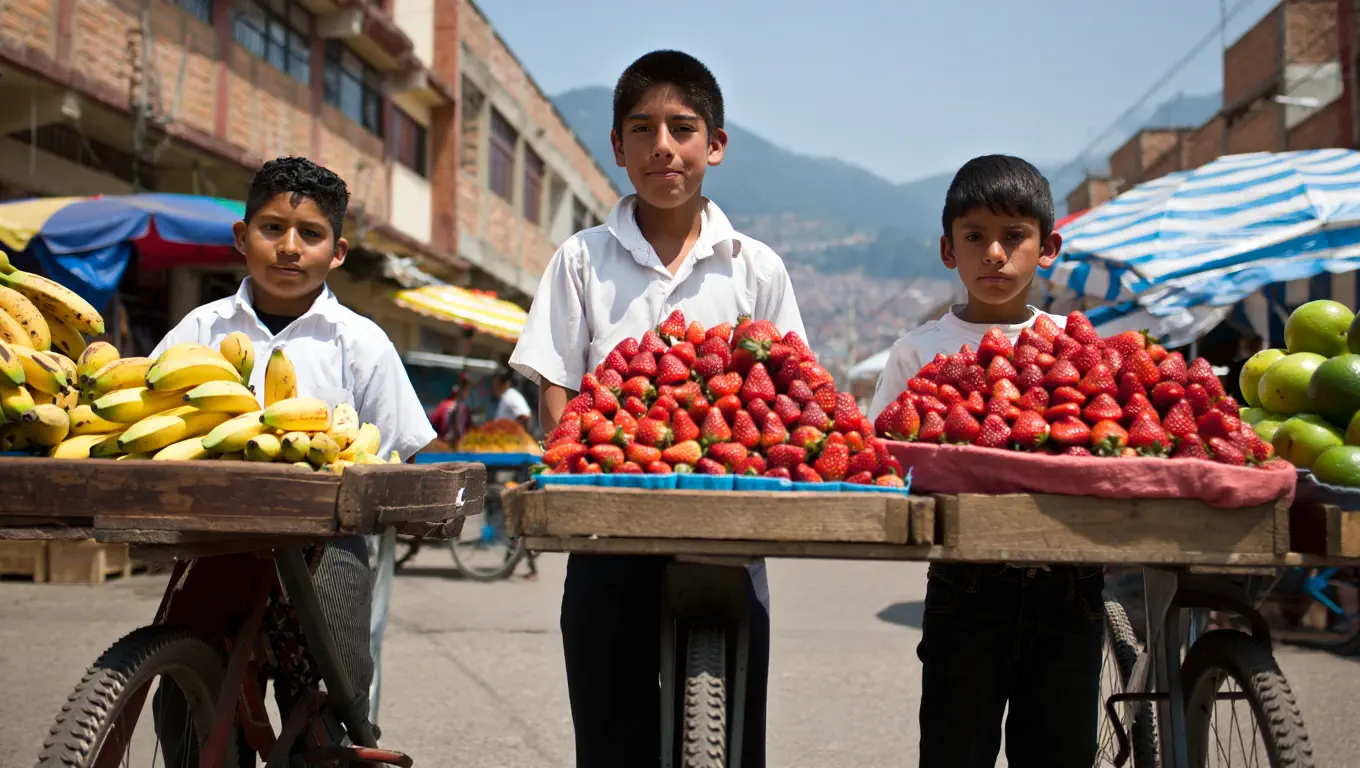
Another linguistic beast is Tuyuca, spoken by indigenous communities in Brazil and Colombia. It has between 50 and 140 grammatical genders (compared to three in most European languages). Even inanimate nouns have genders, like “loose tree bark.”
Verbs are equally complex. Tuyuca is an “evidential” language, meaning every statement requires a verb suffix indicating how the speaker knows the information. So if you say, “Two monkeys fought,” your listener will instantly know whether you saw it or are just guessing.
10. Abkhaz Language: Around 60 Consonants
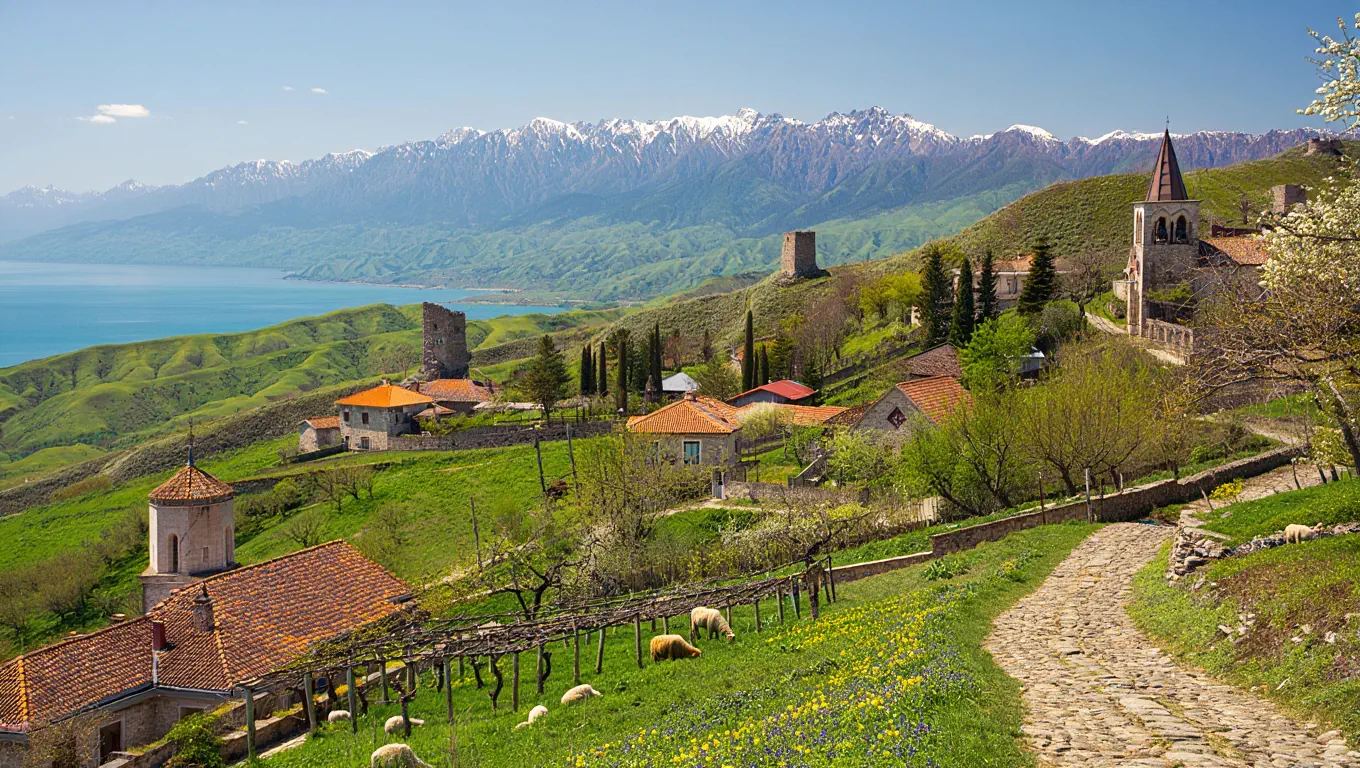
Abkhaz makes this list for good reason. Its alphabet has 64 letters. According to linguist Vyacheslav Chirikba, only two are vowels (“a” and “y”). Other “vowels” (e, o, i, u) are actually consonant-vowel blends. Literary Abkhaz has 58 consonants, rising to 60–67 in dialects. For example: “Good day” is “mshibzi’a,” and “Let’s get acquainted” is “shaay, khaibadyrp.”