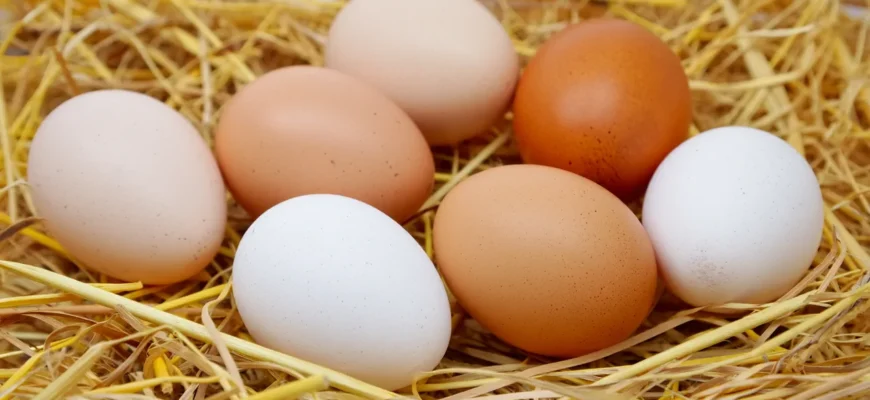
The older the hen, the larger the eggs she lays. Does this mean such eggs are better?
According to data from the International Egg Commission (IEC), residents of Iran and Finland, for example, prefer white-shelled eggs, while those in Austria, Czech Republic, and Hungary favor brown ones. But regardless of color, chicken eggs rank among the top 10 healthiest foods for humans. So, what determines shell color, and which eggs are more nutritious?
What Determines Eggshell Color
1. Breed
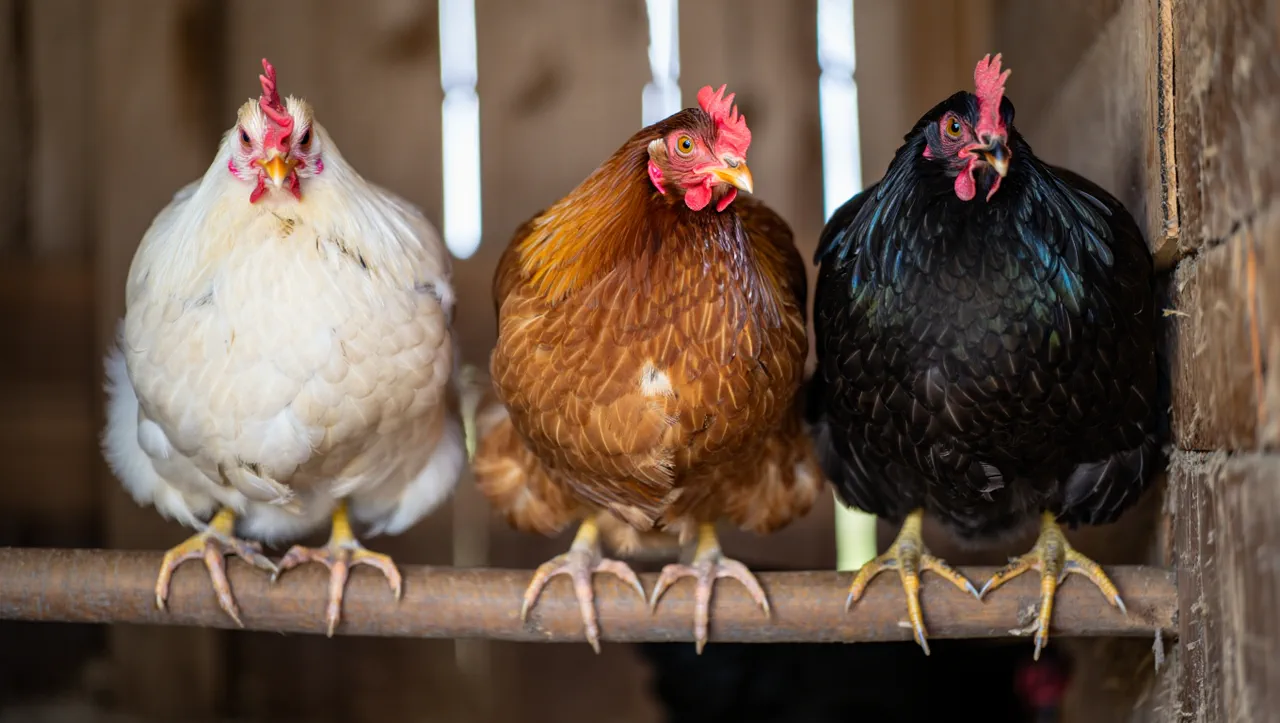
In stores, we’re used to seeing white and brown chicken eggs, but shell color is actually more diverse. Breeds like Marans and Welsummer lay reddish-brown eggs, while Araucana and Ameraucana chickens produce blue and olive-colored eggs. The Eggers Olive breed even lays turquoise and green eggs. Shell color is determined by the concentration and combination of two pigments—protoporphyrin and biliverdin—and does not affect nutritional value.
2. Hen’s Age
The shade of the shell depends on the hen’s age, individual characteristics, health, and living conditions.
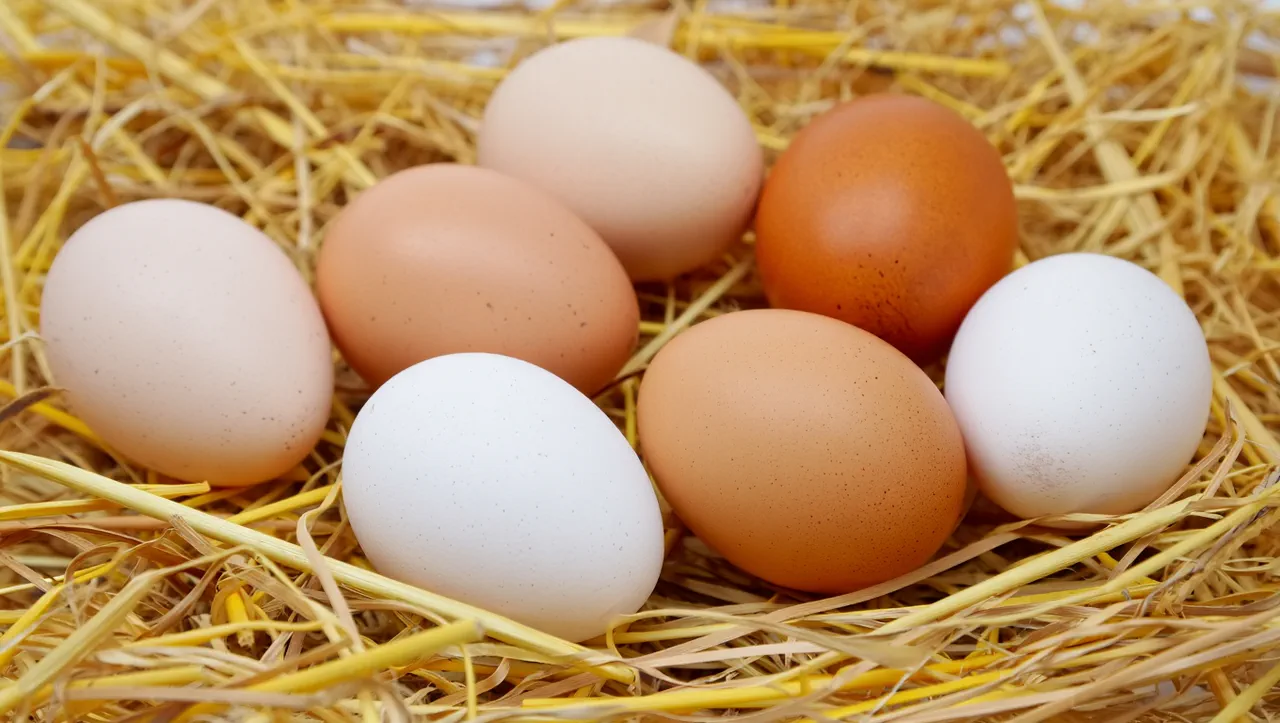
Older hens lay larger eggs, but the increase in size is mainly due to more egg white, while the yolk size remains the same. The shell mass stays nearly unchanged because the shell gland’s productivity doesn’t increase. As a result, these eggs are not only bigger but also lighter in color. Younger hens produce eggs with better taste and nutritional value.

3. Living Conditions
Besides age, shell color intensity is affected by hyperthermia (overheating) when air temperatures exceed +26–28 °C (+79–82 °F).
Other factors include technological stressors like sudden light flashes, loud noises, poor air quality, and irregular feeding or watering. Feed poisoning, calcium deficiency (from minerals like limestone, chalk, or shells), and viral diseases also play a role. Under these conditions, shells become lighter, thinner, and less nutritious, with watery egg whites.
How to Choose Eggs Properly
Shell color intensity is influenced by hyperthermia and the hen’s age, while the base color depends on the breed.
When buying eggs, prioritize freshness—they should be stored no longer than 25 days from collection at temperatures between 0 °C and +20 °C (32 °F to 68 °F).