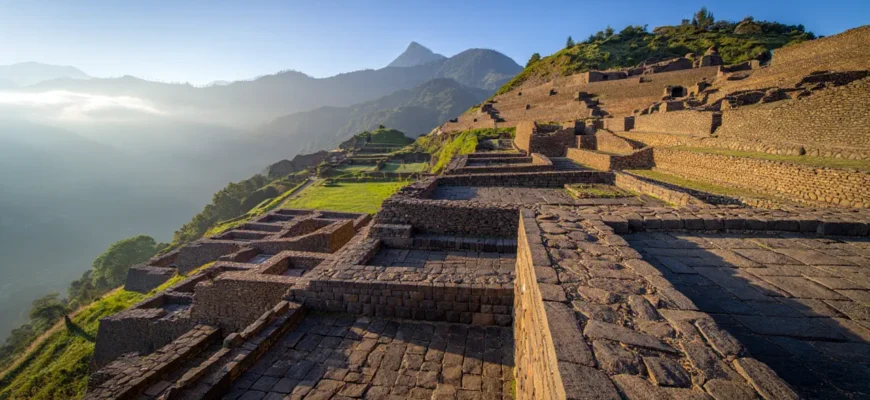
A discovery that changes our understanding of South American history.
An archaeological complex in the Upano Valley, where the Andean foothills meet the Amazon rainforest, constitutes a stunning settlement of more than 7,000 structures connected by a network of roads and embankments. In scale, this lost city surpasses the famous Machu Picchu. The settlement existed from 700 BC to 550 AD.
Scientists have recently determined that the mysterious civilization that thrived in the cloud forests of eastern Ecuador did not perish as a result of a catastrophic volcanic eruption, as was previously believed. New research points to a gradual decline of this culture, the reasons for which remain unexplained, writes IFL Science.
A previously discovered layer of ash had suggested the city’s sudden demise due to an eruption of the Sangay volcano—similar to that of the Roman Pompeii. However, the study of sediments from the nearby Lake Cormoran revealed no traces of catastrophic ash fall during the corresponding period.
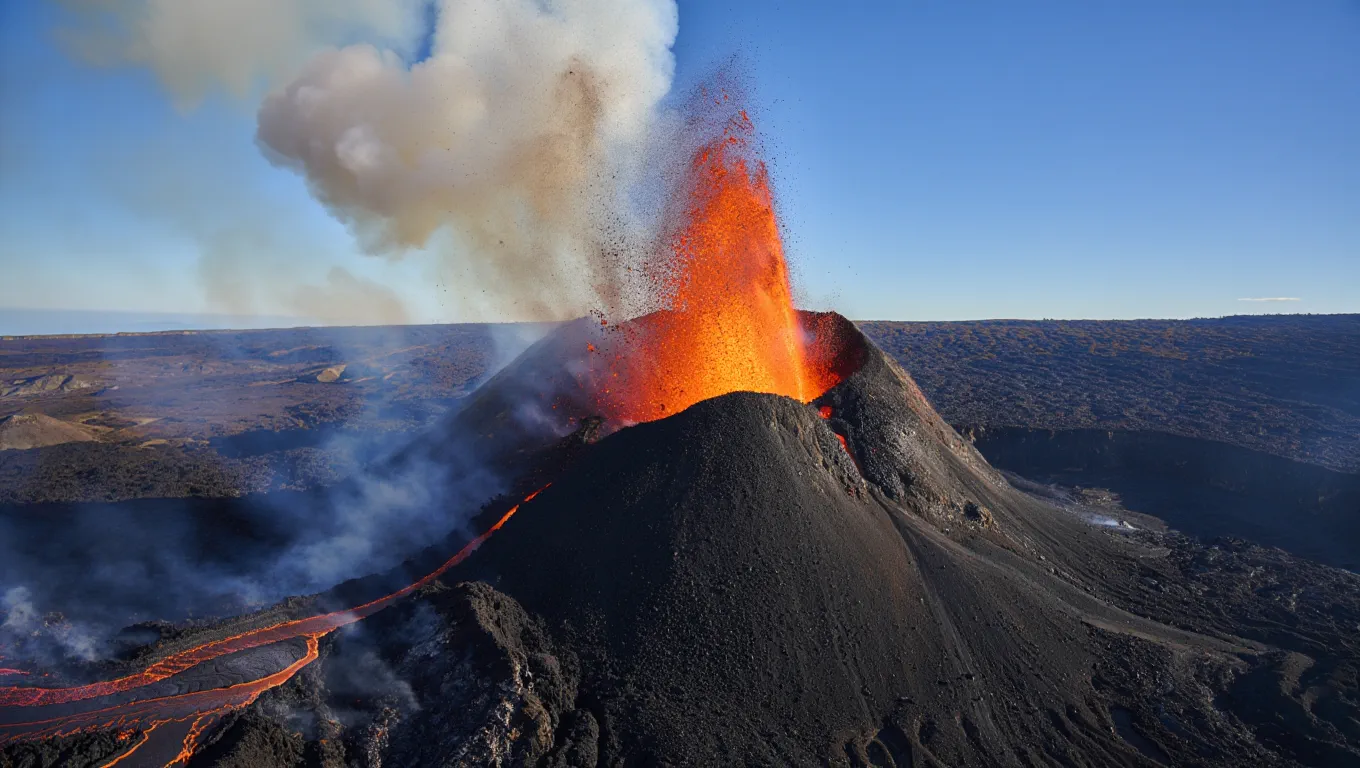
An analysis of fossil pollen from the lake sediments paints a different picture. Agricultural activity in the region gradually decreased over several centuries. The peak of the civilization’s development occurred between 500 BC and 200 AD, when the local inhabitants intensively cultivated corn and grew alder trees for construction needs and firewood.
Human impact spread to forests within a 10 km radius of the main archaeological complex. However, between 200 and 550 AD, a process of natural forest regeneration began, indicating a gradual reduction in human activity.
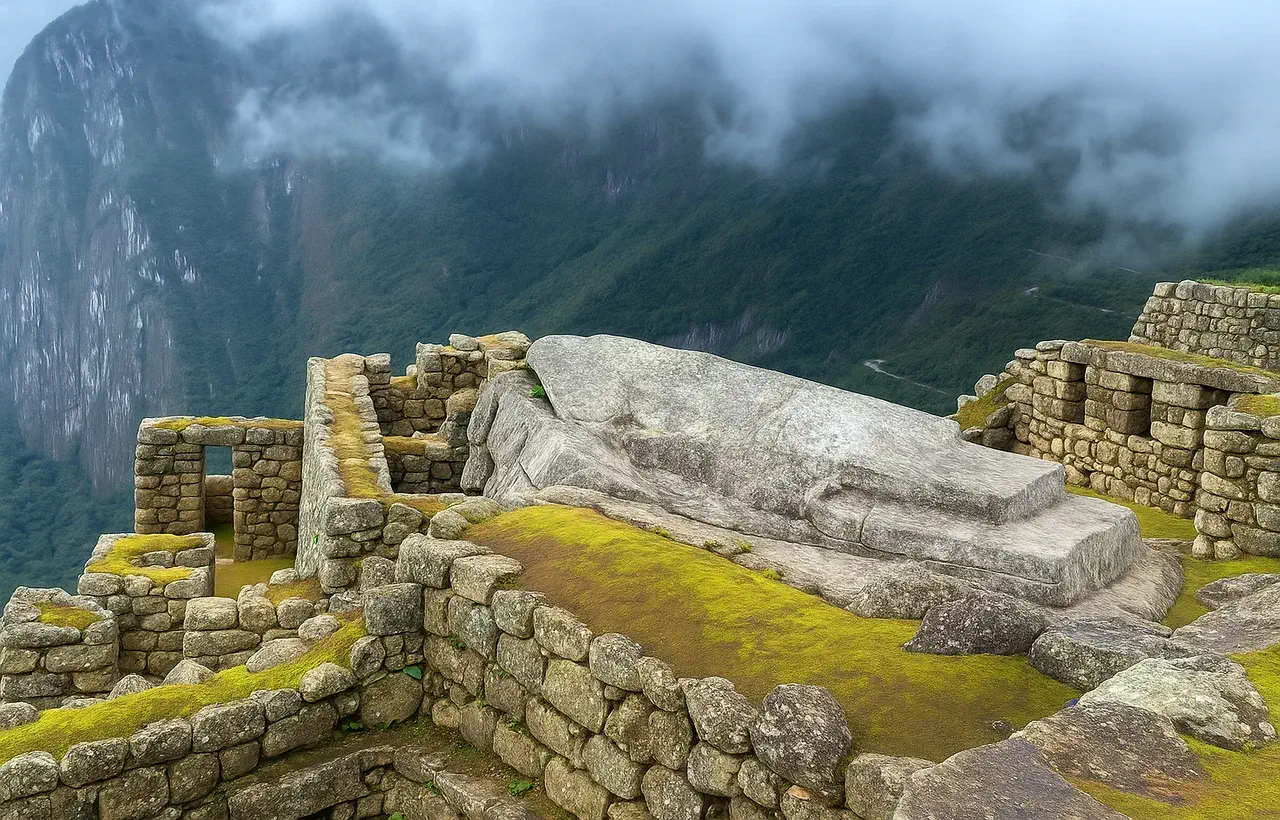
This discovery poses a fundamentally new question for researchers: Why did a civilization that thrived for 1,200 years and invested colossal effort into building its city gradually decline? Unraveling this mystery could shed light on the mechanisms behind the collapse of complex past societies in tropical ecosystems.