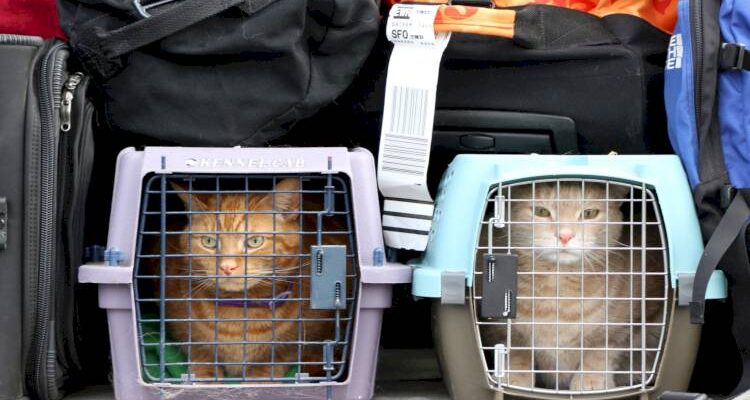
With the rapid development of the tourism industry, more and more people are choosing to travel with their pets. However, crossing the border with pets requires proper preparation and knowledge of the rules. In this article, you will find comprehensive information about the necessary requirements and procedures to follow when crossing the border with your four-legged friends. Let’s take a look at all the important aspects to make your travels with your pets unforgettable and safe.
Rules for importing animals: what you need to know
- Austria no vaccination certificate is required. When importing pets, a veterinary certificate is required.
- Argentina When importing pets, you must have a veterinary certificate of the established sample, a certificate of vaccination (including rabies), pay a fee of $ 10. US DOLLARS.
- Belgium requires an international veterinary passport of the established form when importing and exporting pets. It is also necessary to present a veterinary certificate with a note on rabies vaccination made not earlier than 30 days before crossing the border and not later than 12 months before crossing the border.
- Bulgaria When importing pets, an international veterinary passport of the established standard is required. You also need a certificate issued by the official veterinary representative of the country of exportation, which certifies that the animal is healthy (the certificate must be issued no later than 14 days before crossing the border). A rabies vaccination stamp made no earlier than 30 days before crossing the border and no later than 12 months before crossing the border (for cats – 6 months) is required.
- Great Britain The import of animals and birds without a pre-issued import license is prohibited. All animals imported to the UK are required to be quarantined for 6 months in specialized British institutions.
- Hungary when importing pets, you must present a veterinary certificate issued no earlier than 8 days before entering the country, indicating the following points: the animal has been examined, found to be healthy and there are no objections to its export; no cases of rabies have been registered within a zone of 20 km from the place from which the animal is being exported and within the three-month period prior to its export; the animal has been vaccinated against rabies and plague.
- Germany When importing pets, it is necessary to present an international veterinary passport of the established sample with a note on rabies vaccination made not earlier than 30 days before crossing the border and not later than 12 months before crossing the border. (The vaccination record must be accompanied by a translation into German).

- Greece People arriving in Greece with pets must present at customs an international veterinary passport of the established sample, and a certificate issued by the official veterinary representative of the country of exportation, which assures that the animal is healthy (The certificate must be issued no later than 10 days before crossing the border, i.e. the validity of this document is 10 days, during which you and your pet must cross the border) – The certificate must be written in English or French (translation). In addition, you must have a rabies vaccination made no earlier than 15 days before crossing the border and no later than 12 months before crossing the border.
- Denmark When importing pets (dogs and cats) over the age of 4 months, a veterinary certificate with a note on rabies vaccination must be presented. Animals under 4 months old are imported into the country only with a veterinary examination.
- Egypt When importing pets, you must present a veterinary certificate with a note on rabies vaccination. Import of puppies and kittens under the age of 3 months is prohibited.
- India When importing pets, it is necessary to present a veterinary certificate of veterinary control at the airport. In the absence of this certificate, the animal is sent to quarantine, which lasts from 2 to 7 days.
- Indonesia When importing pets, you must present an international veterinary certificate of the established standard.
- Iceland For each imported animal (dog or cat), you need to obtain a permit from the Ministry of Economy and National Economy of Iceland (phone: (00354) 560 9750, E-mail: postur@lan.stjr.is). the same details can be used to find out about the presence of quarantine in Iceland.
- Spain When importing pets, you must present a veterinary certificate. Animals are subject to veterinary examination. A certificate is not required for kittens and puppies under the age of 3 months.
- Italy When importing pets, you must present an international veterinary passport of the established form. It is also necessary to have a rabies vaccination made no earlier than 20 days before crossing the border and no later than 11 months before crossing the border. Dogs must have a leash and muzzle.
- Latvia, when importing pets, you must present a vaccination certificate, and in addition to rabies vaccination made no earlier than 7 days before crossing the border, and no later than 12 months before crossing the border, vaccinations against plague – Staupe, leptospirosis – Leptospirose, parvovirus – Parvovirose are required in Latvia. Cats must be vaccinated against rabies and panleukopenia. In addition, a certificate issued by the official veterinary representative of the country of exportation is required at the border, stating that the animal is healthy (the certificate must be issued no later than 10 days before crossing the border, i.e. the validity of this document is 10 days, during which you and your pet must cross the border). In Latvia, staying in hotels with pets is prohibited in most cases.
- Lithuania When importing pets, the same vaccinations are checked as when crossing the Latvian border, but in addition to them, a state veterinary certificate issued no later than 14 days before the trip and no earlier than six months beforehand will be required. In Lithuania, staying in hotels with animals is also prohibited in most cases.
Luxembourg When importing pets, you must present an international veterinary passport. It is also necessary to have a rabies vaccination made no earlier than 30 days before crossing the border and no later than 12 months before crossing the border. - Macedonia When importing pets, you must present an international veterinary passport of the established form or a certificate issued by the official veterinary representative of the country of exportation, which states that the animal is healthy. It is also necessary to have a rabies vaccination made no earlier than 15 days before crossing the border and no later than 6 months before crossing the border.
- Malta Import of cats and dogs to Malta is prohibited. Netherlands When importing pets, you must present an international veterinary passport. It is also necessary to have a rabies vaccination made no earlier than 30 days before crossing the border and no later than 12 months before crossing the border.
- Poland – when importing pets, you need a certificate issued (no later than 7 days before the trip) by the official veterinary representative of the country of exportation, which certifies that the animal is healthy. You will also need a passport with a stamp of rabies vaccination made no earlier than 30 days before crossing the border and no later than 12 months before crossing the border.
- Portugal requires an international veterinary passport of a standardized form when importing pets. You also need a certificate issued by the official veterinary representative of the country of exportation, which assures that the animal is healthy. A rabies vaccination stamp is required, made not earlier than 21 days before crossing the border and not later than 12 months before crossing the border (for cats – 6 months).
- Slovakia requires an international veterinary passport when importing pets. It is also necessary to have a rabies vaccination made not earlier than 30 days before crossing the border and not later than 12 months before crossing the border, and a certificate issued by the official veterinary representative of the country of exportation, which states that the animal is healthy (the certificate must be issued no later than 3 days before crossing the border, i.e. the validity of this document is 3 days, during which you and your pet must cross the border).
- Turkey, when importing pets, you must present an international veterinary passport of the established form or a certificate issued by the official veterinary representative of the country of exportation, which states that the animal is healthy. It is also necessary to have a rabies vaccination made no earlier than 14 days before crossing the border and no later than 6 months before crossing the border.
- Finland When importing pets, you must have a veterinary passport with vaccination certificates.
- France: when importing pets, a passport with a rabies vaccination stamp made no earlier than 30 days before crossing the border and no later than 12 months before crossing the border is required. You also need a vaccination mark against canine distemper (for dogs), infectious hepatitis and leptospirosis. You are allowed to bring a maximum of 3 animals with you, 1 of which must be between the ages of 3 and 6 months. Importation of animals under 3 months old to France is prohibited. Importation of dogs of the pit bull family (Staffordshire Terrier, American Staffordshire Terrier), as well as Mastiff and Tosa breeds is prohibited. Some dog breeds require a leash and muzzle (for example, Rottweilers).
- Croatia – when importing pets, a rabies vaccination stamp made no earlier than 15 days before crossing the border and no later than 6 months before crossing the border is required. An international veterinary passport of a standardized form is also required.
- Switzerland requires an international veterinary passport when importing pets. It is also necessary to have a rabies vaccination made no earlier than 30 days before crossing the border and no later than 12 months before crossing the border.

Conclusion
Crossing the border with animals requires some preparation and compliance with specific rules. In this article, we have familiarized ourselves with the main requirements and procedures related to the import of animals. It is important to keep in mind that each country may have its own rules, so you should familiarize yourself with the requirements of a particular state before traveling. By providing the necessary documentation, vaccinations, and care for the animal while crossing the border, we can make traveling with our pets safe and enjoyable for everyone.