Modest and charming Lithuania invites you to enjoy a quality Baltic coast vacation at attractive prices. In addition, the country boasts stunning nature and numerous landmarks. From health treatments in Druskininkai to leisure in Klaipėda—here’s everything you need to know about Lithuania: visas, travel, and prices.
- Lithuania (Republic of Lithuania)
- Regions and Resorts of Lithuania
- Climate and Weather
- Visa and Customs
- Tax Free
- Getting to Lithuania
- Transportation
- Car Rental
- Connectivity and Wi-Fi
- Hotels in Lithuania
- Currency
- Safety Tips
- Lithuania’s Beaches
- Health & Wellness in Lithuania
- Shopping
- Cuisine & Restaurants in Lithuania
- Sights & Attractions
Lithuania (Republic of Lithuania)
A vacation in Lithuania (Lith. Lietuvos Respublika, Lietuva, Eng. Lithuania) is a great choice for travelers who prefer a mild, non-sweltering climate, families with children, and especially seniors. The latter can improve their health at one of the country’s many wellness resorts—at significantly lower prices than in other European countries. Moreover, Lithuania won’t disappoint history and nature enthusiasts: the country offers plenty of historical landmarks and natural beauty. Other perks include no language barrier, familiar cuisine, and short flights. So, if you’re still wondering whether Lithuania is the right vacation spot—ditch the doubts and set off!
Regions and Resorts of Lithuania
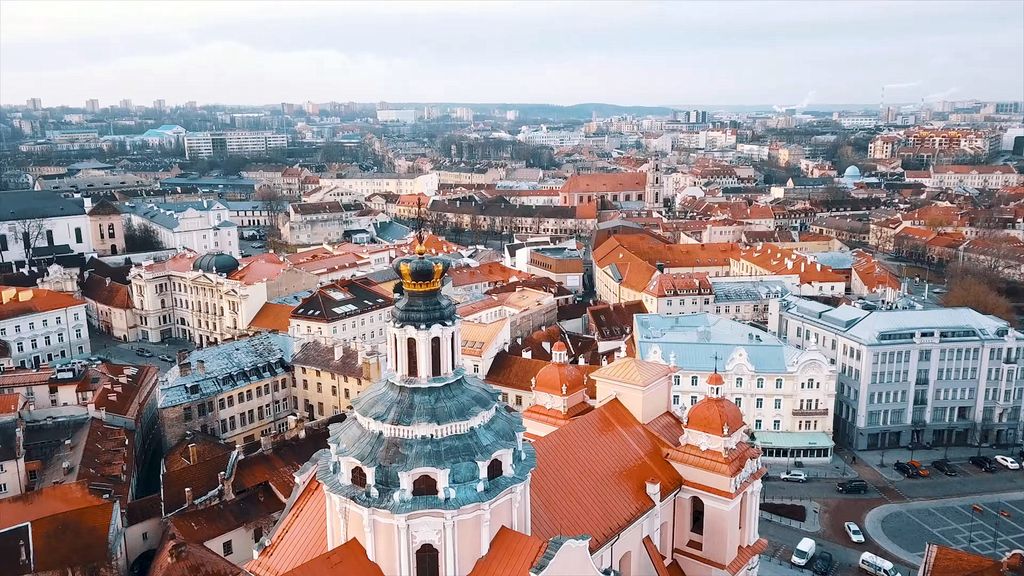
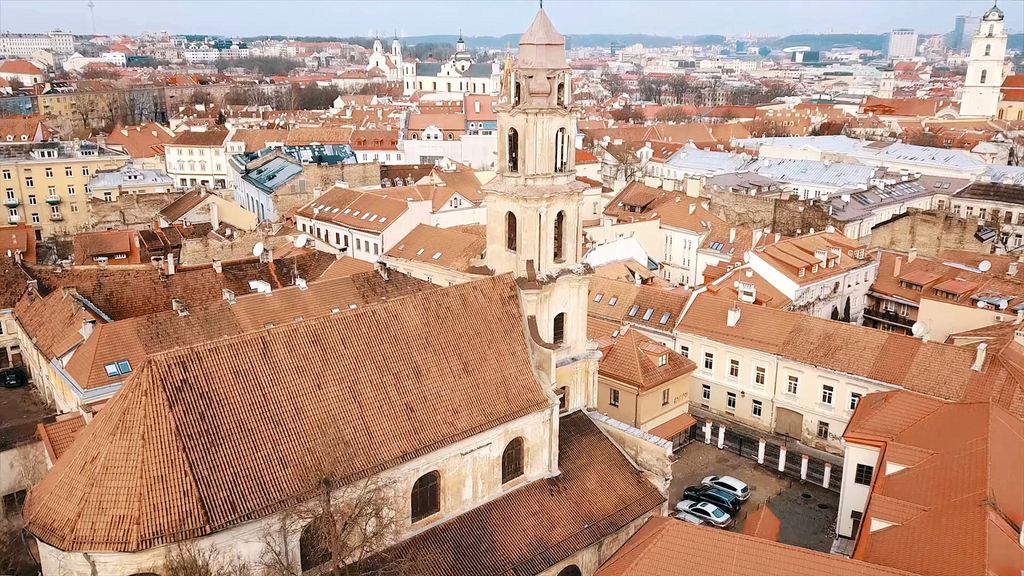
The capital, Vilnius, is both familiar and fascinating. Step away from the center, and you’ll find generic Soviet-era concrete blocks, but the heart of the city beats to a different rhythm: Baroque buildings with ornate facades, ancient castle walls, majestic churches, and cozy cafés at every turn. Vilnius Cathedral resembles ancient Greek temples, while the red-brick St. Anne’s Church points Gothic spires skyward. A funicular takes visitors to the ruins of the once-mighty Upper Castle on Castle Hill, while the bohemian Užupis district—a self-declared independent republic of artists—is best explored on foot, stopping at every café and gallery.
Lithuania has many resort towns perfect for beach and wellness vacations.
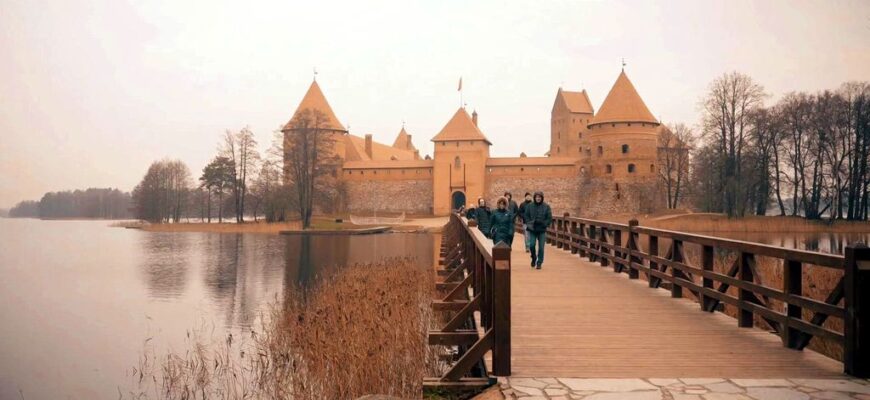
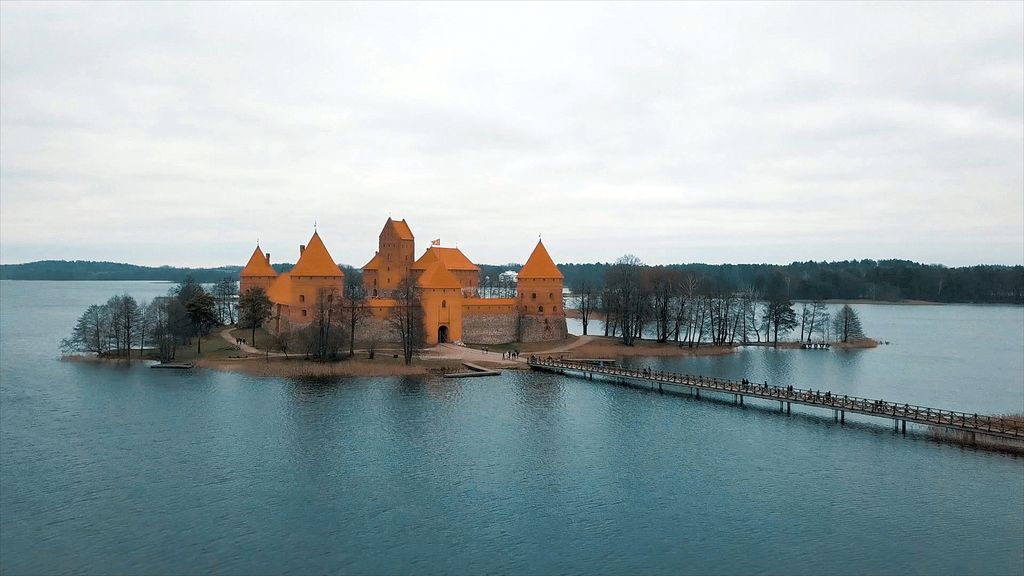
Another popular destination is Trakai, the ancient Lithuanian capital. This small but picturesque town, 28 km from Vilnius, is surrounded by Lake Galvė and dotted with islands, one of which hosts the only island castle in Eastern Europe.
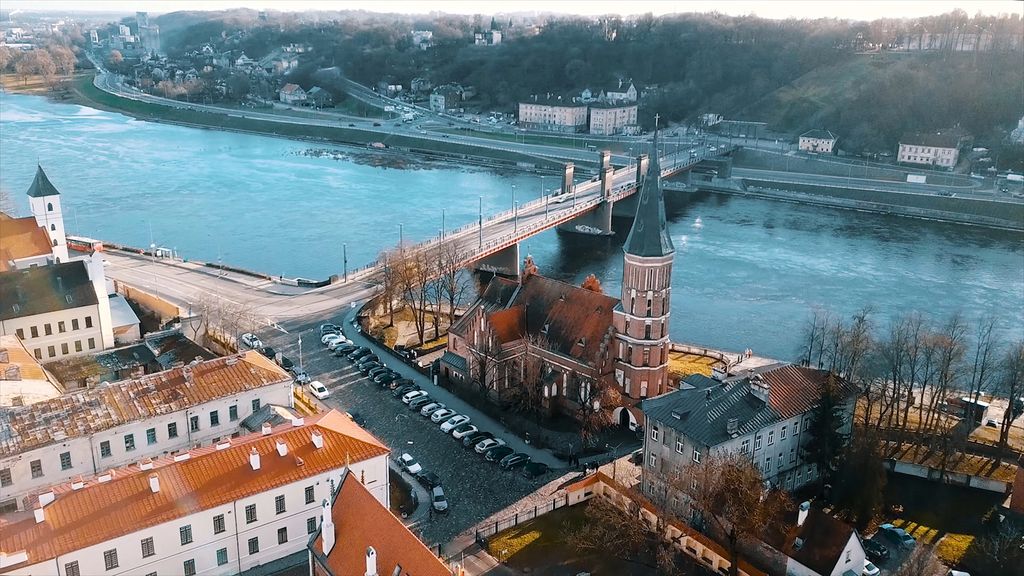
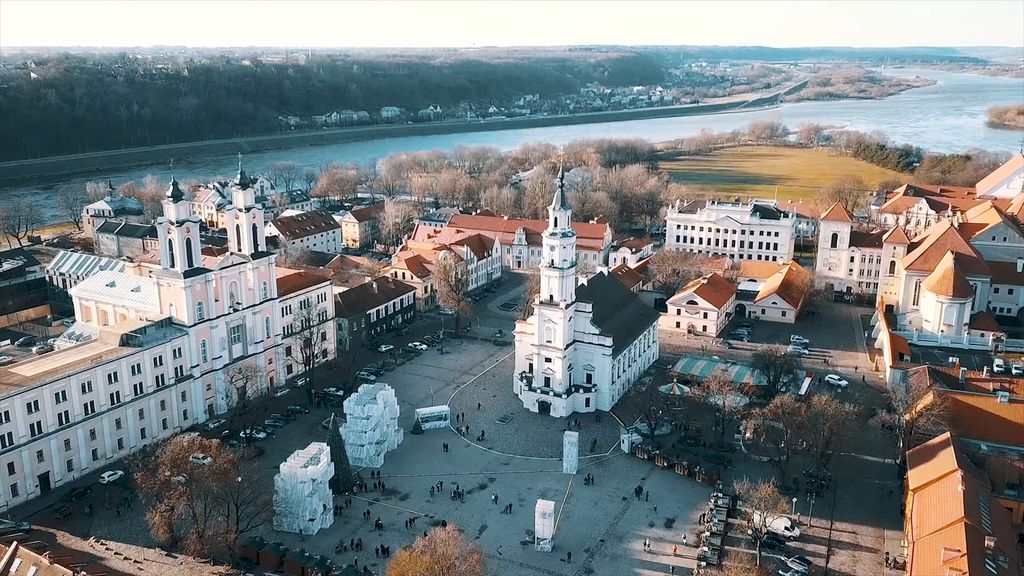
Kaunas is much larger than Trakai, second only to the capital. Founded in the 13th century, the city is ideal for sightseeing, featuring Gothic landmarks (Kaunas Castle), Renaissance architecture (the Masalskiai Palace), and Baroque masterpieces (Pažaislis Monastery). Kaunas also has beautiful churches, sculptures, decent beaches, and a large zoo.

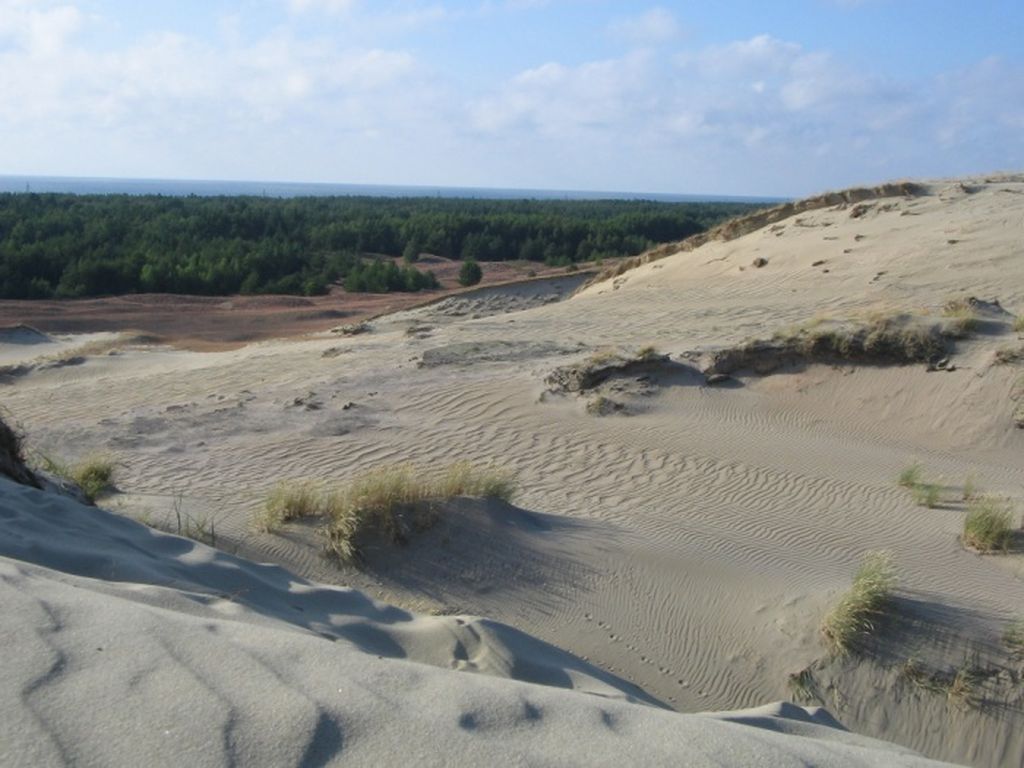
Lithuania’s most famous resort is Druskininkai, once a retreat for Soviet elites and now open to all for healing mud and mineral springs. Another wellness destination is Birštonas, surrounded by scenic nature. Palanga is a family-friendly resort with a laid-back vibe, while nature lovers should visit the Curonian Spit—a narrow, saber-shaped strip of land separating the lagoon from the Baltic Sea. On the Lithuanian side, Neringa welcomes visitors with photogenic dunes (some of Europe’s tallest) and modern infrastructure.
Climate and Weather
Lithuania has a transitional climate: continental in the east and center, milder maritime along the coast. Winters are mild, rarely dropping below -5 °C, with frequent thaws. Summers are comfortable, with July temperatures averaging +20-25 °C.
The weather is ideal for seniors and young travelers: the sun hides behind clouds, and a Baltic breeze keeps things pleasant. However, spring and autumn bring prolonged rains and chilly weather, making them less ideal for sightseeing.
Visa and Customs
Lithuania is part of the Schengen Zone, requiring a visa and travel insurance for entry.
There are no restrictions on foreign currency import/export, but amounts over $10,000 must be declared with proof of origin. Personal items and food (except meat/dairy products) are duty-free. Tobacco allowances: 200 cigarettes, 50 cigars, or 250g of tobacco. Alcohol limits: 1L of spirits (over 22%) or 2L of weaker drinks. Perfume (50mL) and toilet water (250mL) are also allowed. Medications must be for personal use. Drugs, weapons, and explosives are strictly prohibited. Prices are as of March 2019.
Exporting homemade alcohol, raw amber, unprocessed tobacco, and meat/dairy products is prohibited. Artwork requires permits, and antiques over 50 years old incur a 10-20% duty.
Tax Free
VAT refunds (up to 21%) are available for single purchases over €55 under the Tax Free system. Shops with the Global Blue logo issue refund receipts, which must be stamped at customs. Refunds are processed at border Medicinos Bankas branches or via mail.
Tax Free excludes fuel, alcohol, jewelry, tobacco, and licensed goods.
Getting to Lithuania
Lithuania has international airports in Vilnius, Kaunas, Palanga, and Šiauliai. Vilnius is the most convenient, with regular flights from Ukrainian cities.
Kaunas Airport mainly serves Ryanair flights from European cities.
A daily train runs from Kyiv to Vilnius (16 hours, tickets from ₴1340). Buses also operate from multiple Ukrainian cities.
Transportation
Trains are comfortable and cover the country efficiently. A Vilnius-Kaunas ticket costs €4-7; Vilnius-Klaipėda, €13-25. Buses (e.g., Kautra) are equally popular, with tickets from Vilnius to Kaunas at €5-8.
Klaipėda is the only seaport, with ferries to Germany, Sweden, and beyond. A ferry to the Curonian Spit costs €8-10.

Public Transport Within Cities
Buses and minibuses dominate, with trolleys and express trains (marked “G”) in Vilnius. Fares start at €1 (cash) or €1.50 (reloadable card). Taxis cost €0.60-1/km + €0.70 starting fee. Bike rentals (e.g., Cyclocity) are €2.90 for 3 days.
A 24-hour pass costs €5; 3-day, €8.

Car Rental
Renting a car (from €25/day) is ideal for exploring. Roads are well-maintained, but rural lanes may lack markings. Parking costs €0.30-1.80/hour.
Some rental companies restrict cross-border travel—read contracts carefully.
Connectivity and Wi-Fi
Mobile operators include Tele2 and Bite GSM. Prepaid SIMs are sold at supermarkets. Free Wi-Fi is widespread in public areas.
Hotels in Lithuania
Accommodation ranges from hostels (€18/night) to luxury hotels (€116+). Spa resorts like Druskininkai start at €92/day. Private apartments are a budget-friendly option.
Star ratings are informal—reviews matter more.
Currency
The euro (EUR) is used. Exchange offices offer better rates than banks. Credit cards are widely accepted.
Safety Tips
Crime is low, but stay vigilant in crowds. Public drinking and smoking outside designated areas incur fines (up to €100).
Fines: €11-29 for fare-dodging; €25+ for jaywalking; €120-900 for speeding or DUI.
Lithuania’s Beaches
A beach vacation in Lithuania is a worthy alternative to relaxation in the usual tropics: the sun on the Baltic coast is softer and gentler, and prices are much lower. The only thing that might unsettle vacationers is the cool sea—the water here rarely warms above +20°C.
Popular among tourists, Klaipėda boasts two large beaches: “Giruliai” and “Melnragė.” The first is more secluded, while the second is divided into two sections by a special rest zone for people with disabilities. Klaipėda’s coastline is clean, with changing cabins, benches, drinking fountains, and sports facilities.
You can take a ferry to the “Smiltynė” beach—even more well-kept and tidy.
Families with children often head to Palanga, where a relaxed, “cottage-like” atmosphere prevails. The beaches, surrounded by pine forests, are impeccably clean, spacious, with a gentle slope into the water and soft white sand. Water activities include surfing and jet skiing, while on land, there are volleyball courts, tennis courts, and golf courses. Amenities include sun loungers, shade canopies, and changing cabins.
Most Lithuanian beaches are free, but entering the Curonian Spit costs €5 per person.
The beaches of the Curonian Spit National Park are also renowned for their beauty and upkeep. The main resort here is the town of Neringa, which consists of four settlements: Juodkrantė, Nida, Preila, and Pervalka. The first two are the most popular—neat single-story houses, enormous dunes, and forested landscapes create the perfect setting for relaxation. Neringa’s beaches, marked with the Blue Flag for safety and cleanliness, are white, wide, and equipped with showers, changing rooms, and toilets.
Health & Wellness in Lithuania
Lithuania offers all the opportunities for a health-focused retreat: generous gifts of nature—pine forests, seashores, and healing mineral springs—have been successfully harnessed into recreational zones with modern sanatoriums and balneological centers. The country’s oldest resort, Druskininkai, flourished during the Soviet era and has now brilliantly revived. People with metabolic disorders, musculoskeletal issues, cardiovascular diseases, and nervous system conditions come here for treatment. Doctors offer mineral and herbal baths, massages, mud applications, galvanotherapy, and other effective procedures.
Another popular medical tourism destination is Birštonas, a picturesque town on the Nemunas River, surrounded by protected coniferous forests. Its main treasures are 13 mineral wells and therapeutic peat mud. Birštonas’ sanatoriums cater to patients with oncological diagnoses, skin diseases, joint problems, and respiratory or nervous system conditions. Spa treatments, mineral-rich water therapy, mud therapy, and other methods ensure a powerful restorative effect.
Birštonas’ unique feature is stress therapy courses—surrounded by stunning nature and under the supervision of experienced doctors, it’s easy to restore mental harmony in just a few days.
Palanga’s sanatoriums and spas specialize in thermal and mineral baths. Atherosclerosis, gynecological diseases, and nervous disorders are the main conditions treated here. Meanwhile, Neringa itself is a natural health resort—healing air, mild climate, breathtaking landscapes, and tranquility serve as pure, natural antidepressants.
Shopping
Shopping in Lithuania is a pleasure: the product range is diverse, and prices are lower than in Ukraine. This is especially true for clothing from popular European brands—boutiques like Mango, Esprit, Promod, and Bershka are concentrated in large shopping malls in Vilnius, Kaunas, and other cities. The “Akropolis” shopping mall chain is particularly popular, offering dozens of stores, an ice rink, cinemas, and cafés. In Kaunas, the “Mega” mall stands out with its 11-meter aquarium housing sharks and tropical fish. The largest shopping mall in Šiauliai is “Saulės Miestas,” while Klaipėda’s “Big” mall offers dozens of stores and entertainment options for every taste.
Lithuanian sales are a shopaholic’s paradise. In June and December, prices drop by up to 80%, but hurry—the best items sell out fast.
The most coveted Lithuanian souvenir is, of course, amber—raw amber can’t be taken across the border, but jewelry and souvenirs are available in abundance. Wooden and ceramic crafts, high-quality linen, and knitwear also make great gifts. For foodies, excellent choices include cheese, traditional caraway bread, and famous local balms and liqueurs.
Most supermarkets are open from 8:00 AM to 11:00 PM, with some 24-hour stores in the capital. Grocery stores typically operate from 8:00–9:00 AM to 7:00–8:00 PM daily. Shopping malls usually close at 10:00 PM. Markets start trading as early as 5:00–6:00 AM but empty out by midday.
Cuisine & Restaurants in Lithuania
In Lithuania, be sure to try potato-based dishes like “žemaičių” (potato pancakes with meat), “vėdarai” (pork intestine stuffed with grated potato and bacon), and “plokštainis” (potato pudding). For beer snacks, smoked pig ears, tails, and eel are unbeatable. Don’t miss “cepelinai”—small but incredibly tasty dumplings with various fillings. Each region prepares this national dish differently—some stuff them with meat and smoked bacon, others with fish, and some serve them with mushroom garnish. Pro tip: opt for small, family-run eateries over large tourist restaurants for the most authentic experience.
The tastiest and most popular beer in the country is “Švyturys Baltijos Extra.” Lithuanians also take pride in their strong honey liqueurs, such as “Suktinis” and “Medovus.”
In restaurants, service charges are usually included in the bill. Otherwise, leaving a 5–10% tip is customary. Tipping is also common for taxi drivers and hotel staff.
Most Lithuanian restaurants serve familiar European cuisine—salads, pizza, and pasta are standard menu items. Larger cities offer international dining options, including German, French, American, Japanese, Indian, and even Brazilian cuisine. Cozy family-run restaurants serving traditional Lithuanian fare are also worth seeking out. Brewpubs with a laid-back atmosphere and excellent unfiltered dark and light beers are particularly popular. For a quick bite, food courts in large malls are a solid option. Many eateries offer special lunch deals and kids’ menus. The average café meal costs €5–15, while dinner at an upscale restaurant starts at €28 per person.
Sights & Attractions
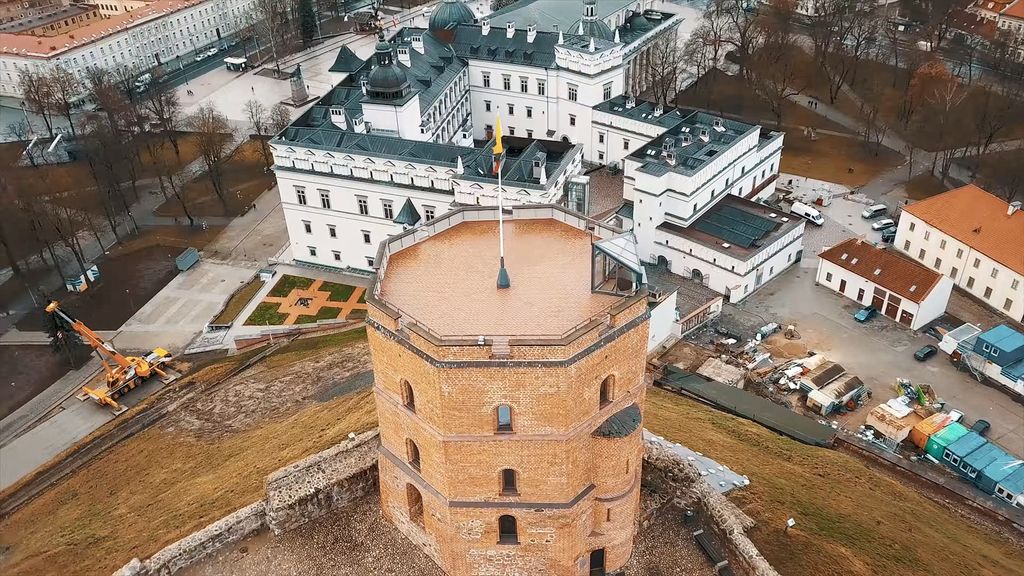
Lithuania, with its long and eventful history, is rich in cultural landmarks. First and foremost, visit the capital, Vilnius. At its heart stands the Cathedral—a monumental structure inspired by ancient Greek temples. Gothic and Baroque churches like St. Anne’s, St. Peter and Paul’s, and the Church of the Holy Spirit are equally captivating. On Castle Hill, Gediminas Tower—one of Lithuania’s most iconic architectural symbols—offers panoramic views via a funicular ride. History enthusiasts should visit the National Museum or the Amber Museum, showcasing the “gold” of the Baltic coast.
Next on the list are Kaunas and Trakai. Kaunas, Lithuania’s second-largest city, was founded in 1280 at the confluence of the Nemunas and Neris rivers. Gothic landmarks include Kaunas Castle and Perkūnas House, while the Masalskiai Palace reflects Renaissance style. Baroque masterpieces include the Pažaislis Monastery, Town Hall, and Jesuit Church.
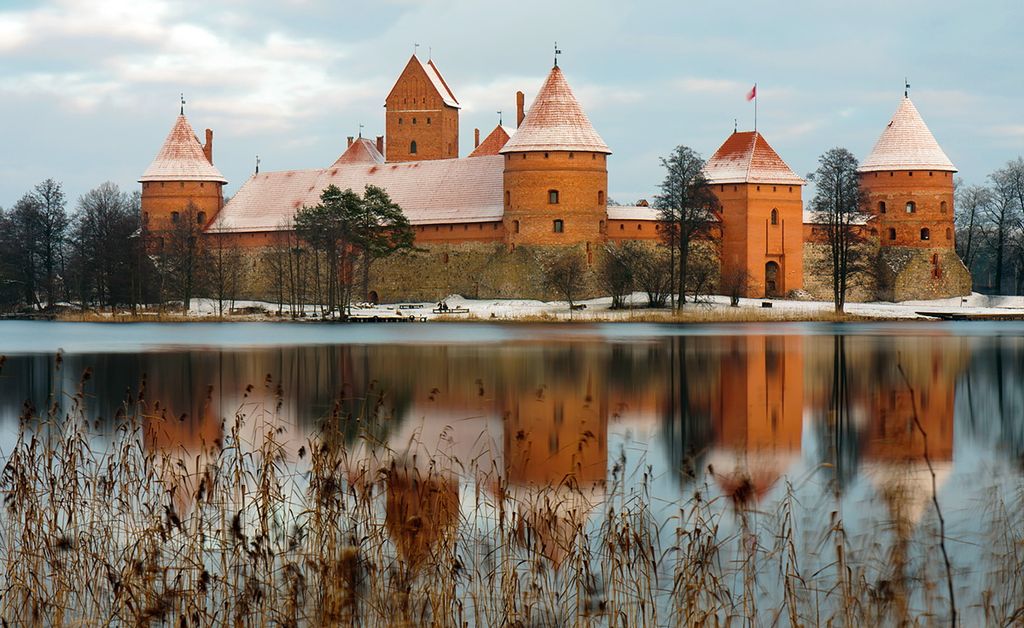
Trakai—Lithuania’s ancient capital—was once the residence of the Grand Duchy’s rulers. Trakai Island Castle, built as a defensive fortress and later used as a prison, was abandoned in the 17th century. Today, it’s one of Lithuania’s most visited historical sites, housing a museum and hosting festivals. Trakai also features a Dominican monastery, the Church of the Visitation, Karaim ethnographic exhibits, and the Kenesa (Karaim place of worship).
Užupis (literally “Beyond the River”)—home to artists, musicians, and poets—is called “Vilnius’ Montmartre.” Its residents once jokingly declared independence, adding to its bohemian charm.
Kernavė, Lithuania’s oldest known capital and a UNESCO World Heritage Site since 2004, offers insights into Baltic prehistory. Its historical-archaeological museum spans eras from 10,000 BCE to the early Middle Ages. In July, “Living History Days” bring medieval craftsmen, warriors, and traditional cuisine to life.
Lithuania has five national parks: Aukštaitija, Dzūkija, Žemaitija (each representing distinct ethnic regions), Curonian Spit, and Trakai Historical National Park—plus 30 regional parks.
Another reason to visit Lithuania? Its endless festivals and celebrations.