The planet is preparing for an anomalous season.
Meteorologists have calculated what weather to expect on the planet over the next three months. According to the new seasonal forecast from the World Meteorological Organization, the period from November 2025 to January 2026 will continue the trend of abnormally high temperatures on land in the Northern Hemisphere. At the same time, conditions close to the La Niña phase persist in the tropical Pacific Ocean, which will have a noticeable impact on precipitation distribution worldwide.
An increased probability of above-normal temperatures is forecast for most of the Northern Hemisphere, including the Arctic, North America, and Central Asia. In the Southern Hemisphere, anomalous warmth is expected in New Zealand, southern regions of South America, equatorial Africa, and the Maritime Continent.
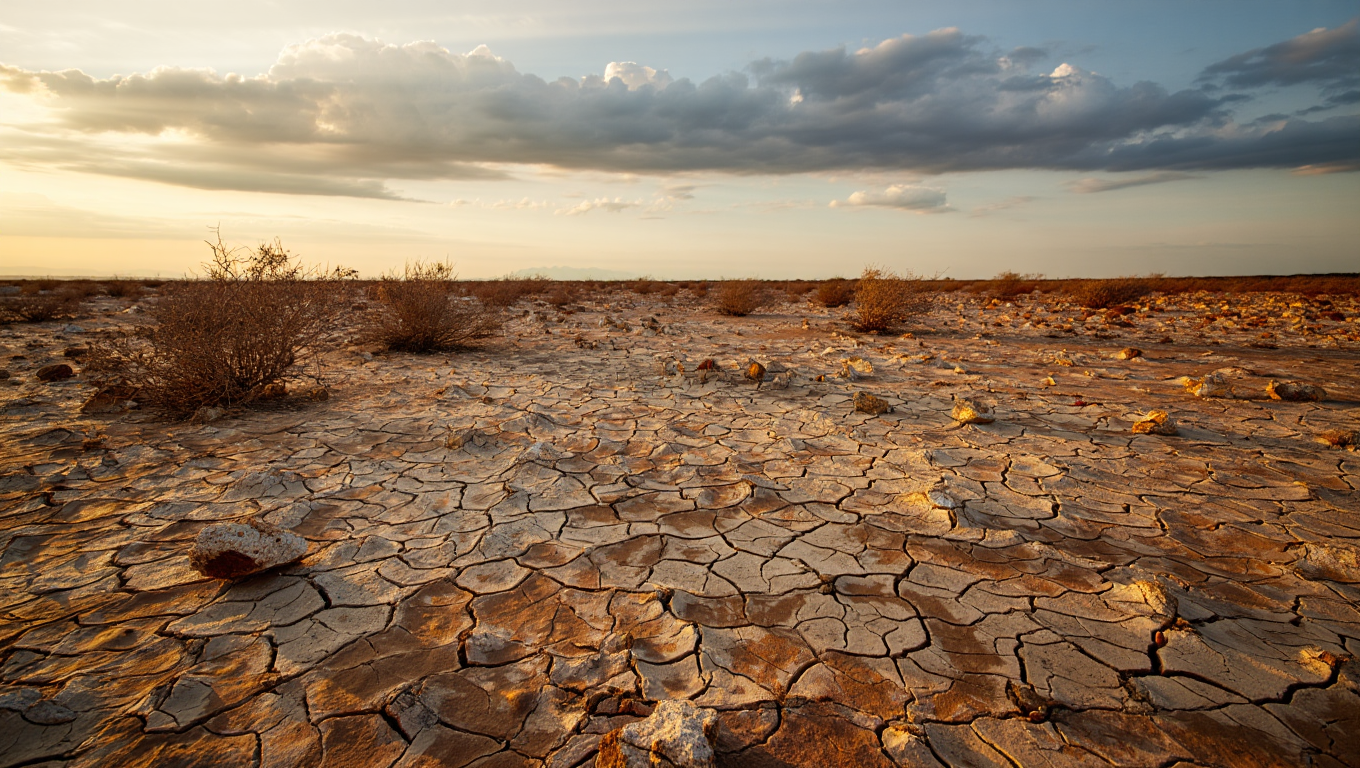
A deficit of precipitation is expected in the central and eastern equatorial Pacific Ocean, as well as in Southern Europe, Central Asia, the Horn of Africa, and northeastern Brazil. Simultaneously, increased moisture is forecast for Southeast Asia, the Philippines, eastern Australia, northern North America, and the southern Indian subcontinent.
The data is based on analysis of global sea surface temperature anomalies, which in recent months have shown significant warming in extratropical regions of the Pacific Ocean while maintaining characteristics typical of a weak La Niña phenomenon.
El Niño and La Niña are components of the El Niño-Southern Oscillation cycle, which occurs as a result of ocean temperature fluctuations in the equatorial Pacific Ocean. Under normal conditions, trade winds blowing westward along the equator carry warm waters from South America to Asia, but El Niño and La Niña disrupt this pattern. These phenomena shift the jet stream further south or north respectively.
These phenomena change weather conditions around the world. El Niño typically brings hotter and drier weather to the northwestern United States and extreme precipitation to the southern part of the country. La Niña causes droughts in Africa and southern North America, makes winters in the northwest more severe, and also contributes to stronger monsoons in South Asia.