Does It Really Predict Wind? And Can the Color of the Sun Be Linked to Future Weather?
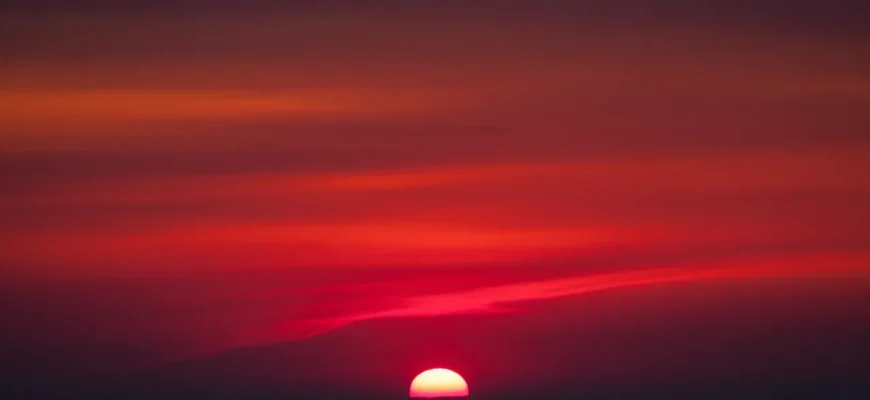
According to an old folk saying, a red sunset foretells a windy day. In reality, this is only partially true.
The Sun shines with all seven colors of the spectrum simultaneously, but before reaching Earth, its rays must pass through the protective gas layer of the atmosphere, which inevitably distorts our perception. This is because all light consists of electromagnetic waves, and the color we perceive depends on their wavelength. The shortest waves are in the blue spectrum, while the longest are in the red.
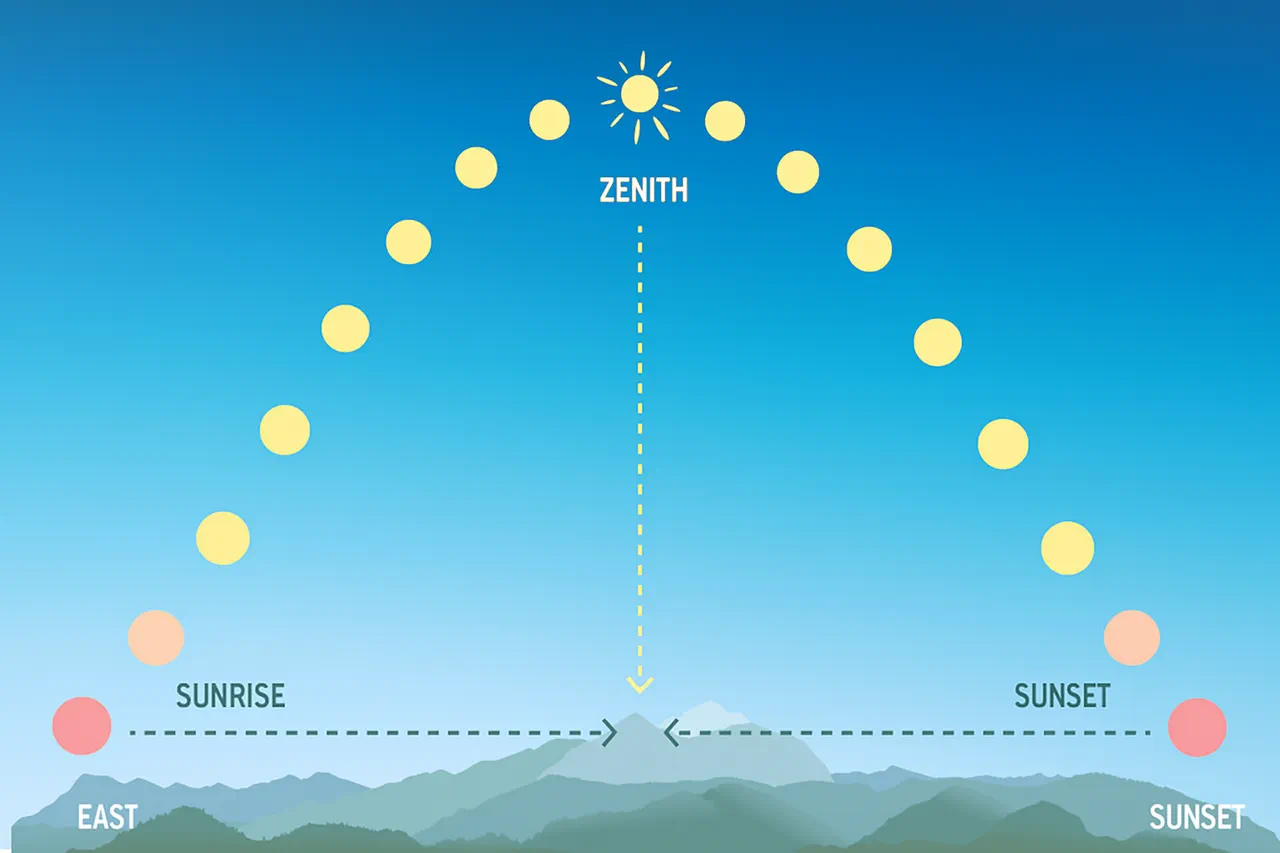
Throughout the day, the Sun occupies different positions relative to the observer’s location on Earth. Consequently, the thickness of the atmosphere that sunlight must pass through also varies. At noon, the rays take the shortest path, falling vertically and scattering minimally. This is why the Sun appears white when directly overhead.
In the evening, sunlight must travel through a thicker layer of the atmosphere because it strikes the Earth’s surface at an angle. Upon entering the atmosphere, the blue part of the spectrum scatters first, followed by other colors, leaving only the long red wavelengths—the most resistant to interference—to reach our eyes. (Incidentally, this is the same principle used in selecting colors for traffic lights.)
However, atmospheric thickness isn’t the only factor affecting sunlight scattering. The presence of invisible dust and water vapor particles in the air plays a significant role. These particles typically accumulate in high-pressure conditions associated with dry weather. An emerging wind mixes them, creating zones with higher particle density than in calm conditions.
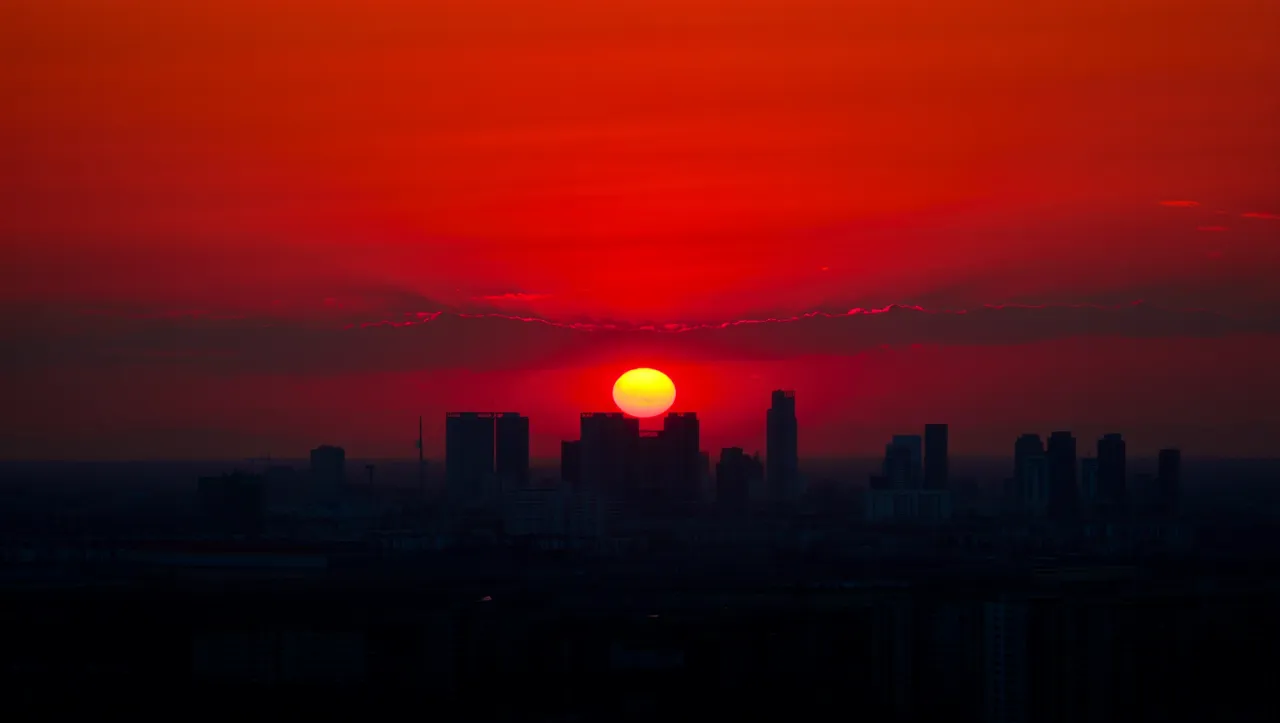
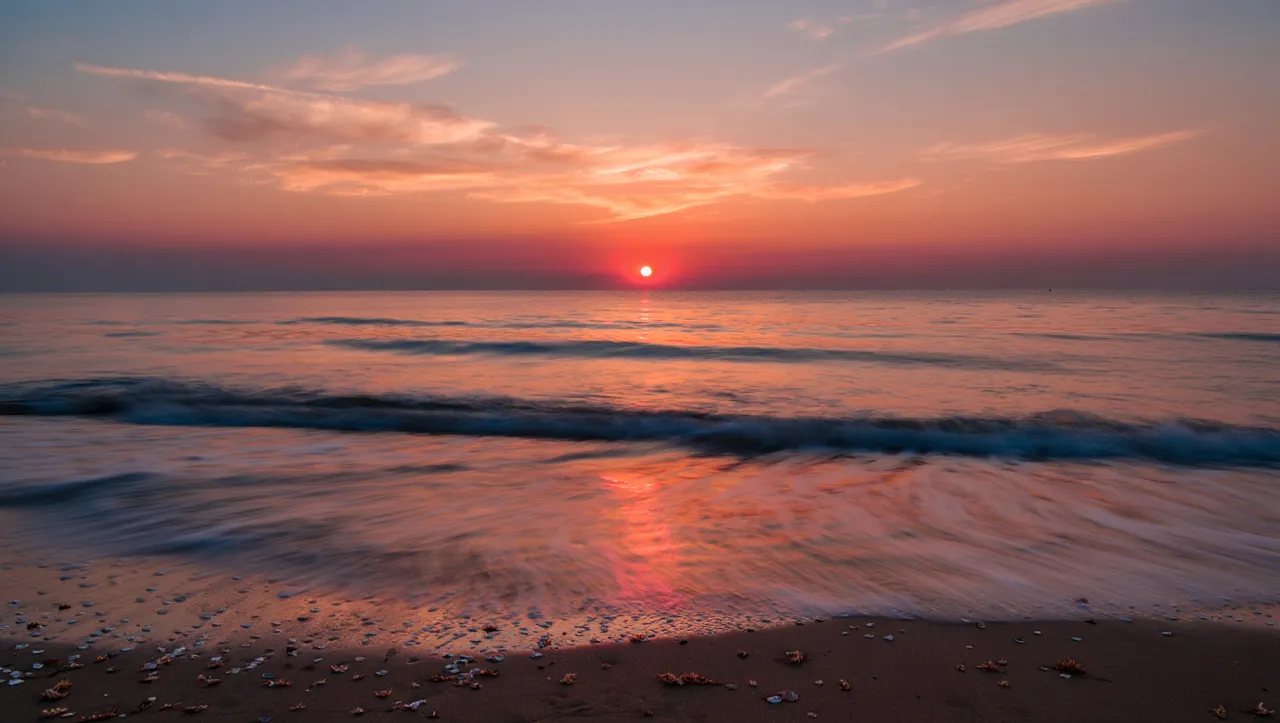
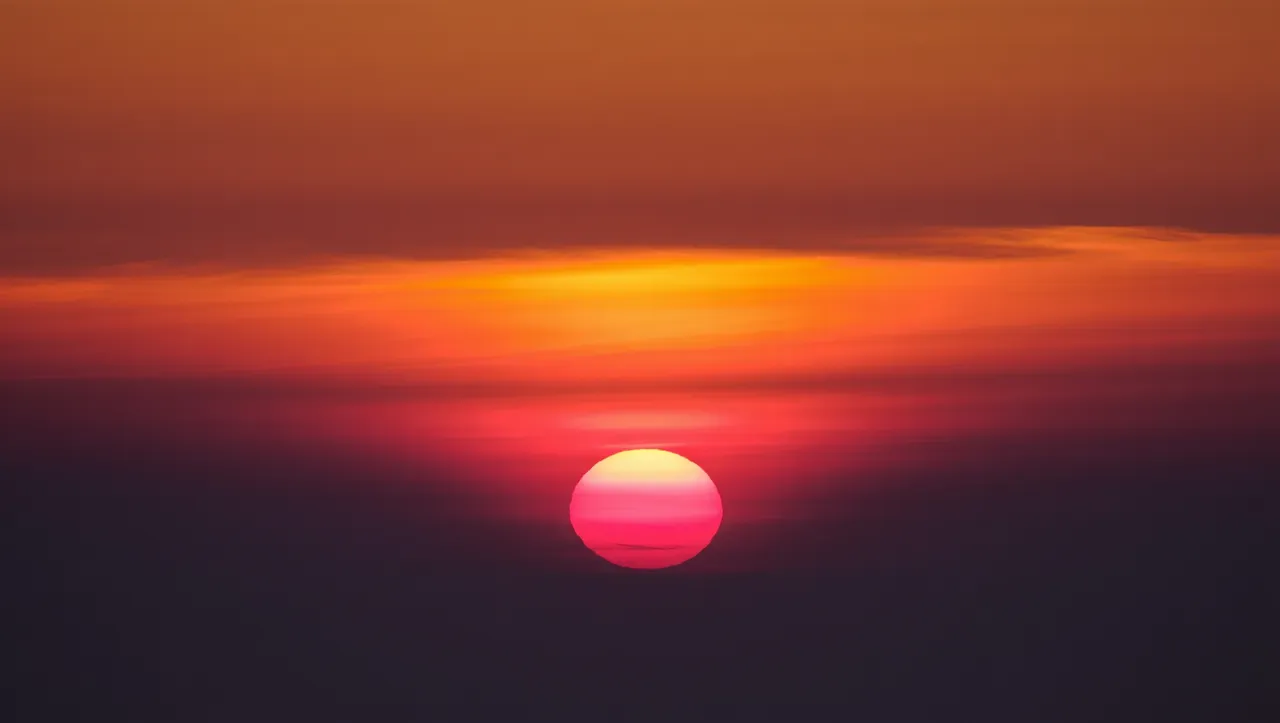
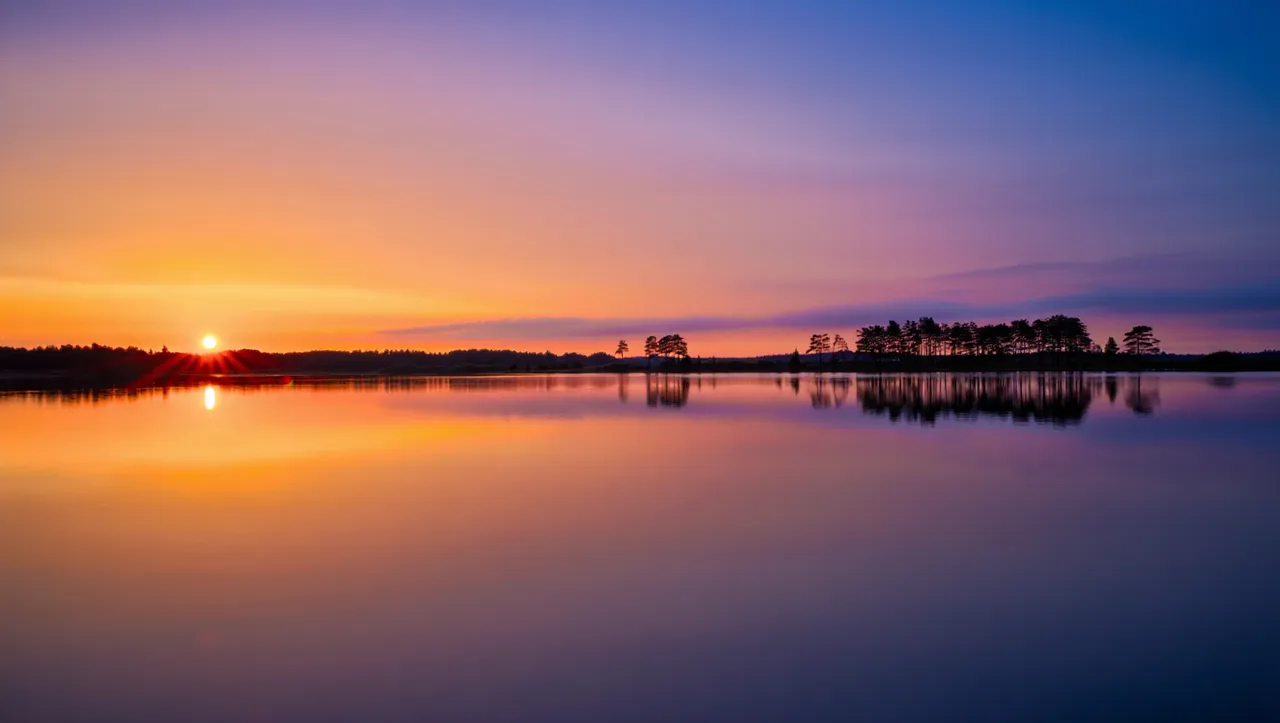
When the Sun sets below the horizon, its rays illuminate this area, creating a glowing effect. If dust concentration is exceptionally high, even yellow and orange wavelengths struggle to reach the human eye, resulting in a vivid crimson sunset.
This means that a red setting sun primarily signals dry weather ahead. The intensity of its hue, however, suggests approaching wind. The redder the sunset, the greater the chance of windy conditions the following day.