Thai Mentality: Understanding Thailand’s Culture and Traditions
Thailand is a country renowned for its hospitality, vibrant festivals, and unique culture. To better understand the Thai mentality, it’s important to explore their traditions, values, and customs. In this article, we delve into how people view life in the Land of Smiles.
Culture of Respect and Politeness
One of the central elements of Thai mentality is respect. Local residents place enormous importance on politeness in communication. This manifests itself in various aspects of life.
The Thai wai greeting is an entire ritual. To perform it, one must place their hands together at chest level and bow their head. This is also used to express gratitude and respect.
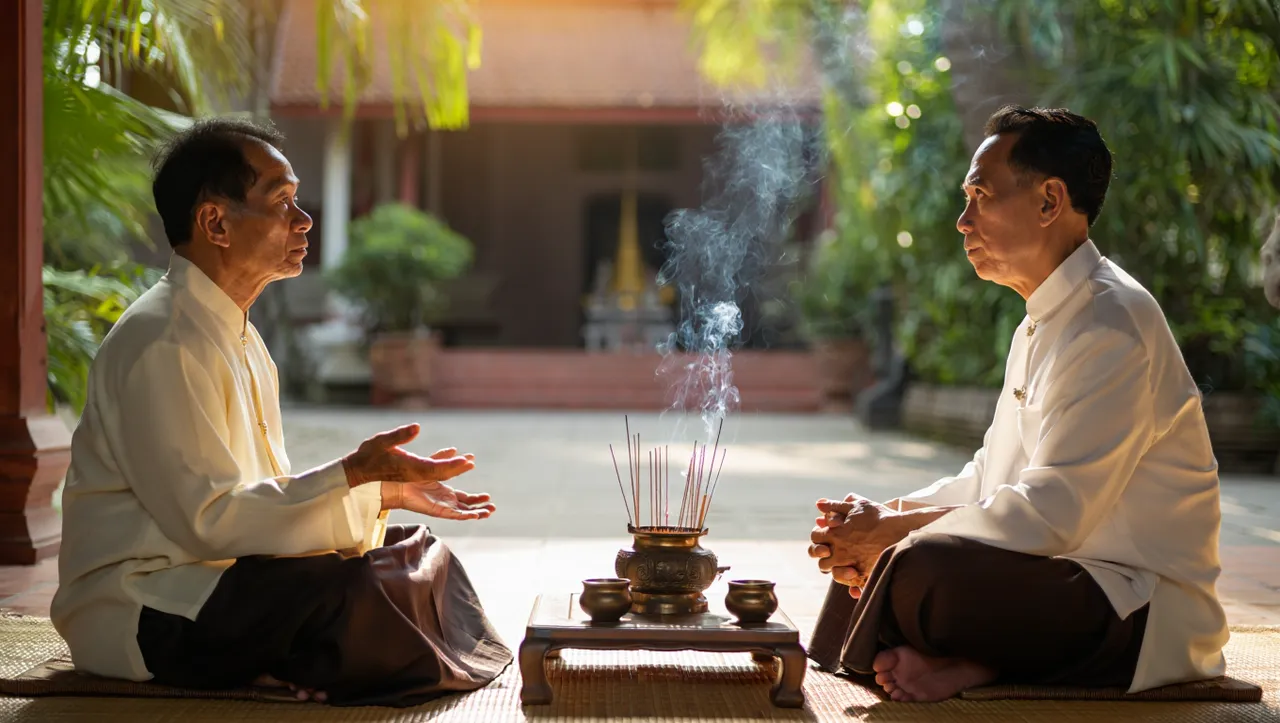
The nuances of performing the wai depend on the social status of those meeting. For example, the younger person should perform the wai first.
Respect for elder members of society lies at the foundation of Thai culture. It can be expressed in various ways. One of the most obvious methods is the use of special forms of address. For instance, when addressing an older person, the word “phi” is used, meaning “older brother” or “older sister.” This applies even to people who are not related by family.
Buddhism as the Foundation of Worldview
Buddhism, practiced by 95% of the country’s population, plays a key role in shaping Thai mentality.
Central to the Buddhist worldview is the concept of karma and rebirth. Thais believe that every action has consequences that affect future existence. This belief motivates people to strive for a virtuous life: to be generous, compassionate, and tolerant.
Another important aspect is the practice of meditation and the pursuit of inner peace. Many Thais regularly visit temples to participate in meditation or prayers to achieve harmony and balance.
Such practices help cope with everyday stress and maintain a positive mood.
Buddhism also has a significant influence on Thailand’s social structures. Monasteries often become centers of community life, where people can receive education or medical assistance. Monks are held in high respect and are considered moral authorities of society.
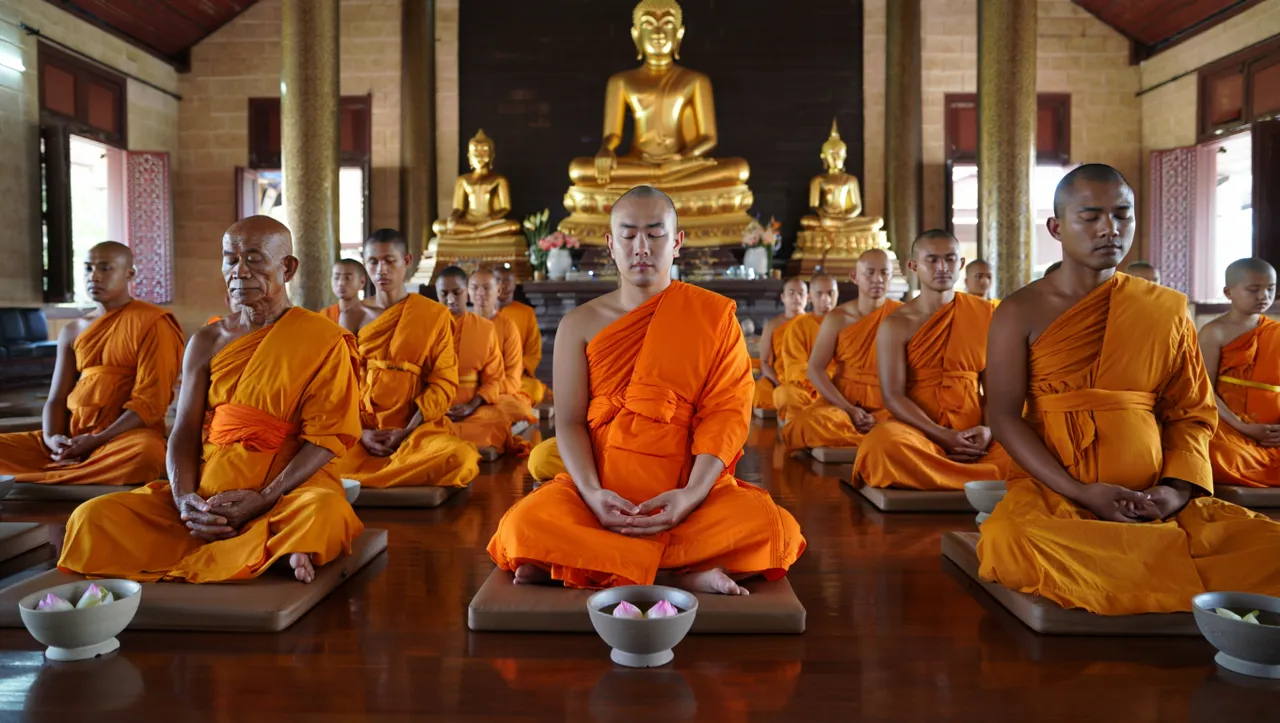
The tradition of ordaining young men as monks—temporarily or for life—is an important rite of passage into adulthood. It allows them to gain spiritual experience and develop personal qualities.
Buddhist holidays play a key role in the country’s cultural life. The most famous of these is Visakha Bucha, which commemorates the birth, enlightenment, and death of Buddha.
Family
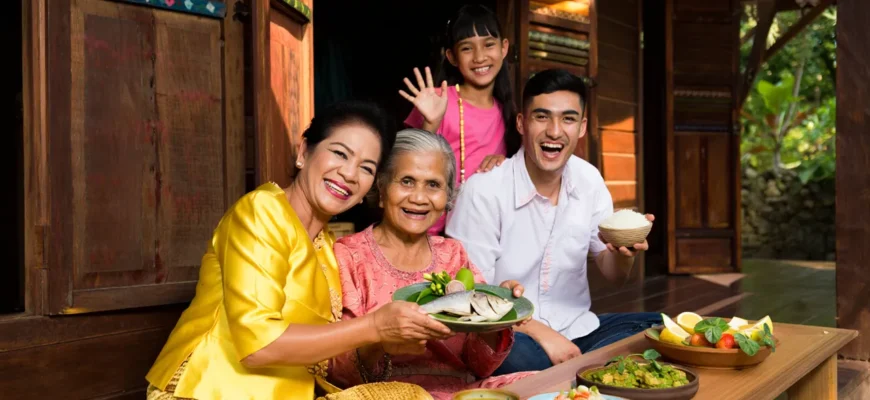
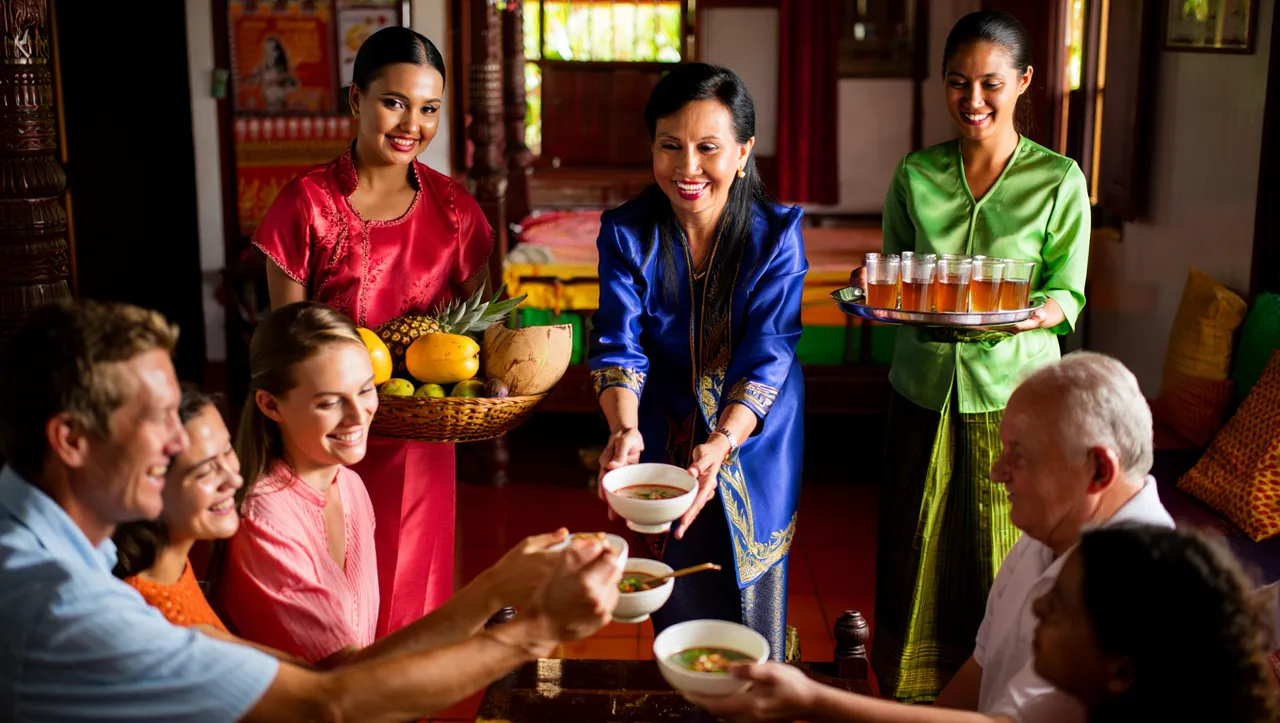
Family occupies a central place in Thai society. Elder family members often act as mentors for younger generations, passing on knowledge and life experience. In turn, young people are obligated to care for their parents and grandparents, especially when they reach old age. It’s common in Thailand for several generations of one family to live under one roof.
Holidays and Traditions
Thailand regularly hosts various symbolic festivals and frequent holidays.
Loy Krathong
Every year during the full moon in November, Thailand is immersed in an atmosphere of magic and light. This is the time for one of the country’s most beautiful and symbolic holidays—Loy Krathong. This festival, named after the floating baskets called krathongs, has become the embodiment of purification and hope.
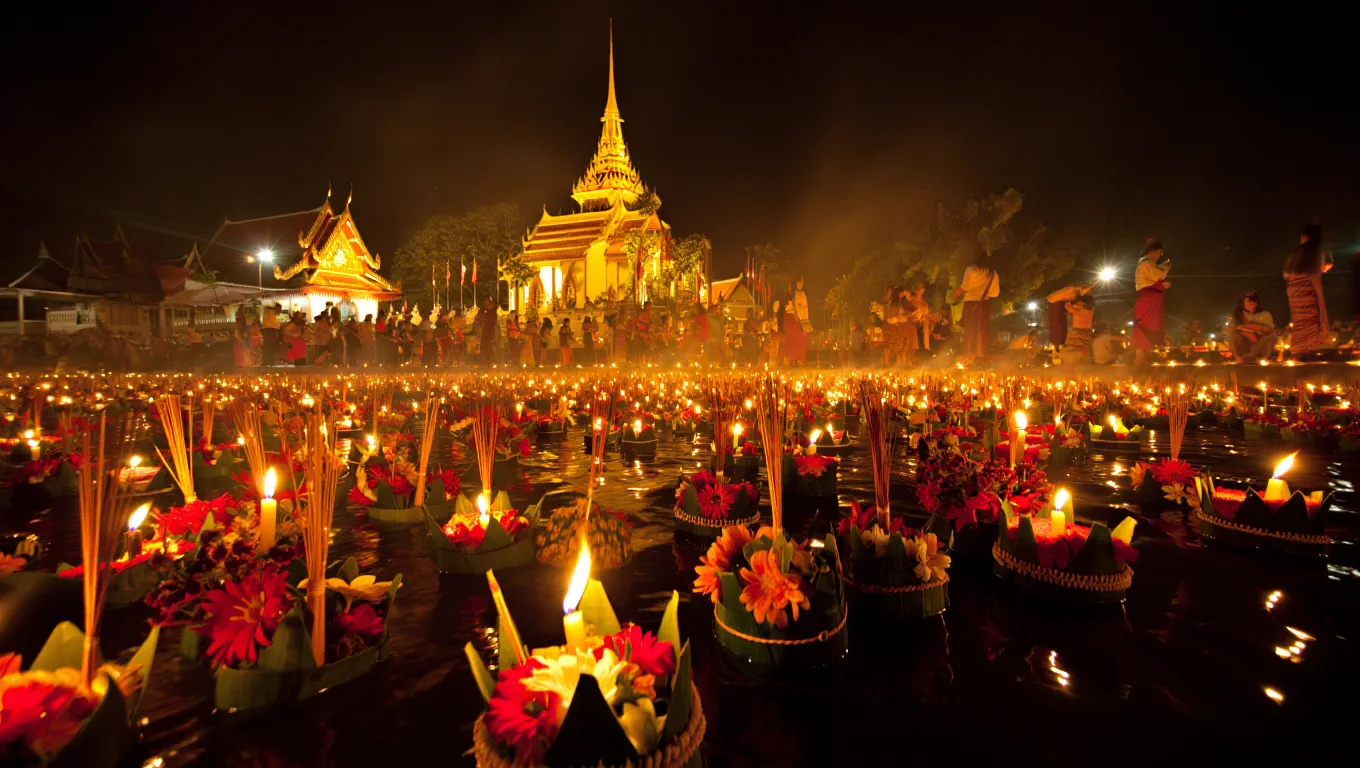
Loy Krathong has its roots in ancient traditions. It’s believed that the holiday originated as an expression of gratitude to the Brahmin water goddess Ganga. Water plays a key role in the lives of Thais, especially in agricultural regions where it ensures the fertility of the land.
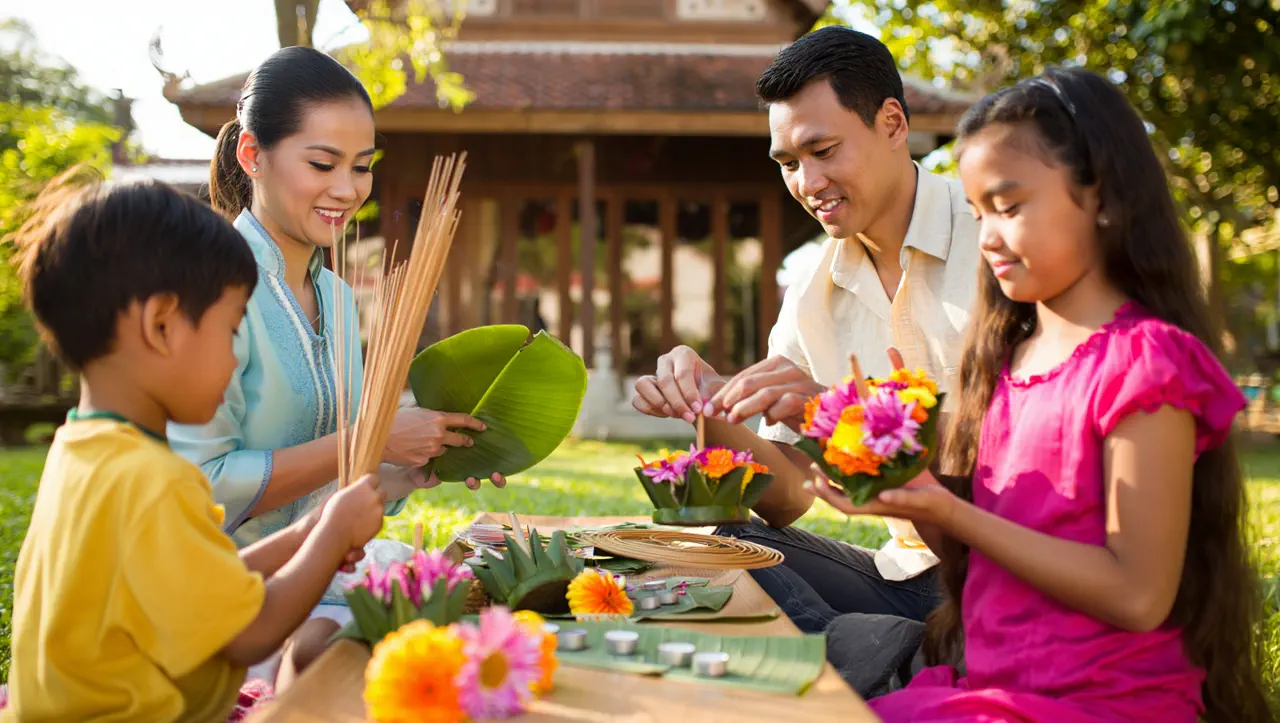
Krathongs are small boats, usually made from banana leaves. They are decorated with flowers, candles, and incense. Sometimes coins are placed inside as a symbol of generosity and good fortune. When these miniature rafts are set sailing on rivers and canals, they carry prayers for forgiveness of sins and hope for a better future.
In the evening, residents of Thailand gather near bodies of water: rivers, lakes, or even small ponds. Families and friends launch their krathongs onto the water, watching as the glowing boats drift with the current. This moment is accompanied by quiet prayers and wishes.
In large cities such as Bangkok or Chiang Mai, Loy Krathong becomes a true spectacle with mass releases of lanterns into the sky. Thousands of luminous spheres rise upward, creating a stunning picture of a starry rain.
Songkran
Songkran is one of the brightest and most memorable holidays in Thailand, annually attracting thousands of tourists from around the world. This festival, celebrated from April 13 to 15, symbolizes the beginning of the Thai New Year and represents a combination of ancient traditions and modern entertainment.
The name “Songkran” comes from the Sanskrit word “sankranti,” meaning “transition.” Initially, the holiday was associated with the astronomical transition of the Sun from one zodiac sign to another, but over time it became associated with the beginning of the new year according to the Thai calendar.
Traditionally, Songkran symbolizes cleansing from the old and welcoming the new, which is reflected in rituals and ceremonies associated with water.
Water plays a central role in Songkran celebrations. In the past, people gently poured water on each other from a bowl, symbolizing cleansing from sins and misfortunes of the past year. Today, this tradition has transformed into grand water battles on city streets. Thais and tourists arm themselves with water guns, buckets, and hoses to participate in fun street battles.
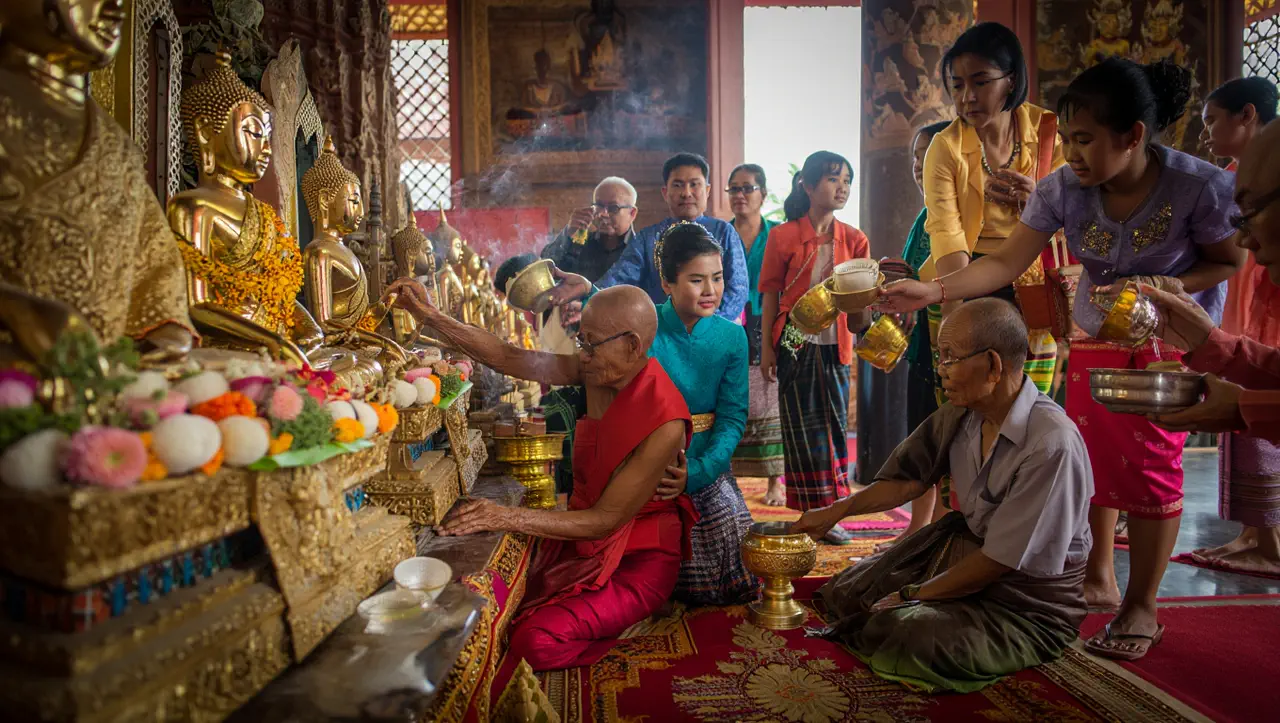
However, behind this noisy fun lies a deep meaning: water symbolizes purity and renewal. Many Thais also visit temples, where they wash Buddha statues with fragrant water and sand for blessings.
Songkran is not only about street festivals but also a time for family gatherings. Thais come together with relatives to honor elder family members. One of the key rituals is “rod nam dam hua”—a ceremony of washing elders’ hands with water mixed with flowers and incense as a sign of respect and gratitude.
During Songkran, Thailand’s cities come alive: parades, cultural performances, and beauty contests are held everywhere. Special attention is given to traditional music and dances. In Bangkok, Chiang Mai, and Pattaya, large-scale events are organized with the participation of local artists and international guests.
In recent years, Songkran has become an even more international event thanks to the influx of tourists. This has led to the holiday acquiring elements of a carnival: beach parties, themed shows, and open-air concerts have become an integral part of the celebrations.
Interesting Facts About Thai Mentality
- Thais are known for their friendly smile, which helps smooth over conflicts.
- The monarchy holds great significance for national identity.
- Many Thais believe in the protective power of amulets.
Questions and Answers About Thai Mentality
What is the wai in Thai culture?
The wai is a traditional greeting with palms together near the chest, symbolizing respect.
What role does Buddhism play in the lives of Thais?
Buddhism shapes the worldview of most Thais, influencing their values. The belief in karma makes Thai residents reflect on every action, as it will be reflected in their future life.
Why are family ties so important to Thais?
Family is the foundation of Thailand’s social structure, providing support and security to each of its members.