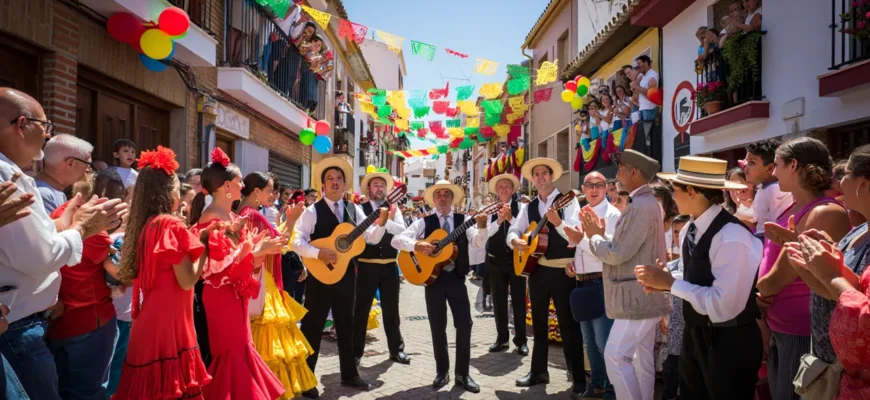
Spain is not just a country of sun, flamenco, and paella. It’s a special rhythm of life based on joy, respect for traditions, and the ability to enjoy every moment. The Spanish mentality has been shaped by history, climate, and the culture of different regions—from Catalonia to Andalusia. To understand Spain, you need to feel its mood: unhurried, warm, emotional, and truly alive.
- Characteristics of Spanish Mentality
- 1. Joy of Life and Optimism
- 2. Family and Friendship Above All
- 3. Slow Pace of Life
- 4. Emotionality and Directness
- 5. Pride and Regional Identity
- Historical Roots of Spanish Mentality
- Reflection of Mentality in Daily Life and Traditions
- Regional Differences in Mentality
- Interesting Facts About Spanish Mentality
- How to Adapt in Spain: Tips for Travelers and Expats
- 1. Accept the Local Rhythm of Life
- 2. Learn Spanish
- 3. Be Open in Communication
- 4. Understand Cultural Differences
- 5. Respect Traditions and Celebrations
- 6. Transportation and Lifestyle
- 7. Respect Personal Space
- Tips for Relocation or Long-term Stay
- Interesting Facts About Adapting in Spain
- FAQ—Frequently Asked Questions
Characteristics of Spanish Mentality
Spaniards are people of contrasts: they can be expressive yet balanced, open yet with a strong sense of personal space.
The main trait of Spanish character is the ability to live here and now (vivir el momento).
1. Joy of Life and Optimism
Even in difficult situations, Spaniards maintain positivity. They prefer to smile rather than complain and believe that everything can be resolved over a cup of coffee and good conversation.
2. Family and Friendship Above All
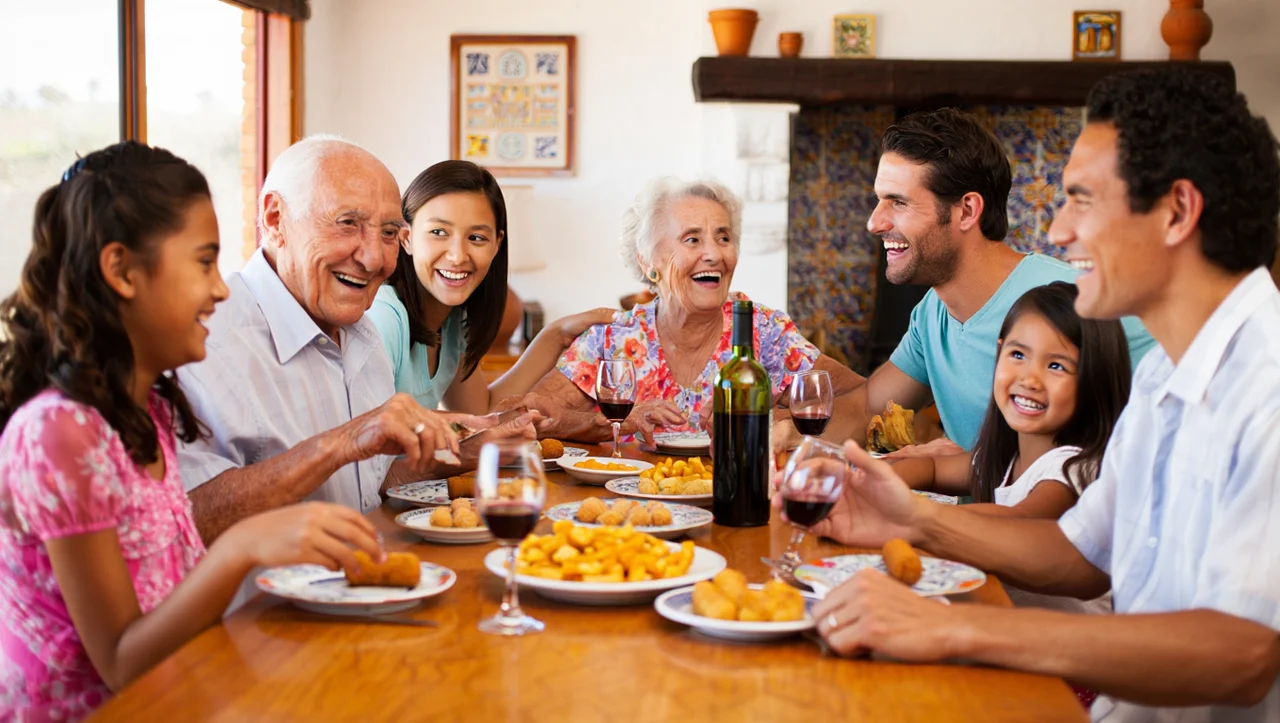
For a Spaniard, family is the center of the universe. Here they respect elders, often gather for dinner, and genuinely care about the affairs of loved ones. Friends often become a second family.
3. Slow Pace of Life
Nobody rushes—especially in the southern regions. “Mañana” (tomorrow) is not just a word, but a philosophy. Siesta, long lunches, and evening walks are not laziness, but a way to restore balance.
4. Emotionality and Directness
Spaniards speak loudly, gesticulate actively, and openly express emotions. But at the same time, they remain friendly and honest in communication.
5. Pride and Regional Identity
Spaniards can be from Madrid, Catalonia, the Basque Country, or Andalusia—and everyone is proud of their origin. But all are united by national pride and love for their culture.
Historical Roots of Spanish Mentality
The Spanish mentality was formed under the influence of many civilizations—Romans, Arabs, Celts, and Visigoths.
- Moorish heritage—passion for celebrations, music, and art.
- Christian tradition—respect for family, faith, and religious customs.
- Period of Reconquista and maritime discoveries—pride, independence, and spirit of adventure.
All these factors created a unique mixture of temperament, tolerance, and inner dignity.
Reflection of Mentality in Daily Life and Traditions
Spaniards cannot imagine life without shared meals and celebrations.
- Fiestas—an important part of life. Almost every city hosts its own carnival, harvest festival, or religious procession.
- Cuisine—collective pleasure. Tapas, wine, and laughter—the perfect Spanish evening.
- Work—important, but not above personal happiness. Spaniards value the balance between work and rest.
Regional Differences in Mentality
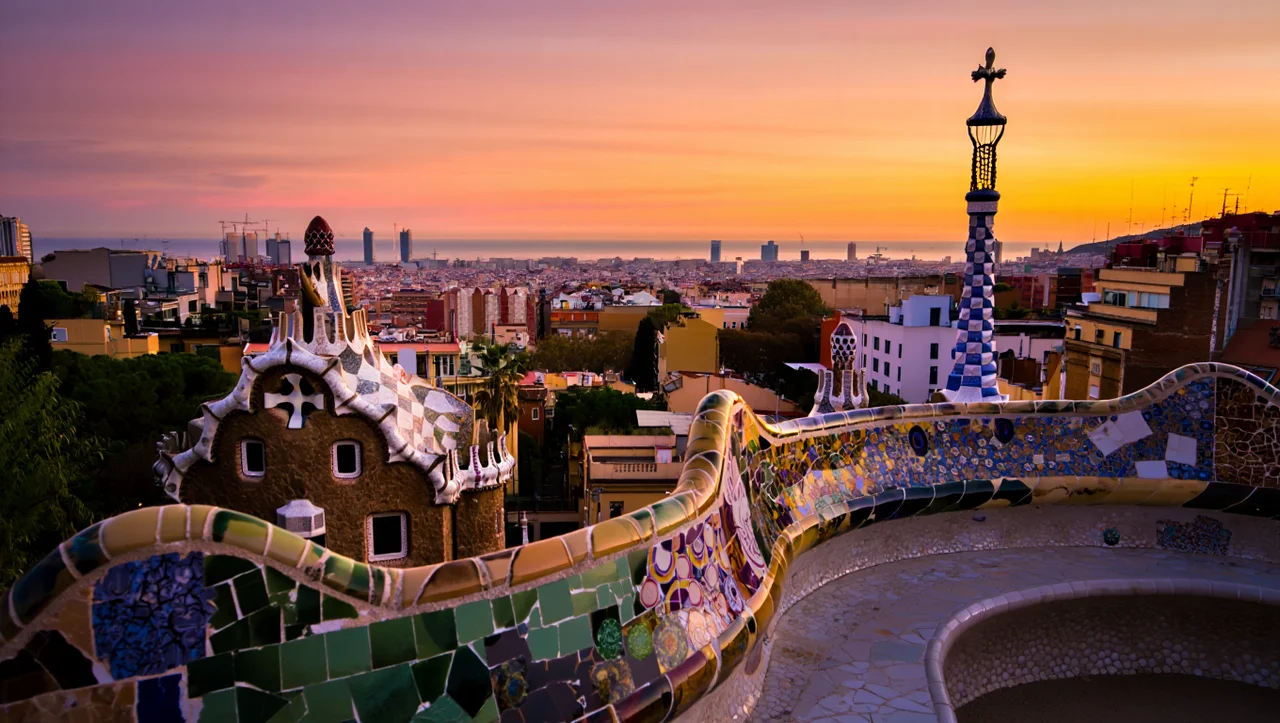
| Spanish Region | Characteristic Traits of Inhabitants | Notable Features |
| Catalonia | Practicality, independence | Focus on business and culture |
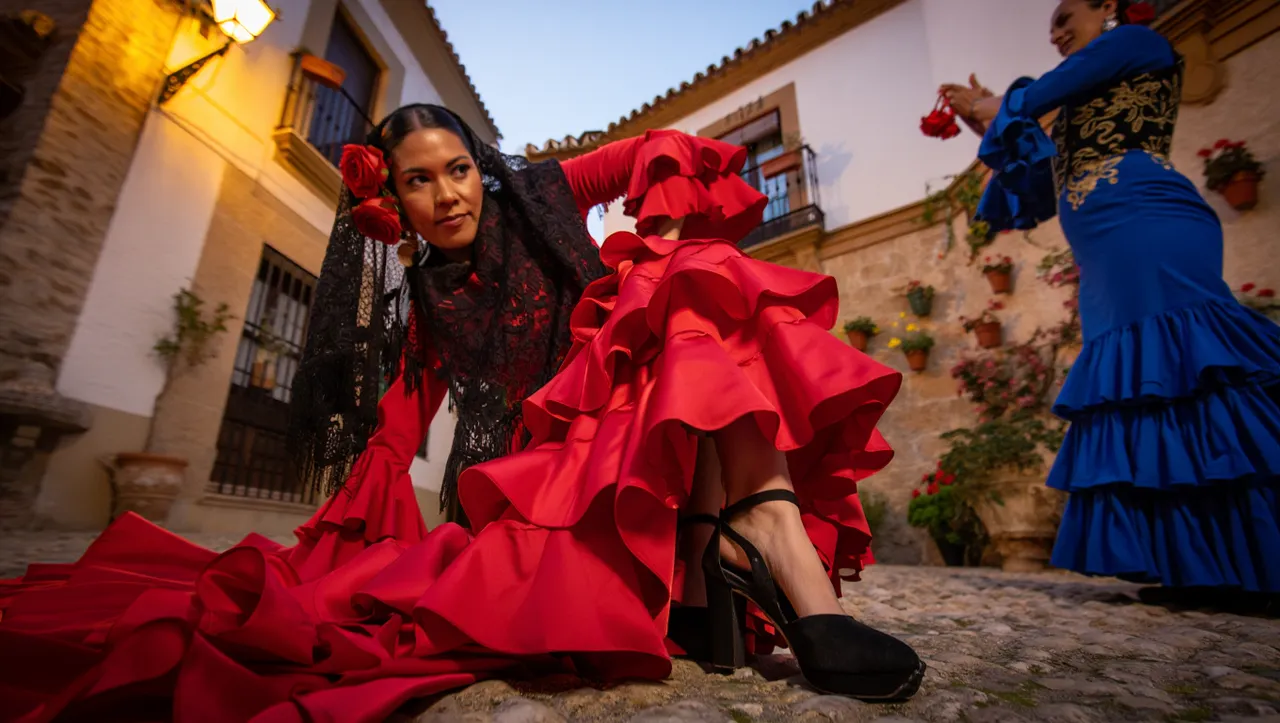
| Andalusia | Openness, cheerfulness | Love of music, dance, celebrations |
| Basque Country | Restraint, pride | Unique language and traditions |
| Madrid | Sociability, activity | Center of modern life |
| Galicia | Emotionality, spirituality | Celtic roots, deep superstitions |
Interesting Facts About Spanish Mentality
- Spaniards spend an average of 2 hours more at the table than residents of other European countries.
- In Spain, there are over 8,000 festivals per year—almost every day there’s a fiesta somewhere.
- In conversation, Spaniards often touch their interlocutor—this is an expression of trust, not intrusion.
- Spaniards often have dinner at 10 PM or later, considering this normal.
- Almost 90% of Spain’s residents claim to be happy, even despite economic difficulties.
How to Adapt in Spain: Tips for Travelers and Expats
Spain is a country where even an ordinary day can turn into a celebration. But to feel comfortable here, it’s important to understand the rules of living Spanish-style.
1. Accept the Local Rhythm of Life
In Spain, life starts later and flows more slowly.
- Breakfast—around 9-10 AM.
- Lunch—from 2 PM to 4 PM, and during this time everything literally freezes.
- Dinner—no earlier than 9 PM.
Don’t try to adjust Spain to yourself—it’s better to adjust to it.
2. Learn Spanish
Even basic phrases will open doors for you. Spaniards love it when foreigners try to speak their language—it inspires trust and respect. Useful phrases:
- Buenos días—good morning.
- Gracias—thank you.
- ¿Qué tal?—how are you?
- Por favor—please.
3. Be Open in Communication
Spaniards are rarely formal. They value live communication, smiles, and a sense of humor. Don’t be surprised if you’re invited to dinner after a brief acquaintance—this is normal.
4. Understand Cultural Differences
Not everything that seems like “being late” or “relaxed” is disorganization. Spaniards simply live at a different rhythm, where human relationships are more important than schedules.
5. Respect Traditions and Celebrations
Here, holidays are sacred. During festival times (especially in August and December), shops, offices, and even government institutions may close. But if you participate—you’ll be accepted as one of their own.
6. Transportation and Lifestyle
Spaniards love to walk and meet in cafes. A car is only needed in small towns. By the way, in Spain you can’t eat lunch while driving or drink coffee “on the go”—everything should be calm and with pleasure.
7. Respect Personal Space
Although Spaniards are open and friendly, they value sincerity. Don’t try to seem like someone else—be natural.
Tips for Relocation or Long-term Stay
| Issue | Tips |
| Finding Housing | Better to search through local websites (Idealista, Fotocasa). Check utility conditions. |
| Documents | For stays longer than 90 days, you need a visa or residence permit. Check current requirements at the consulate. |
| Banking Issues | In Spain, it’s convenient to use cards and online banking, but cash is still popular. |
| Daily Life | Utilities are paid monthly, rent often requires a deposit. |
| Working Days | In Spain there are many holidays—check the schedule in advance. |
Interesting Facts About Adapting in Spain
- In some regions of Spain, you can hear four official languages: Spanish, Catalan, Basque, and Galician.
- Spaniards prefer to call rather than write—even in work matters.
- In an interview, they may ask about your hobbies—it’s important that you “fit into the team.”
- In Spain, it’s customary to greet everyone personally, even if there are 10 people in the room.
- 70% of Spaniards prefer to have lunch not at home, but in a cafe with friends or colleagues.
- In some families, Sunday lunch is a mandatory ritual.
- Spaniards don’t like rushing even in business—the more trust, the faster everything goes.
FAQ—Frequently Asked Questions
What is the main trait of Spaniards?
Openness and friendliness. Spaniards are happy to make contact and value live communication.
Why are Spaniards so calm?
It’s part of their cultural code. The warm climate and traditions have taught them not to rush and to enjoy life.
How to behave in the company of Spaniards?
Be emotional, smile, support the conversation, and don’t be afraid of gestures—they are perceived positively.
Are there differences between northern and southern Spain?
Yes. Northerners are more reserved, while southerners are passionate and open. But both regions are friendly and hospitable.
Is it difficult to get used to life in Spain?
No. If you’re open, friendly, and don’t rush—adaptation will be easy.
How do Spaniards treat foreigners?
Generally very positively. The main thing is to respect the culture and show interest in the language.
Can you find work without knowing the language?
In big cities—partially, especially in IT and tourism. But for comfortable living, Spanish is mandatory.
Spanish mentality is the art of living in harmony with yourself and the world. Their philosophy is to rejoice in simple things, value loved ones, and enjoy every moment.
By understanding Spaniards, you’ll understand that happiness is not in speed, but in the ability to stop and say: “¡Qué viva la vida!”—Long live life!