Winter hazards: Concussions and their effects
Winter is a time for many things: snow sports, curling up by the fire, and spending time with loved ones. But it’s also a time of increased risk for injury, including concussions.
What is a concussion?
A concussion is a mild traumatic brain injury (TBI) that can result from a blow, bump, or jolt to the head. It can also occur from a fall or a whiplash-type injury.
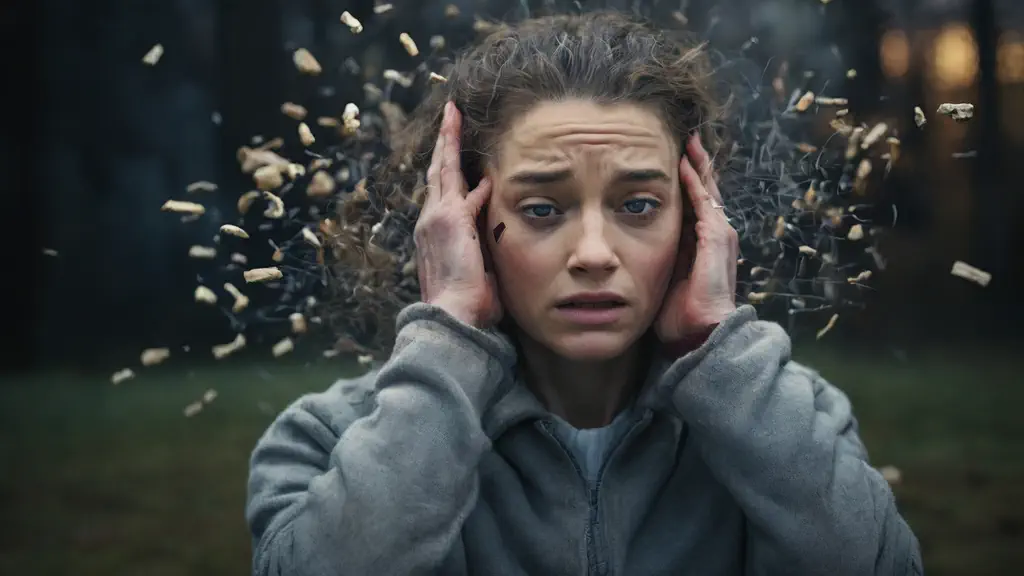
Symptoms of a concussion
Symptoms of a concussion can vary from person to person and may include
- Headache
- nausea
- vomiting
- Dizziness
- tiredness
- Confusion
- memory loss
- blurred vision
- Sensitivity to light and noise
- Trouble sleeping
- mood changes
- Difficulty concentrating
Concussion Treatment
There is no one-size-fits-all treatment for a concussion. However, most people recover within 2 to 4 weeks. Treatment may include
- Rest
- Over-the-counter pain relievers
- Avoiding activities that may make symptoms worse
- Physical therapy
- Cognitive rehabilitation
Complications of a Concussion
In some cases, a concussion can lead to complications, including
- Post-concussion syndrome (PCS): This is a condition that can last for months or even years after a concussion. Symptoms of PCS may include headache, fatigue, dizziness, and difficulty concentrating.
- Second Impact Syndrome: This is a rare but serious condition that can occur when a person suffers a second concussion before the first one has healed. Second impact syndrome can lead to brain swelling and death.
Preventing Concussions
There are a number of things you can do to help prevent concussions, including
- Wearing a helmet when participating in sports or activities where there is a risk of head injury.
- Using caution when walking or driving on icy surfaces
- Avoiding activities that could cause you to fall
- Being aware of your surroundings
Concussions in children
Children are more vulnerable to concussions than adults. This is because their brains are still developing. If you think your child has a concussion, it’s important to seek medical attention right away.
Conclusion
Concussions are a serious but often overlooked injury. By understanding the risks, symptoms, and treatment options, you can help protect yourself and your loved ones from this potentially debilitating condition.