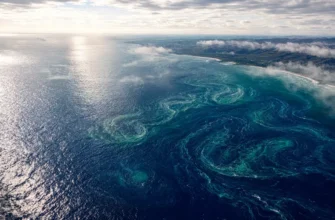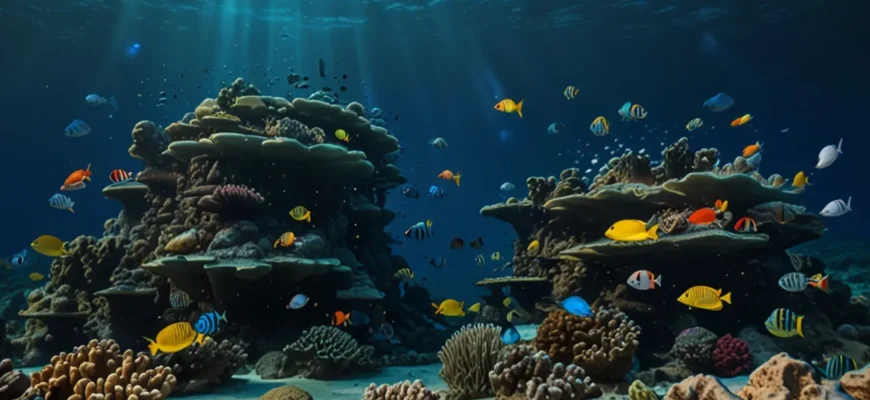
Egypt is renowned for its ancient pyramids and rich history, but beneath the waves of the Red Sea lies another world of wonder waiting to be explored. The crystal-clear waters teem with vibrant marine life, offering divers and snorkelers an unforgettable experience. In this article, we’ll dive into the depths to discover 8 of the most captivating fish species you’re likely to encounter on your underwater adventures in Egypt.
1. Lionfish (Pterois)
One of the most striking fish you’ll encounter in Egyptian waters is the lionfish. With its distinctive zebra-striped body and fan-like fins, the lionfish is a true marvel of nature. These elegant creatures are known for their slow, graceful movements as they glide through coral reefs.
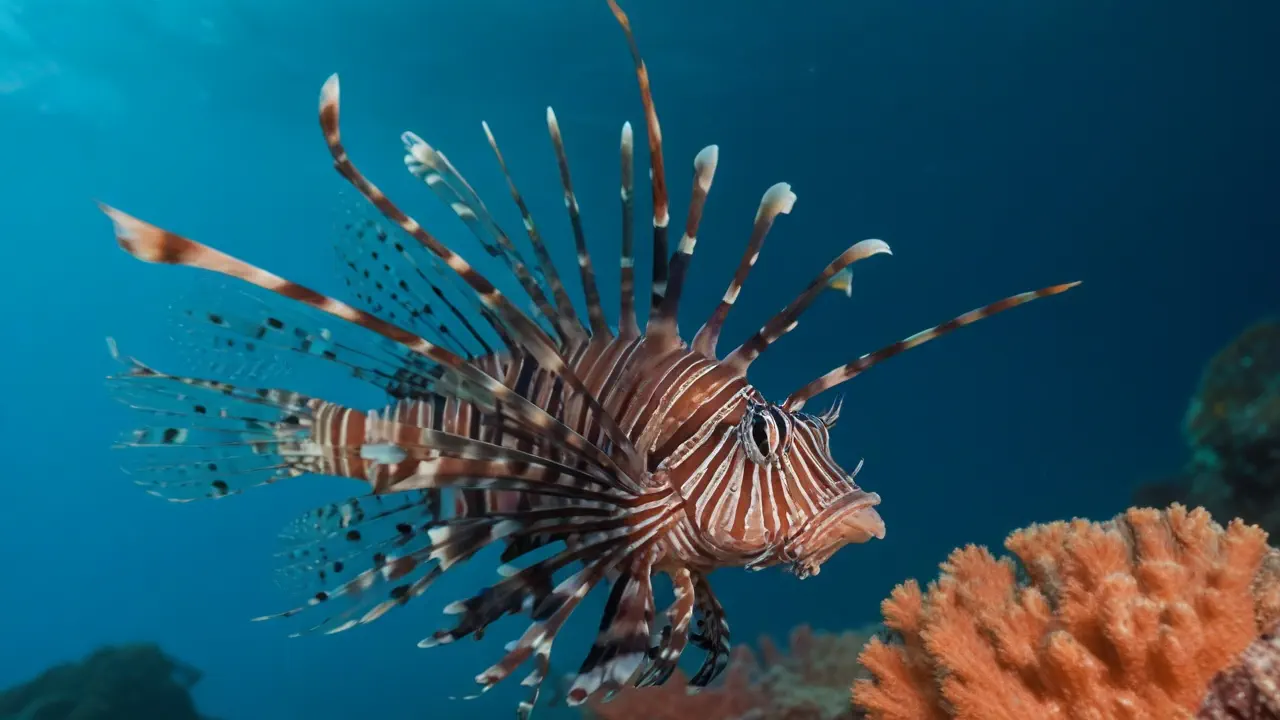
While beautiful to observe, it’s crucial to remember that lionfish are equipped with venomous spines. These spines serve as a defense mechanism, deterring potential predators. As an introduced species in many parts of the world, including the Red Sea, lionfish have become a concern due to their voracious appetite and lack of natural predators. However, their presence in Egyptian waters offers a unique opportunity for divers to witness these fascinating creatures in their adopted habitat.
2. Clownfish (Amphiprioninae)
Made famous by the animated film “Finding Nemo,” clownfish are a beloved sight for many underwater enthusiasts. These small, brightly colored fish are easily recognizable by their orange bodies adorned with white stripes. In Egyptian waters, you’re most likely to spot the Red Sea clownfish (Amphiprion bicinctus), a species native to the region.
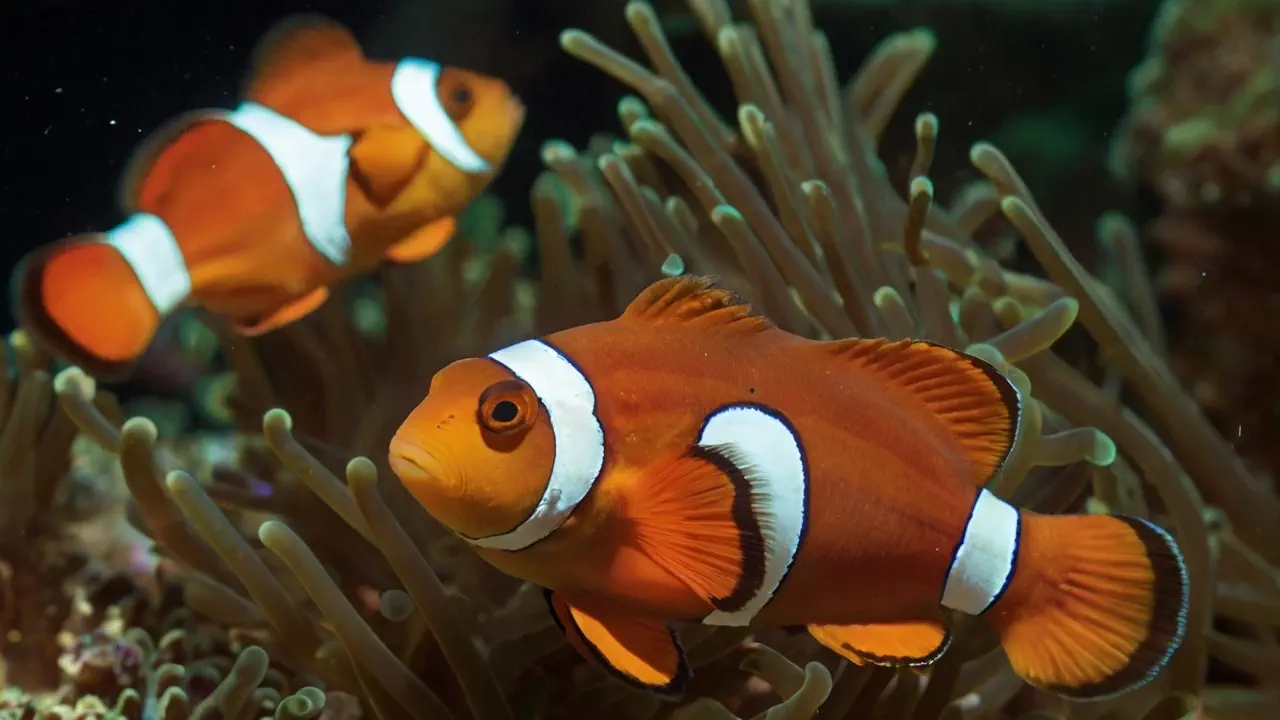
What makes clownfish truly fascinating is their symbiotic relationship with sea anemones. These fish make their homes among the tentacles of anemones, which would normally sting and consume other fish. Clownfish, however, have developed a mucus coating that protects them from the anemone’s stinging cells. In return, the clownfish help keep the anemone clean and may even bring it food. This unique partnership is a testament to the intricate balance of marine ecosystems.
3. Napoleonfish (Cheilinus undulatus)
Also known as the humphead wrasse, the Napoleonfish is one of the largest reef fish in the world. These gentle giants can grow up to 2 meters in length and weigh up to 180 kilograms. Their most distinctive feature is the prominent bump on their forehead, which gives them their nickname.\
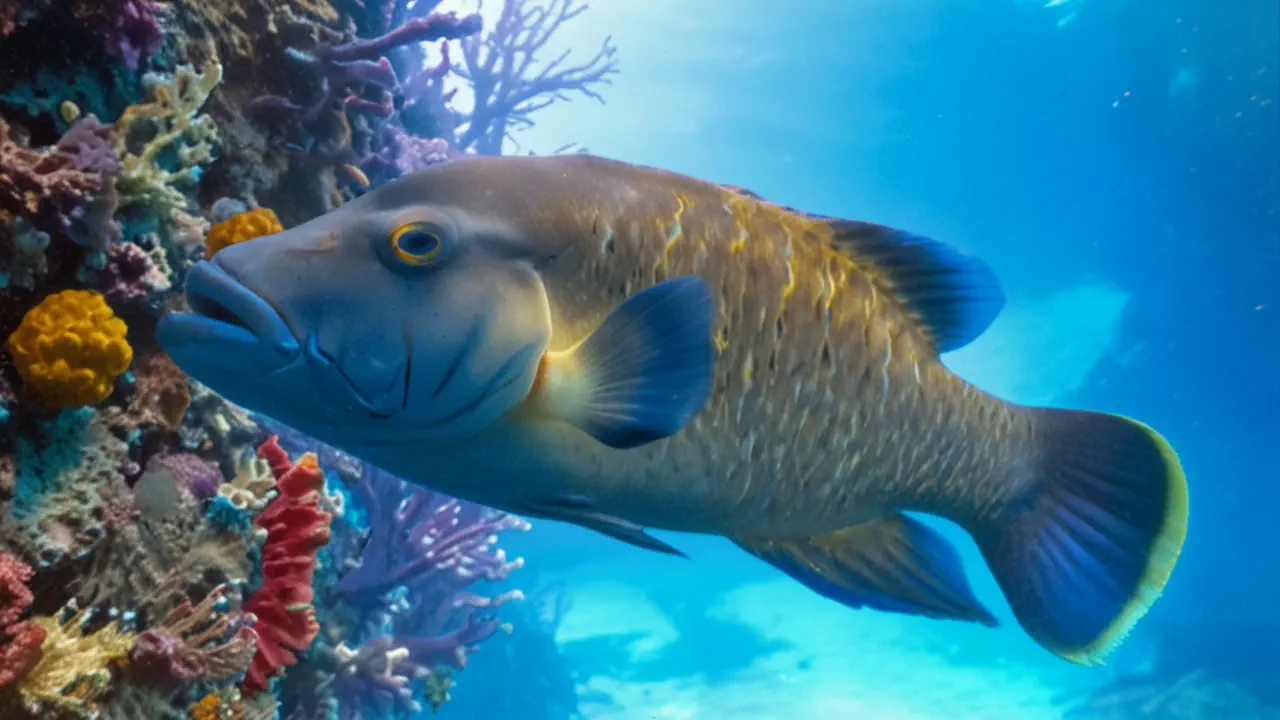
Napoleonfish are a treat to observe in their natural habitat. They move slowly through the water, using their powerful jaws to crush hard-shelled prey like mollusks and crustaceans. Despite their imposing size, these fish are known for their curious and sometimes playful nature, often approaching divers with apparent interest.
Unfortunately, the Napoleonfish is listed as endangered due to overfishing and the destruction of coral reef habitats. Encountering one of these majestic creatures in Egyptian waters is a rare privilege that underscores the importance of marine conservation efforts.
4. Red Sea Clownfish (Amphiprion bicinctus)
While we’ve touched on clownfish earlier, the Red Sea clownfish deserves special mention as it’s native to the region. This species is slightly larger than its more famous cousin, the orange clownfish, and features a deep reddish-brown coloration with two white bars.
Red Sea clownfish are particularly fascinating due to their complex social structures. They live in small groups within an anemone, with a strict hierarchy dominated by a breeding pair. The largest fish in the group is always the female, with the second-largest being the breeding male. If the female leaves or dies, the male will change sex to become the new female, and the next largest fish in the group will become the breeding male. This remarkable ability to change sex ensures the survival of the group and is a testament to the adaptability of these fascinating fish.
5. Bluespotted Stingray (Taeniura lymma)
Gliding gracefully over the sandy bottoms and coral reefs of the Red Sea, the bluespotted stingray is a captivating sight. These beautiful creatures are easily identifiable by their oval-shaped bodies, which are a sandy or brown color covered in vivid blue spots.
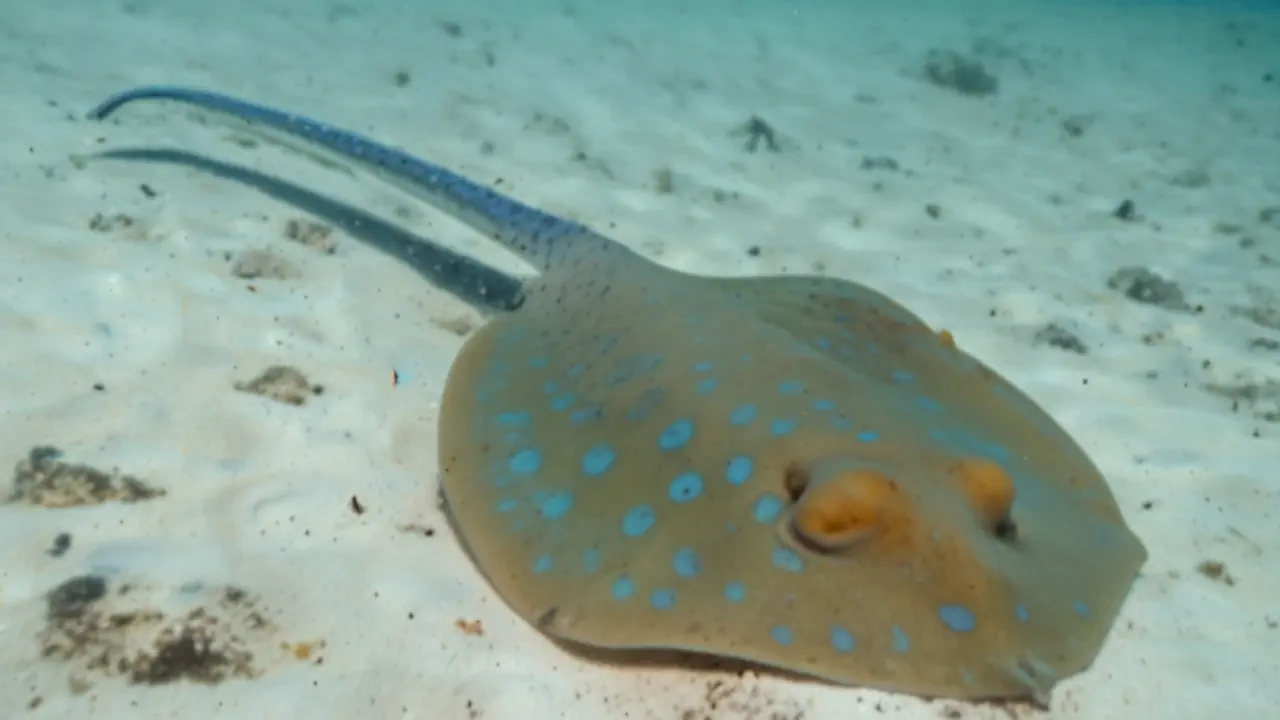
While stingrays may have a reputation for being dangerous due to their venomous tail spines, bluespotted stingrays are generally docile and prefer to avoid confrontation. They spend much of their time partially buried in the sand, with only their eyes visible, waiting for small fish and crustaceans to pass by.
Observing a bluespotted stingray in its natural habitat is a mesmerizing experience. Their undulating movements as they “fly” through the water are hypnotic, and watching them hunt or interact with cleaning fish can provide fascinating insights into marine behavior.
6. Red Sea Anemonefish (Amphiprion bicinctus)
The Red Sea Anemonefish, also known as the two-band anemonefish, is another species of clownfish native to the waters around Egypt. These charming little fish are easily distinguished by their reddish-orange bodies with two white bands – one behind the eyes and another in the middle of the body.
Like other anemonefish, they live in a symbiotic relationship with sea anemones. What’s particularly interesting about the Red Sea Anemonefish is its ability to adapt to different species of anemones. This adaptability has allowed them to thrive in various reef environments throughout the Red Sea.
Watching these fish dart in and out of their anemone homes is a delightful experience for divers and snorkelers. Their bold behavior and bright colors make them a favorite subject for underwater photographers.
7. Picasso Triggerfish (Rhinecanthus assasi)
With its distinctive pattern and colors, the Picasso Triggerfish looks like it swam right off an artist’s canvas. These fish have a white body adorned with bold black, blue, and yellow markings that seem almost too intricate to be natural.
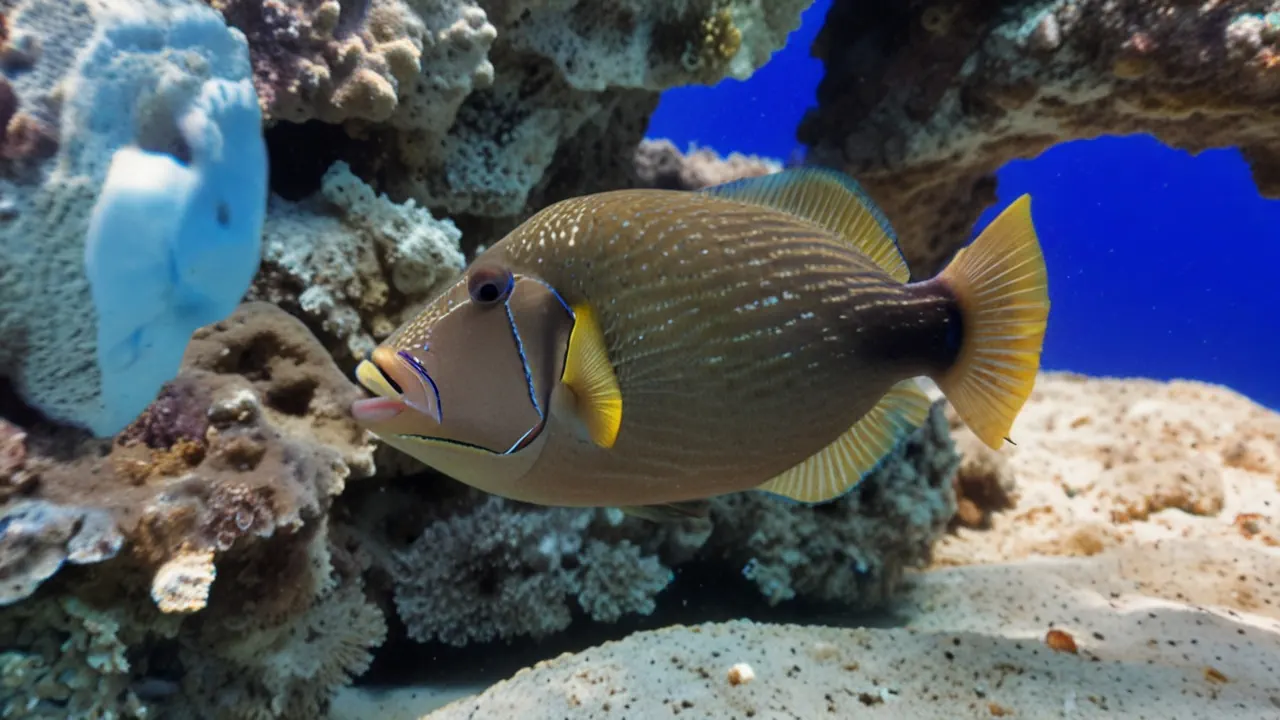
Picasso Triggerfish are known for their feisty personalities and territorial behavior, especially during breeding season. They have powerful jaws that they use to crush hard-shelled prey like sea urchins and mollusks. Their name comes from the large, stout spine on their dorsal fin, which they can raise and lock into place as a defense mechanism.
Despite their sometimes aggressive nature, Picasso Triggerfish are a joy to observe in their natural habitat. Their vivid colors stand out against the backdrop of coral reefs, and their busy foraging behavior provides endless entertainment for underwater observers.
8. Red Sea Bannerfish (Heniochus intermedius)
Last but certainly not least on our list is the Red Sea Bannerfish. These elegant creatures are easily recognizable by their distinctive shape: a tall, compressed body with elongated dorsal fin filaments that trail behind them like banners.
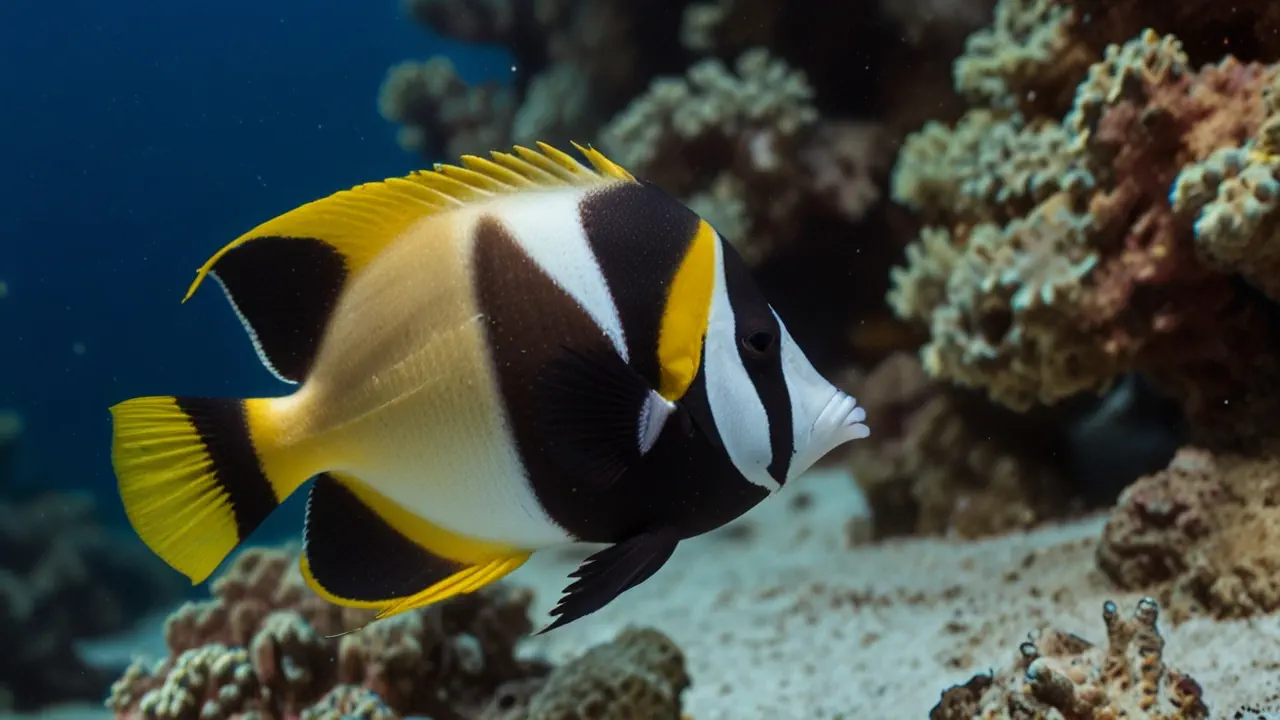
Red Sea Bannerfish are typically white with bold black bands across their body and face. They often travel in pairs or small groups, adding a touch of grace to the underwater landscape as they move through the water.
These fish play an important role in the reef ecosystem as they help control populations of small invertebrates and plankton. They’re also known to act as cleaner fish, picking parasites off larger fish species – a behavior that’s fascinating to witness if you’re lucky enough to spot it.
Conclusion
The underwater world of Egypt’s Red Sea is a treasure trove of marine biodiversity. From the flamboyant lionfish to the elegant Red Sea Bannerfish, each species we’ve explored contributes to the complex and beautiful ecosystem of the coral reefs.
As visitors to this underwater paradise, it’s crucial that we practice responsible tourism. Always maintain a safe distance from marine life, never touch or harass the animals, and be mindful of your impact on the fragile coral reef environments.
Whether you’re an experienced diver or a casual snorkeler, encountering these fascinating fish in their natural habitat is an experience that will stay with you long after you’ve dried off and returned home. So on your next trip to Egypt, don’t forget to pack your mask and fins – an unforgettable underwater adventure awaits!