No matter how you ended up in Tunisia: on a last-minute tour or independently. Our useful life hacks will help make your trip more comfortable, interesting, and cheaper.
Transport and Getting Around
- You can travel around the country not only by bus – the railways will take you to the most important destinations even faster. On average, a ticket costs $2 in economy class and $4 in business class. The only difference is the presence of air conditioning in the carriage. Note that there are no ticket inspectors on the platforms, so the business class carriage will be overcrowded with locals holding economy tickets. This is because the inspector on the train only checks for the presence of a ticket, not its price. And that’s a pretty good way to save money.
- When you go to see Carthage (locals call it Cartage), note that the ticket ($3.5) is valid for all parts of the museum for one day. Taxi drivers at the entrance will offer to drive you from point to point for about $30. But the Carthage excavation sites are located a short distance from each other, and it’s entirely possible to walk between them. We also advise you to research all the museum sites in advance – not all of them are worth your time. For example, the biggest disappointment may be a trip to the ancient Carthaginian port. The sad part is that instead of a port, you’ll see a round island with absolutely nothing on it.
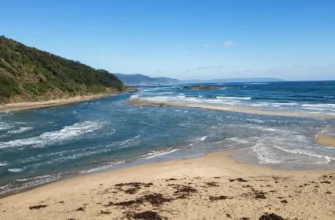
- If you are a surfer – head to Djerba. Here you’ll find white beaches and proper waves. You can get there with one transfer: the first transport is a train. The journey to Mahres station will take 2-4 hours depending on where you start your route. Right from the train station, buses and louages go, which will take you to the island itself in about an hour. In total, a one-way trip will cost about $17: roughly $7 for the train, the rest for the louage/taxi if you negotiate.


Accommodation
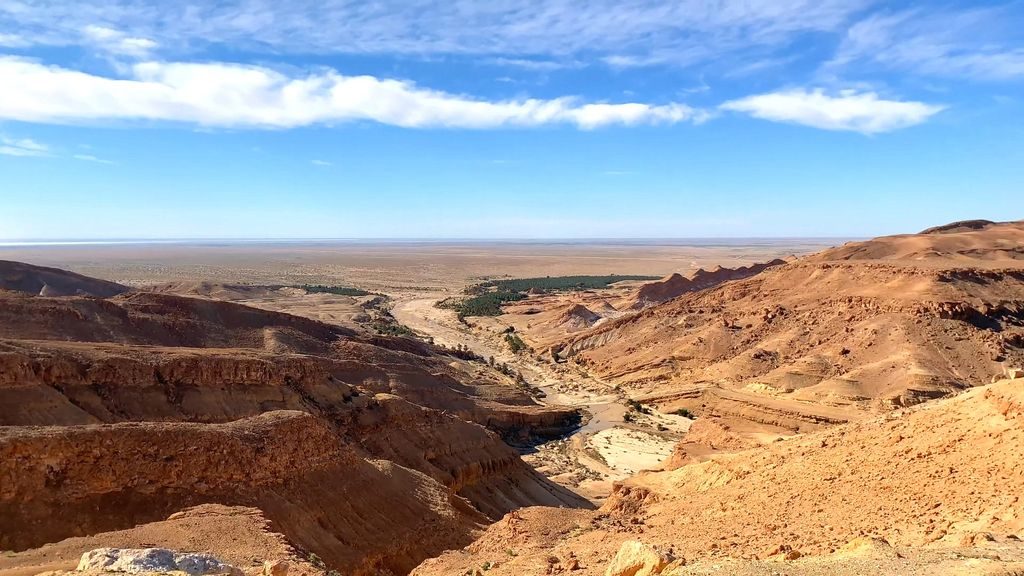
4. A trip to the south of the country, for example to Matmata, Douz, or Tataouine, is best planned in advance. Generally, all hotels in the south are transit hotels: The price for a room is about $63 (light dinner and breakfast included). If that amount is too much – there are campsites. The price upon arrival is negotiable, and campsite staff are kind people.
5. If your budget is extremely tight, a hostel can be replaced by a tent on the beach. Locals themselves prefer to spend weekends in tents by the sea. What’s more, public places are patrolled by police day and night, so you can count on safety.
Local Customs
6. When heading to Kairouan, the main Islamic holy site in North Africa, prepare like you would for Saudi Arabia: swap shorts for light trousers, and a T-shirt for a long-sleeved shirt. Locals are lenient towards tourists arriving in organized groups, but they may shout at independent travelers who look inappropriate.
7. Displaying your relationship in public in Tunisia is considered indecent. However, couples are not forbidden to live together in a hostel or hotel.
8. Since Tunisia was under French rule until the mid-20th century, locals communicate with each other in the Maghrebi dialect of Arabic and French. English is understood by guides and some merchants near Carthage. For communicating with locals, it’s enough to know numbers and the name of your destination in French. If you know classical Arabic, it won’t help much — locals understand it but do not speak it.
9. Alcohol is not sold everywhere in the country. In grocery-type stores, sales are strictly prohibited. However, the Tunisian government has organized a network of alcohol markets called “Generale”. Most often, these stores don’t even have a sign, so it’s better to ask taxi drivers where they are. “Generale” is open on weekdays until 10:00 PM, and closed during the holy month of Ramadan. If you buy a bottle of gin, remember that drinking outside the tourist zone may lead to detention by the police. [one_quote type=right]And note: Tunisia is known for its locally produced rosé wines.[/one_quote]
10. The main guidebook for Tunisia – local guides. As a rule, they even speak Russian. Finding guides is easy — they often hang around souvenir shops with their tourists.
Shopping
11. Since the country lies in the subtropical belt, you will need plenty of fluids. It’s better not to drink tap water, but to buy bottled water. The price of 2 liters of water can vary depending on where you buy it. In shops closer to tourist spots, a bottle of water will cost $2, in other areas – $0.7. It’s better not to buy packaged juices at all – they all taste like watered-down Yupi. Decent juice can only be bought from street vendors.
12. Buying medicine in Tunisia is not a problem – it’s cheap and high quality. However, all pharmacies in Tunisia are state-owned and open only on weekdays and non-holidays.
13. You can usually pay with a bank card only in large stores in the center of the capital. To withdraw cash, you can go to any bank. All banks are open until approximately 6:00 PM.
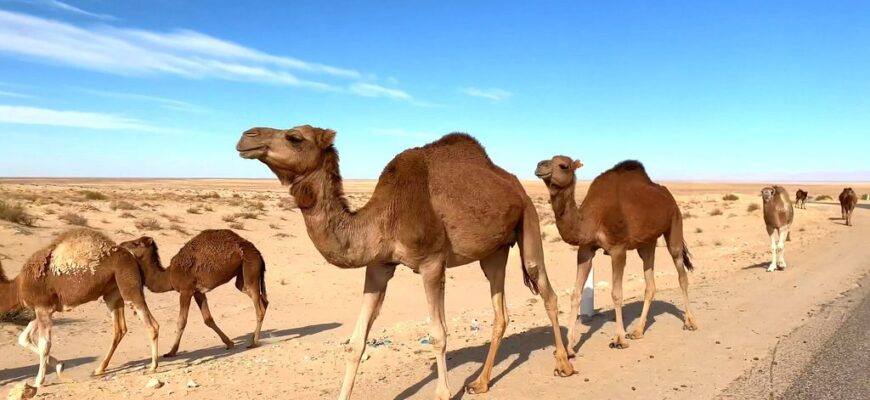
14. If you love genuine leather goods, Tunisia will pleasantly surprise you. The cheapest here is camel leather. It is used to make bags of any size, wallets, shoes, and drums.
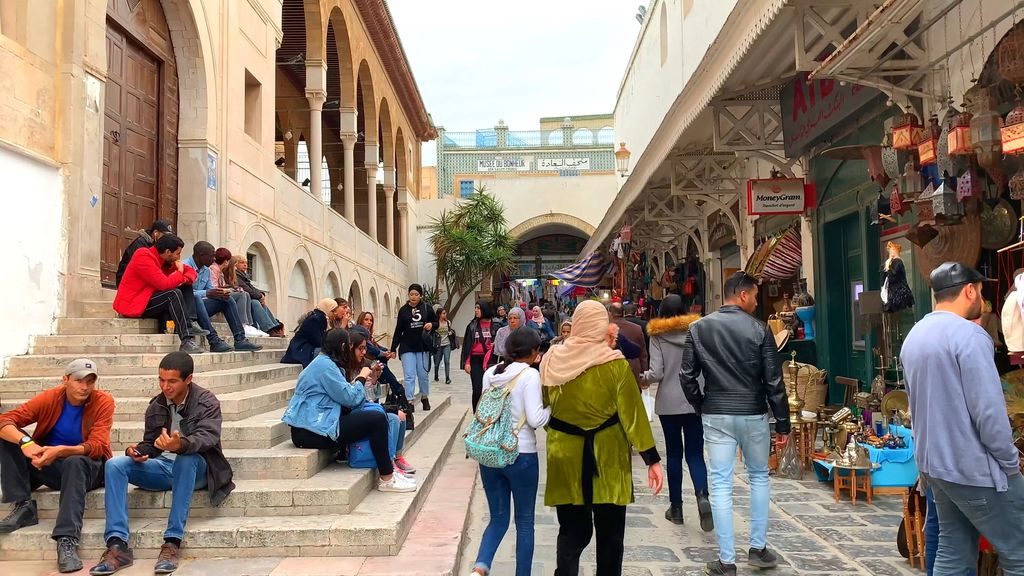
15. Don’t bypass the central markets. Clothes, cosmetics, and soap are sold there. The most interesting ancient bazaars can be found in the medinas of Sousse, Mahdia, and Monastir. At the market, you can buy oriental decorative items and small pieces of furniture.
16. Wi-fi is not available everywhere in Tunisia. To access the internet, you can buy a SIM card at a mobile phone store. The most popular operator is Ooredoo. The cost of a SIM card is $3, but there will be no credit on the account. ATMs for topping up do not exist in Tunisia; instead, you can buy a top-up card at any tobacco shop. Typically, 250 megabytes of internet costs $0.36. If you have any issues with crediting the funds, the sellers will definitely help you.