Žilina (Slovakia) – detailed information about the city with photos. Main attractions of Žilina with descriptions, guides, and maps.
City of Žilina (Slovakia)
Žilina (Slovak: Žilina, Hungarian: Zsolna, German: Sillein) – one of the most beautiful cities in Slovakia, which “breathes” history. Located in the northwest of the country, it is the capital of the region of the same name. Žilina is among the largest Slovak cities and boasts a charming historical center with significant German architectural influence. Its heart is the seven-century-old Mariánské Square, around which several ancient landmarks are located. Žilina is one of the most dynamically developing cities in Slovakia and a major industrial center, considered the unofficial capital of its northwest.

Geography and Climate
Žilina is located in the northwest of Slovakia at the confluence of three rivers: Váh, Kysuca, and Rajčanka. The average altitude is 342 meters above sea level. The city is surrounded by mountain ranges and has a moderate continental climate with warm summers and cool (usually quite snowy) winters.
Žilina is an important transport hub connecting Vienna and Bratislava with Kraków and Warsaw, as well as Košice with Ostrava and Prague.
Practical Information
- Population – over 82,000 people.
- Area – 80.03 km².
- Language – Slovak.
- Currency – Euro.
- Visa – Schengen.
- Time – Central European (UTC +1, summer +2).
- The nearest international airport is located in Bratislava. Žilina is also connected by rail to the capital of Slovakia, Prague, Warsaw, and Moscow.
- Typical dishes – bryndzové halušky and strapačky.
Hotels in the City on the Map
History
Slavs settled in the vicinity of Žilina as early as the 5th century. A settlement on the site of the modern city was founded in the 11th century. Žilina was first mentioned in 1297 and received city rights in 1327. In the second half of the 10th century, the city became part of the Kingdom of Hungary and remained part of Hungary until 1918. At the end of the 13th century, Žilina was devastated by a great fire. Later, the city was rebuilt by Saxon colonists, hence the significant influence of German architecture. In 1431, Žilina was burned by the Hussites.
The 15th century was a period of prosperity for Žilina as a major trade and craft center. In the 16th and 17th centuries, the city became a center of the Hungarian Reformation. The 18th century was dramatic for Žilina, as the city suffered from severe fires and epidemics. In the 19th century, its prosperity was linked to industrialization. Today, Žilina is one of the largest cities in Slovakia, a major industrial, educational, and cultural center.
Landmarks and Attractions
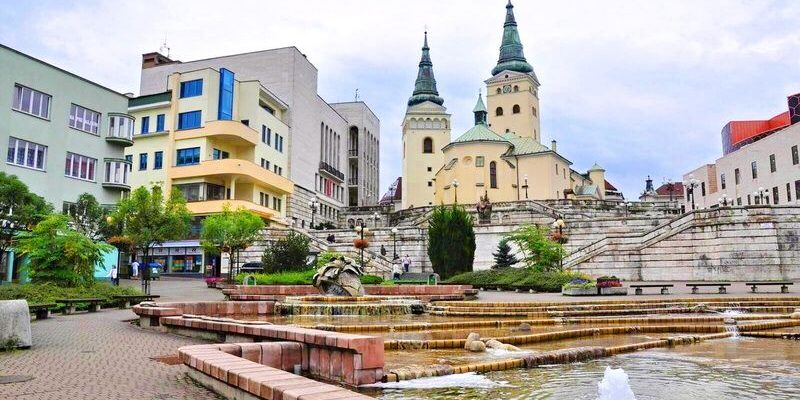
The Old Town of Žilina is very compact and quite charming, retaining its historical atmosphere and charm. Its heart is the ancient Mariánské Square.

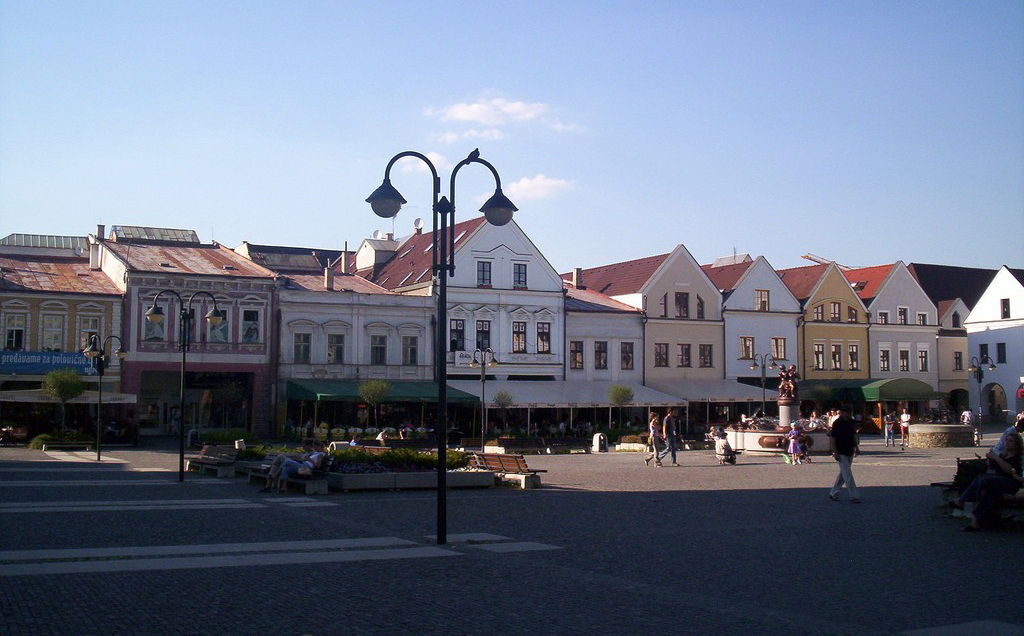
Mariánské Square (formerly Market Square, Round Square, and Franz Joseph Square) is the historical core of Žilina, surrounded by old houses with arcades in the German architectural style. The square was founded 700 years ago. The first mentions of a market here date back to 1464. Initially, the square was surrounded mainly by wooden houses, which were replaced by stone ones after a fire in 1521. In the center stands a Baroque statue of the Virgin Mary from the 18th century.

Church of the Holy Trinity – an ancient cathedral, one of the symbols of Žilina. It was built in the 14th century on the foundation of a medieval castle. In the 16th century, the original Gothic church was rebuilt and acquired Renaissance architectural features. The main altar dates back to the late 17th century.
Burian’s Tower – a free-standing bell tower of the cathedral, one of the oldest Renaissance bell towers in Slovakia. It was built in the 16th century following the example of Italian campaniles and rebuilt in the 18th and 19th centuries.
City Hall – a historic building first mentioned in the early 16th century. This building (with original Gothic cellars) has been reconstructed many times – from its original Gothic and Renaissance state to its current form in the 19th century.

Church of Saints Peter and Paul – a Jesuit Baroque church built in the 18th century on the site of five original Renaissance houses.
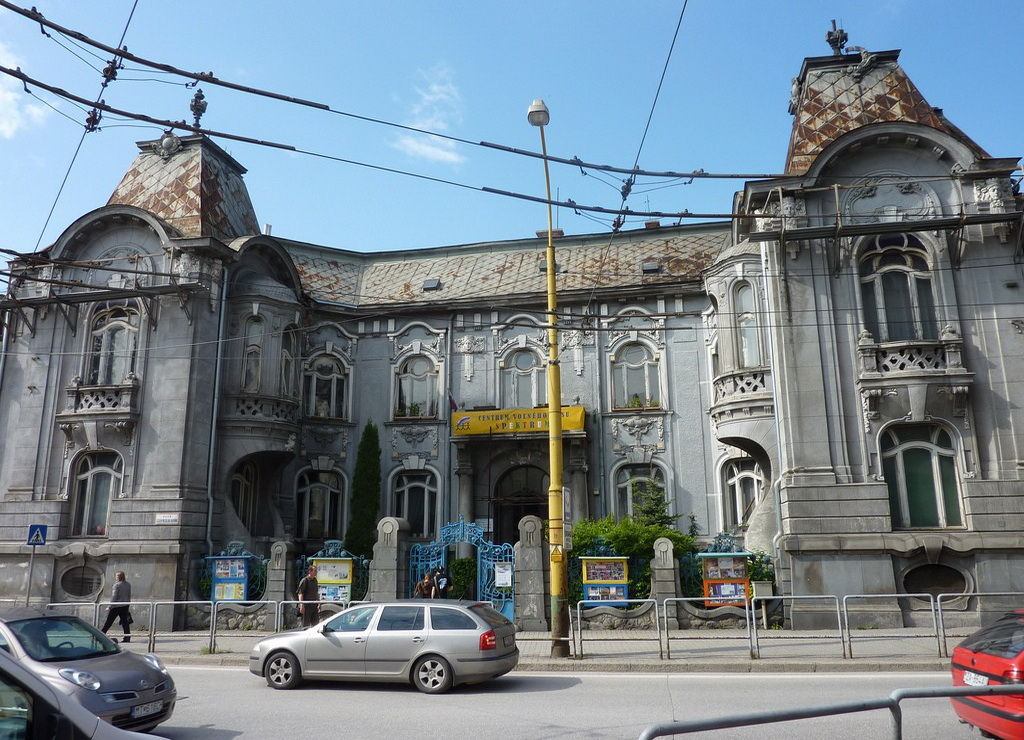
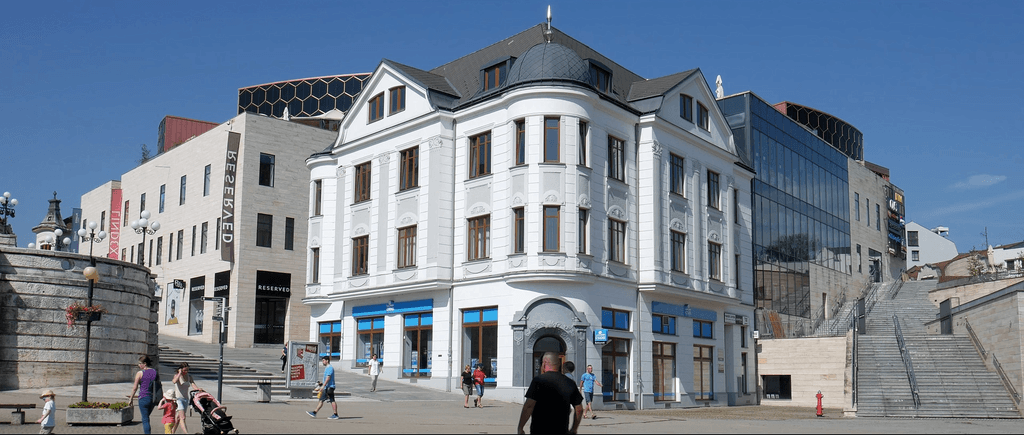
Rosenfeld Palace – a miniature model of Vienna’s Belvedere and one of the most beautiful Art Nouveau buildings in Žilina. Dating back to the early 20th century, it is a national cultural monument.
Church of St. Barbara – a Franciscan church built in the first half of the 18th century, the first Baroque sacral building in Žilina.

Budatín Castle – a magnificent historical monument in the vicinity of Žilina. The construction of the stone castle began in the second half of the 13th century. Its largest and oldest part is a massive four-story cylindrical Romanesque tower with elements of early Gothic architecture, later rebuilt in the Renaissance style. The modern structure stands on the site of the original water castle, which guarded the trade route to Silesia.
Video

Žilina: A City Where History Meets Modernity
Žilina is not just a city on the map of Slovakia, but a true journey through time. From medieval narrow streets to modern industrial complexes, it impresses with its diversity. Mariánské Square, majestic churches, Budatín Castle – every corner of the city tells its unique story. But Žilina is not just about the past. It is a city that is dynamically developing while preserving its historical charm. Here, everyone will find something for themselves: from architecture lovers to nature enthusiasts, from gourmets to historians. Žilina awaits you to reveal its secrets and inspire new experiences. Are you ready for this journey?