Who Do They Target Most, and Can You Make Yourself ‘Unappetizing’ to Them?
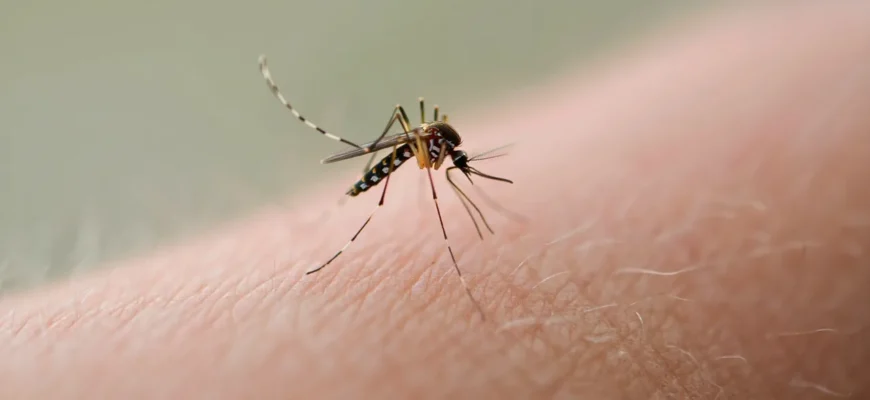
Mosquito bites are hardly unexpected for humans—these pesky insects inhabit nearly every latitude on the planet. Many people don’t even pay attention to bloodsuckers, and sometimes, that ends badly. Any mosquito can carry an infection, and some species transmit dangerous diseases: dengue fever, yellow fever, malaria, or the Zika virus. There are also individual allergic reactions.
Why do mosquitoes avoid some people while relentlessly targeting others, leaving them suffering from hives, itching, and other symptoms? Let’s find out.
Why Mosquitoes Bite
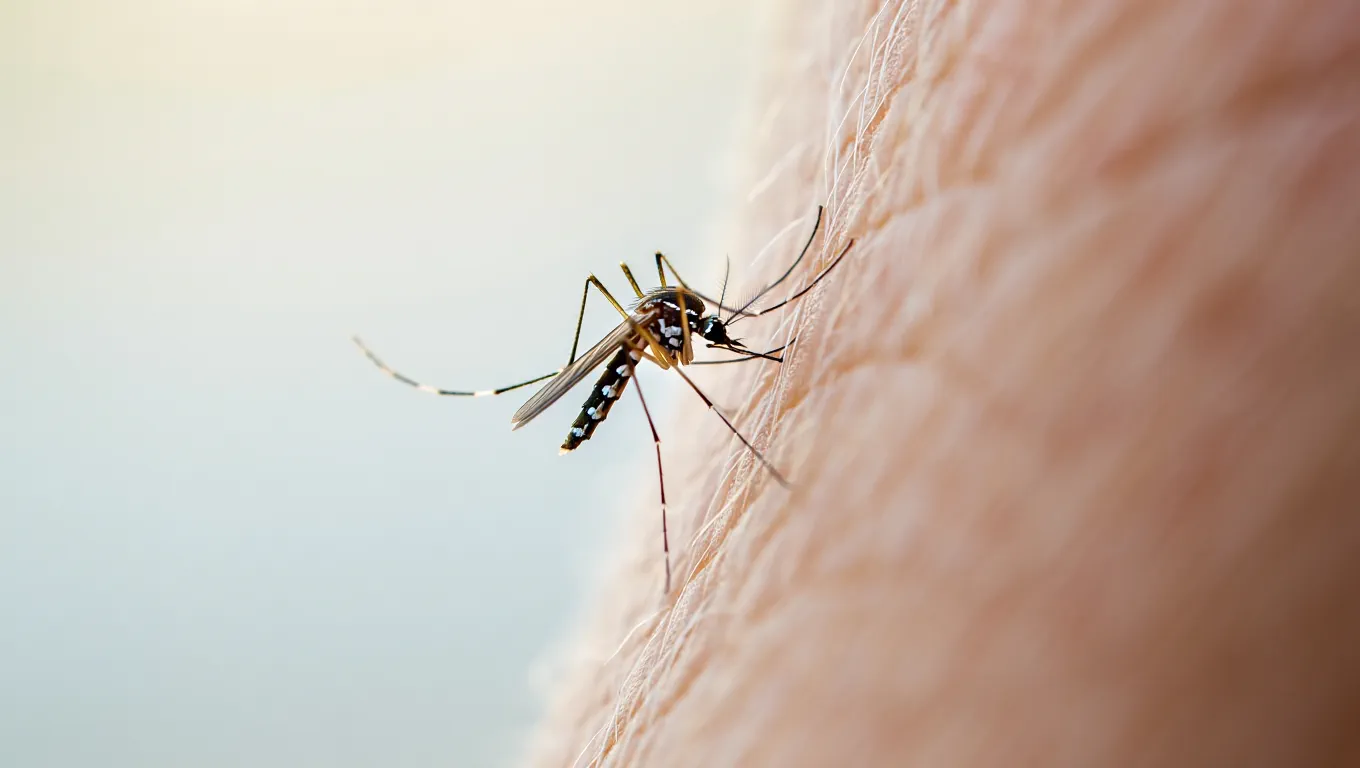
So why do mosquitoes bite? The answer is simple—to survive. They need protein from human and animal blood to reproduce.
This is why only female mosquitoes bite, while males are completely harmless.
How Mosquitoes Choose Their Victims
A few years ago, scientists discovered that mosquitoes track their prey in a straightforward way—by following traces of carbon dioxide. In other words, if a human or animal breathes within a few dozen meters of a mosquito, the tiny vampire will lock onto its target.
But that’s not the only way mosquitoes find their victims. Bloodsucking insects can also detect human presence through body odors and heat. Once they land on a host, they use “taste sensors” on their legs to find the perfect spot to bite. The rest is just a matter of technique.
Why Don’t Mosquitoes Bite Everyone?
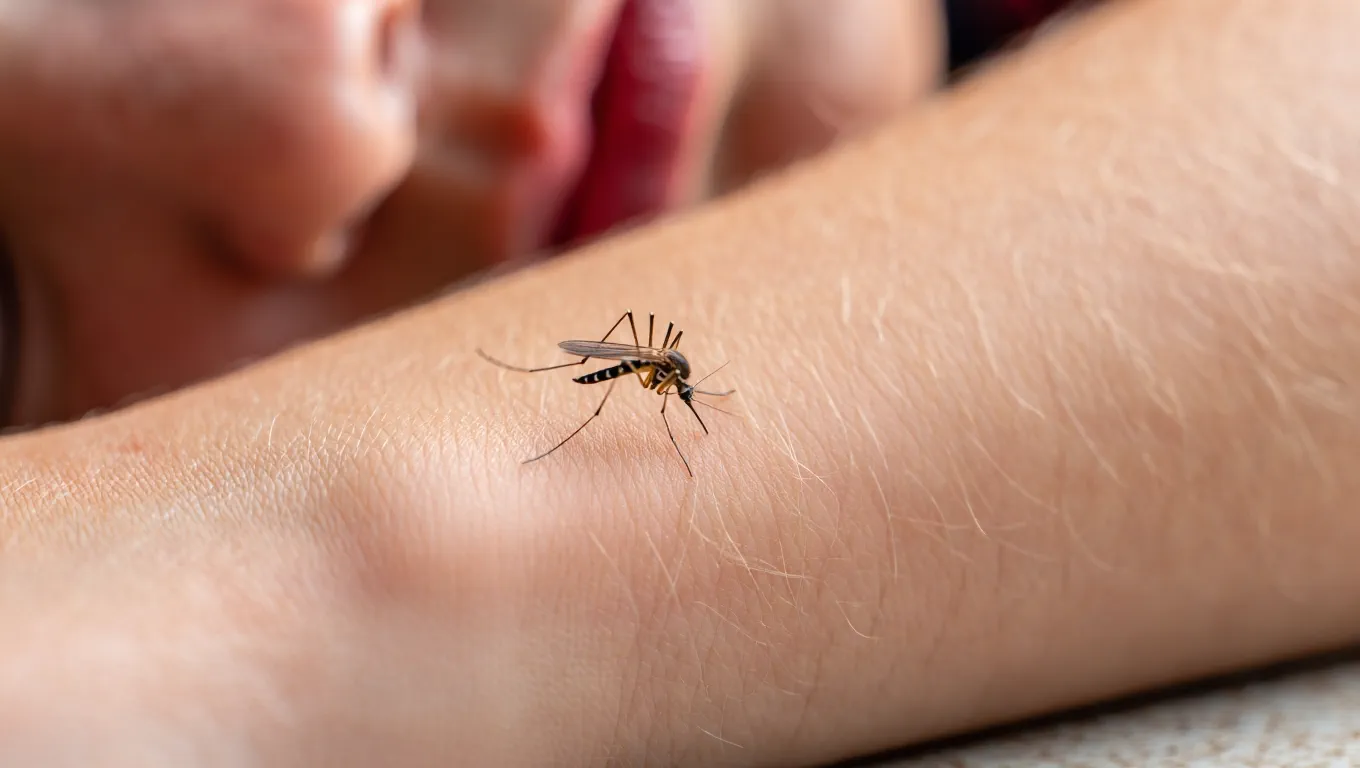
Oddly enough, some people can spend an entire summer day outdoors without a single mosquito bite, while others—despite dousing themselves in repellent—still end up covered in itchy welts after just 10 minutes outside.
Why do mosquitoes prefer some people over others? Several studies suggest that mosquitoes are indeed selective, favoring certain “tastier” individuals. About one in five people fall into the category of highly attractive targets for these bloodsuckers. Scientists are still debating the reasons—some argue that genetics play a key role, while others believe scent is the primary factor.
Biologists confirm that mosquitoes’ ability to detect odors remains intact even if they lose multiple receptors. Different receptors respond to different smells, essentially giving them a “backup system.” Odor receptors in mosquito antennae bind with chemicals in the environment and send signals to the brain via neurons.
Which Scents Attract Mosquitoes the Most?
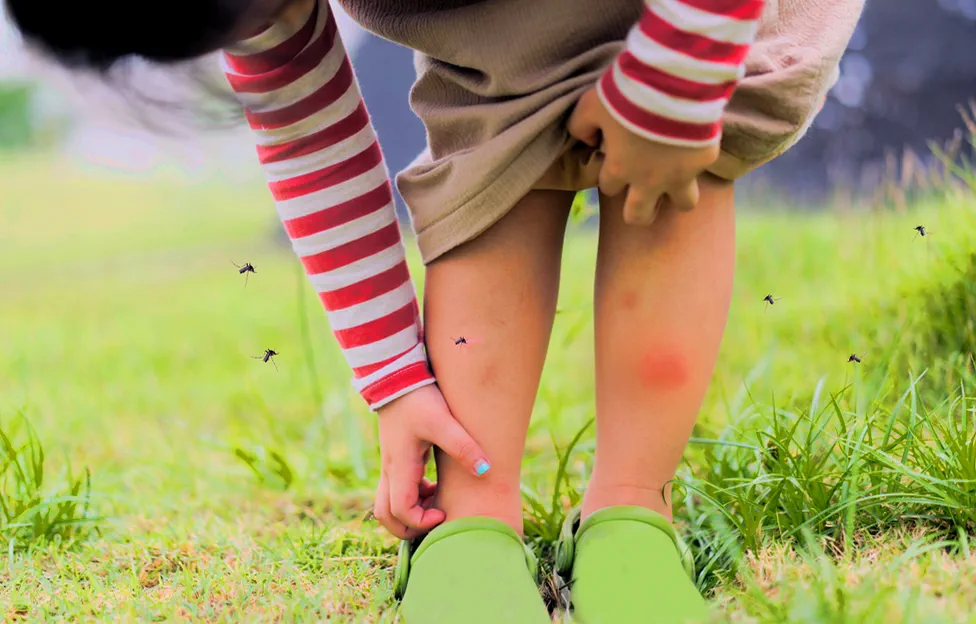
There’s no single “mosquito-attracting” human scent—or at least, science hasn’t discovered it yet. Similarly, there’s no definitive explanation for why some people are mosquito-proof. However, experts highlight several factors that might make you a frequent target:
- Body size. Larger people exhale more carbon dioxide, making them more appealing to mosquitoes. So if an adult and a child are nearby, the mosquito will likely go for the adult.
- Sweat. Perspiration from heat or exercise releases lactic acid and ammonia—irresistible to mosquitoes. Even if humans don’t notice your sweat, mosquitoes certainly will.
- Body temperature. Mosquitoes are drawn to warmth. People with higher body temperatures—whether from fever, heat, or exercise—are more likely to get bitten.
- Pregnancy. Studies suggest pregnant women attract more mosquitoes. This makes sense—they exhale more CO₂ and have slightly higher body temperatures.
- Skin bacteria. The microbes on your skin produce distinct chemical byproducts. Some research indicates that less diverse skin microbiomes may make you more appealing to mosquitoes.
- Diet. Some believe that what you eat affects mosquito attraction. A myth suggests garlic and vitamin B-rich foods repel them, but doctors say otherwise. However, food can influence metabolism, raising body temperature and sweat production.