Scientists have explained why avocados spoil quickly — and how to keep them fresh for a long time. As soon as you cut an avocado, within just a couple of hours, the juicy green fruit turns into an unappetizing brown piece. Many are sure that this is a sign of spoilage, but in reality, it’s all about chemistry.
As explained by Matthew Fatino, an expert in subtropical crops from the University of California, avocado flesh contains an enzyme called polyphenol oxidase (PPO). When we cut the fruit, the cells are damaged, and this enzyme reacts with oxygen from the air.
Next, a chain of natural transformations begins: PPO interacts with phenolic compounds, which give the avocado its aroma and antioxidant properties. As a result of the reaction, melanin is formed — the same pigment that colors the flesh brown. This process even has a scientific name — enzymatic browning.
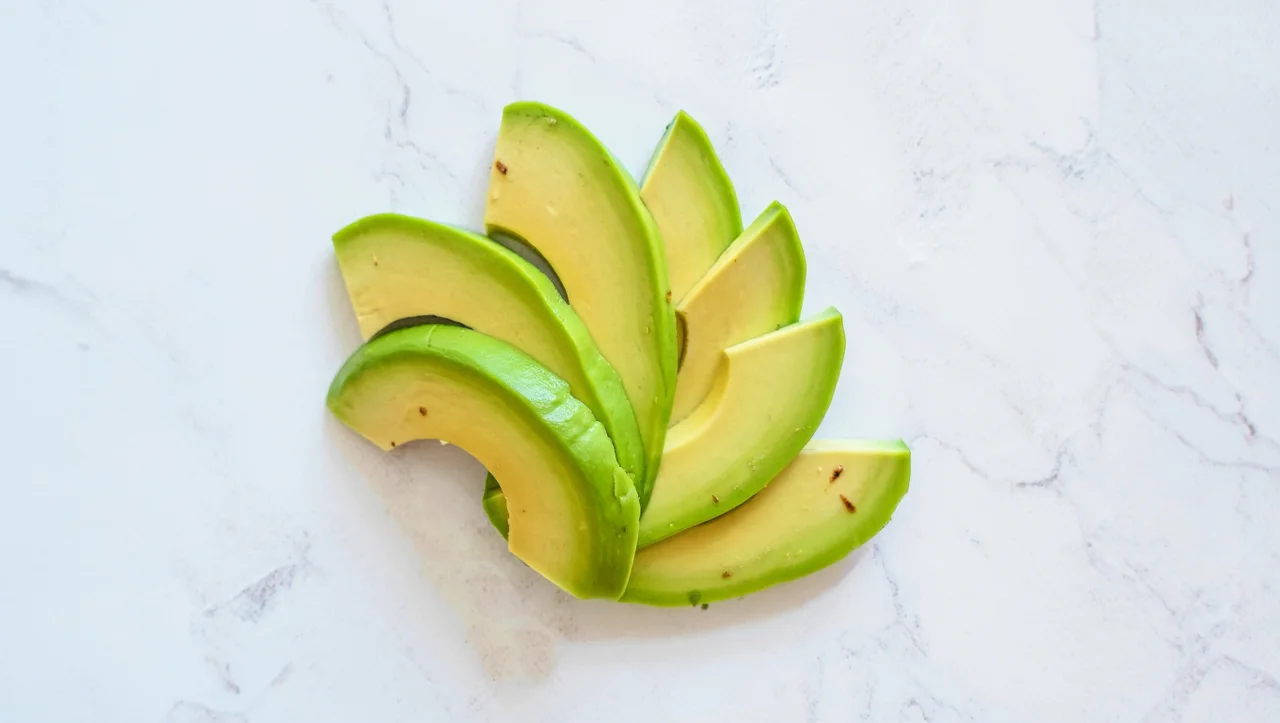
According to Fatino, browning is not just a cosmetic defect, but a natural oxidation process that causes the fats in the avocado to begin to break down. After all, it is for these fats that we love the fruit so much: for its “buttery” texture and delicate taste. However, upon contact with oxygen, the fats gradually acquire a bitter aftertaste.
But don’t rush to throw away a browned avocado. As dietitian Sarah Alsing notes, only the top layer turns brown, and it’s enough to cut off a couple of millimeters to see the bright green flesh again. If you’re making guacamole, a slight bitterness won’t be noticeable at all. The main thing is not to leave the cut fruit out for too long.
“If you wait a few days, the taste can indeed become rancid,” warns Fatino.
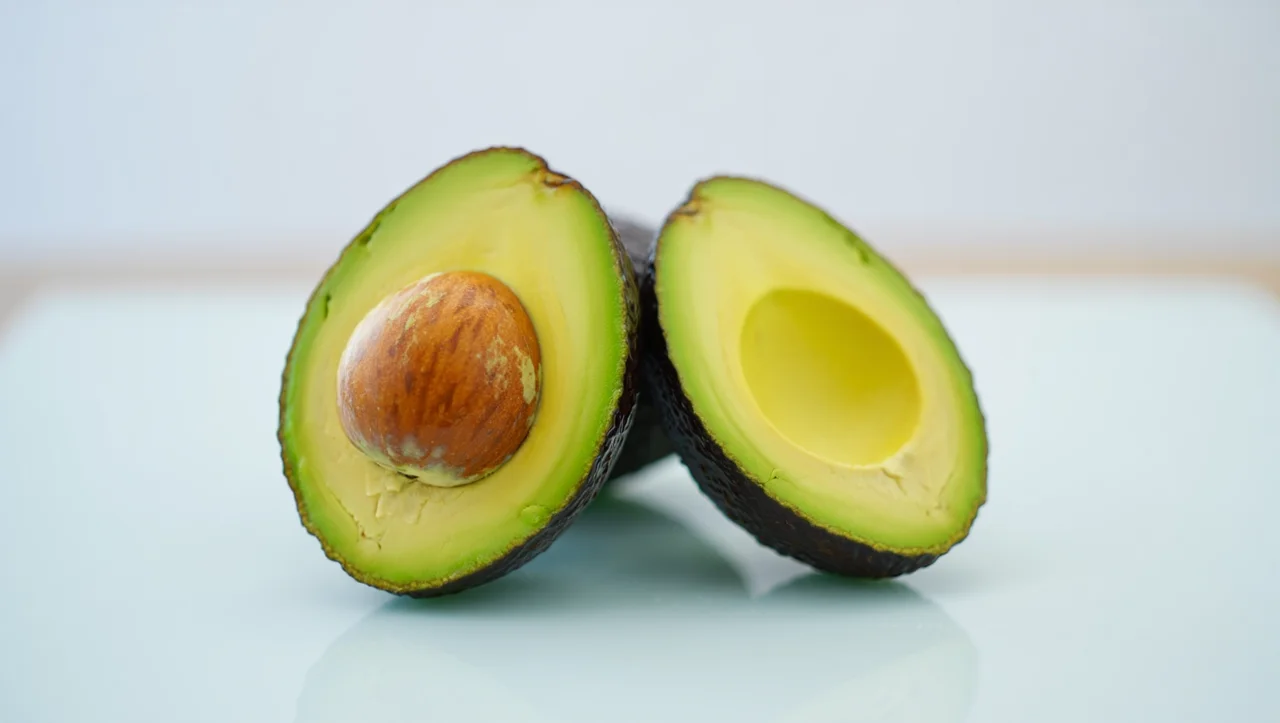
There are also folk tricks to slow down this process. The most famous one is to leave the pit. It partially covers the flesh, preventing oxygen from getting inside. Therefore, under the pit, the avocado remains green even after a few hours.
Another simple solution is to use an acidic environment. This is why many people sprinkle avocado with lemon or lime juice: the citric acid contained in citrus fruits prevents oxidation and preserves the fresh color for a long time. Manufacturers use the same trick by adding a little lemon juice to cut fruits and ready-made salads.
If you are making guacamole, cover it with plastic wrap so that it touches the surface — this will prevent air from destroying the structure of the puree. An airtight container will also work.
Interestingly, sometimes an avocado has fibrous strands inside. This is not a defect at all — just “vascular bundles” that transport water and nutrients to the seed. Such strands are more common in fruits picked from young trees.
As the plant ages or when overripe on the tree, the avocado can also become more fibrous. If the fruit hangs for too long, the seed begins to sprout, and the tree directs more nutrients to it, making the flesh denser.
Avocado is generally a rather finicky plant: it does not tolerate either heat or cold. Just a couple of extra degrees of frost can damage the crop, and exhausting heat forces the tree to shed its fruits.
So if your avocado has turned brown — don’t rush to say goodbye to it. It’s not spoilage, but a natural chemical reaction. Just cut off the top layer, add a little lime juice — and enjoy the healthy and tasty fruit. After all, the right storage approach will extend its life, and yours — the pleasure of the perfect toast with guacamole.