
China is like a separate planet that is not like the one we are familiar with. Therefore, you need to prepare for a trip there with great care: taking a supply of things that will be difficult to get in the country for certain reasons, and learning the rules of behavior. “Mandry is ready to give a number of tips that will help you feel almost at home in China.
1. China is the fourth largest country in the world, so you won’t be able to “quickly drive around” all of its most famous sights. Plan your route in advance and remember that public transportation works very well, but its schedule can be difficult to navigate due to the large number of characters.
2. The best time to travel to China is in April, the second half of May, June and September, when the cities are not as hot as in July and August. In the winter months, hotels in some regions of the country can be uncomfortable: not everywhere has central heating, but there is air conditioning that can be turned on for heating. However, it may not be possible to connect it to a specific room separately, and the general heating will not be turned on because, according to the hotel administration, the room is “not that cold”.
3. Before traveling, carefully study the calendar of Chinese holidays and weekends and do not come to the panda’s homeland at this time. The Chinese themselves are big fans of traveling around their country, and there are more than a billion of them. Therefore, on holidays and weekends, there are simply too many people in tourist destinations in China.
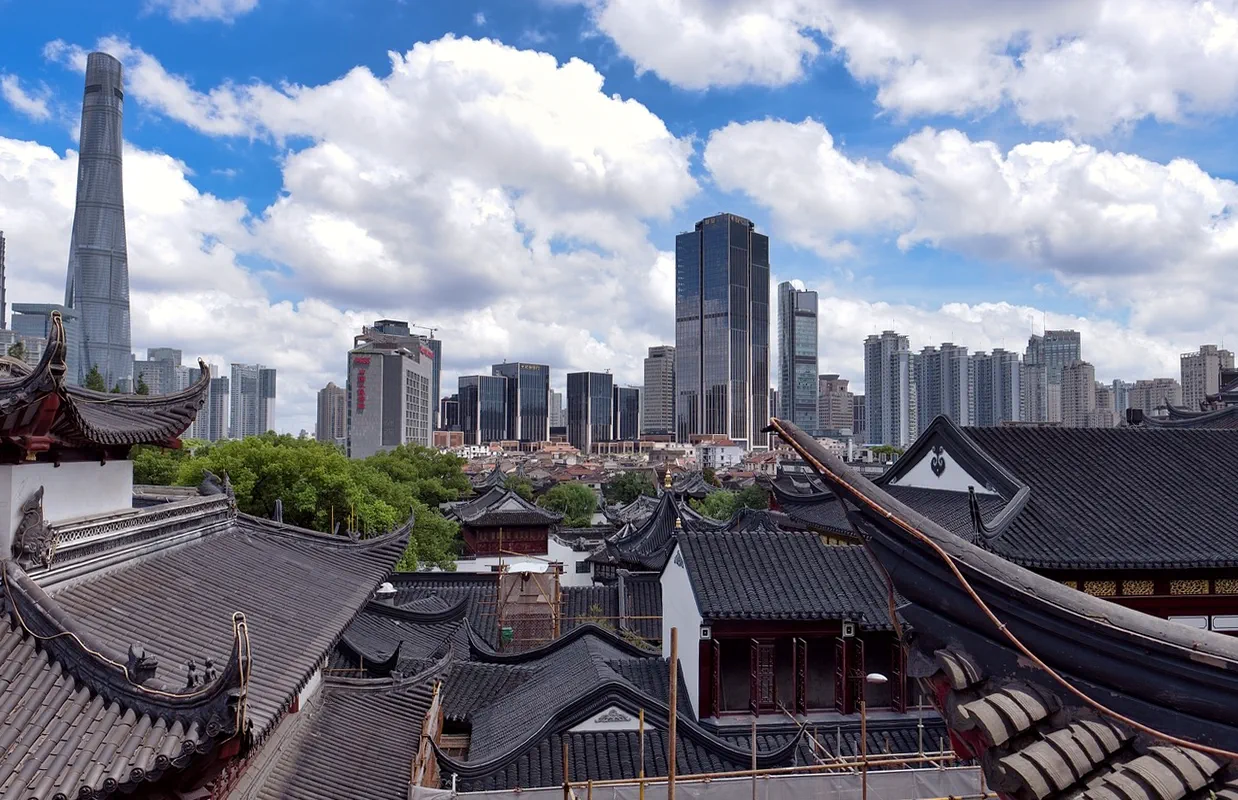
4. In China, there is a rule: the early riser gets the best of the empty sights. So, if your goal is to see the key points like the Great Wall, the Terracotta Army, or the Longmen cave temples, go there early in the morning before the huge tourist buses with hundreds of Chinese people dock there.
5. Those traveling abroad are often advised to learn a few phrases in the local language to communicate with the locals. This is not a good idea for a trip to China. In their language, intonation is very important, so it is very easy to get into a ridiculous situation by saying the right word, but incorrectly, which will turn it into vulgarity or swearing.
6. In many cities of China, there are still hotels that do not accept foreigners because they need to be registered in a special way. For those who are traveling as part of a tour group, this is not a problem: the organizers will provide everything in advance.
But for independent tourists, it is extremely important to make sure that the hotel has the right to accommodate foreigners before arrival. You can read about this in the reviews or ask the administration of the complex directly.
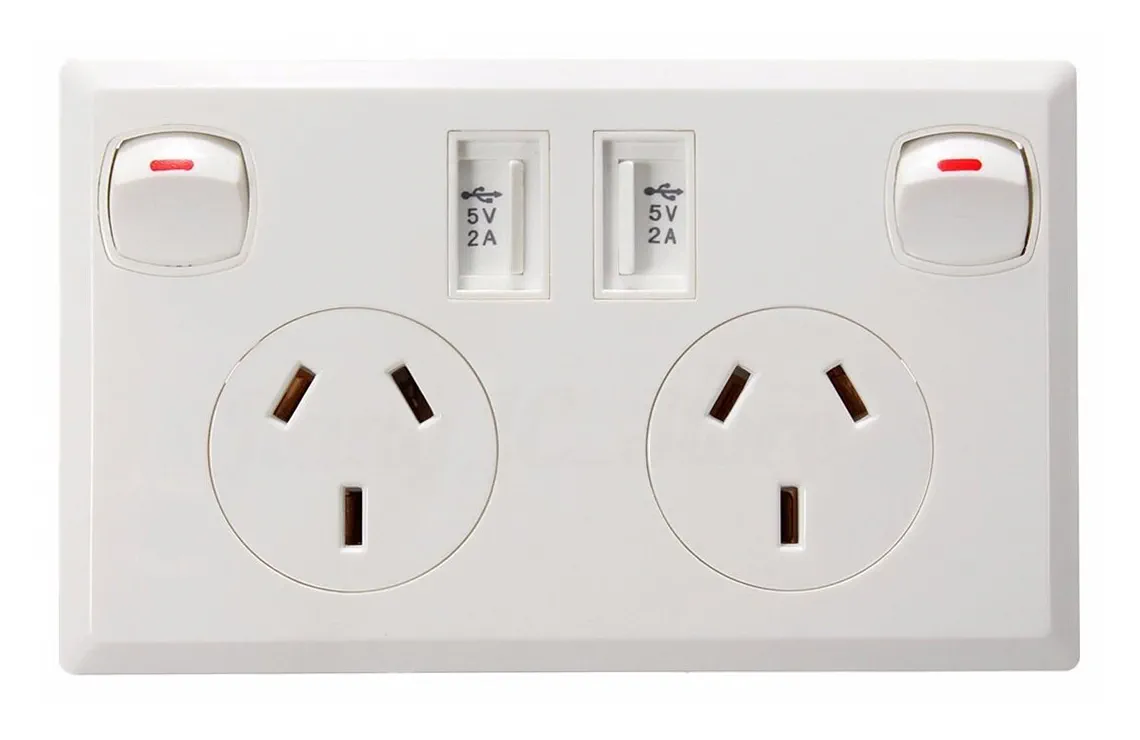
7. Take a universal outlet adapter with you on your trip just in case. What if you are unlucky and the room or cafe where you wander in, hoping to recharge your gadget, has only an “Australian” outlet for flat-pin plugs? Of course, the chances of this happening are slim, but it’s better to be prepared.
8. Another good idea is to buy a local SIM card upon arrival. With it, you will be able to connect to public Wi-Fi or enjoy all the delights of the mobile Internet if it turns out that the promised free Wi-Fi from the hotel exists only on paper and in the imagination of the administrator.
9. Traveling in China may be the noisiest trip of your life. Locals are used to talking very loudly, there are a lot of them – as well as cars on the roads. So, endless noise and din will accompany you everywhere – from supermarkets and hotels to waterfronts and parks. You just have to accept it.
10. You should not discuss three “T” topics with the Chinese: Tibet, Taiwan, and Tiananmen Square. All of them are related to certain political events, and politics is always a very controversial topic.
Instead, conversations about food, children, or travel are welcomed and always eagerly supported by locals.
11. Despite being progressive, the Chinese still take a lot of superstitions seriously. Buildings here may not have a fourth floor and rooms with numbers containing a four. Noodles are advised to be pulled in while eating, not bitten, so as not to shorten your life. Chopsticks will not be allowed to be stuck in food – it is a bad omen. In general, there are restrictions at every step.
12. Do you not associate China with seaside vacations? And in vain! The Celestial Empire is home to one of Asia’s most popular beach resorts in the South China Sea, Hainan Island, with its beautiful sandy beaches and fashionable hotels.

13. National cuisine is one of the main attractions of China. But do not think that all its dishes are similar to those served in Russian Chinese restaurants. In its homeland, this cuisine is divided by region, and often its dishes are much spicier than those familiar to Russian tourists.
To avoid having to shed tears after a fiery dinner, just tell the waiter “bu yao la” (“I don’t want spicy”).
14. When traveling to China, practice eating with chopsticks. You should not count on the fact that the restaurant will have forks: they are not in use here. But if you don’t want to get used to this device, check out European restaurants in China or buy street food that can be eaten with your hands: spring rolls, pies with minced baozi, kebabs of chicken or seafood, joujiao hamburger.
15. Take with you from your hometown medicines for stomach or intestinal upset and, in general, all the medicines you may suddenly need. Food in China is peculiar, it can cause a real storm in the stomach. And in a pharmacy, you are unlikely to be able to clearly explain what you need.
16. When you go for independent walks in Beijing, Chengdu, Shanghai or other cities, take the necessary minimum of papers with you: a hotel business card with its name in Chinese, a scan of your passport and toilet paper. The latter can often not be found in Chinese restrooms, so it’s better to be prepared for such a trouble in advance.
Another important paper is cash. It is better to bring it from home rather than change it in local banks. But if you do change money in China, be sure to keep a bank certificate. Otherwise, the reverse exchange of balances will be impossible.
17. Do you like to explore new countries while driving a car on your own? Don’t even dream about it in China. Local rental companies do not accept international driver’s licenses, so you can only rent a car with a local driver.