What Unites Microorganisms, Humans, and Air? Exploring the Similarities and Differences
What Is Living and Non-Living Nature
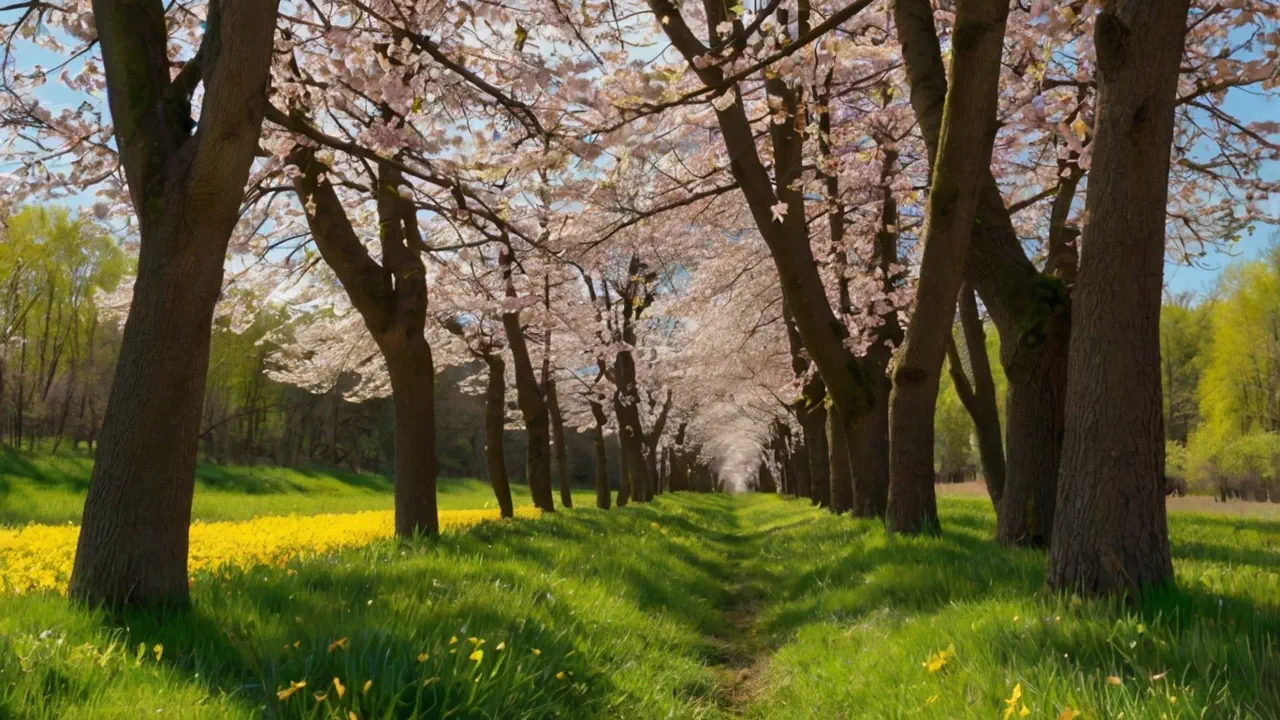
First, let’s recall what nature is. Nature is everything that surrounds humans and was not created by them.
Living nature consists of all natural objects that grow, develop, reproduce, breathe, and consume nutrients. It includes all living beings—from microorganisms and bacteria to animals and humans.
Since ancient times, living nature has been divided into the plant world (flora) and the animal world (fauna), as evidenced by Aristotle’s “History of Animals” and Theophrastus’s “History of Plants.” Today, Earth’s total biomass is approximately 75 billion tons, 90% of which consists of plants.
Non-living nature is a collection of objects that lack life and cannot change. Non-living nature is static, undergoing only external transformations while remaining internally unchanged. Life on our planet originated from non-living nature, which appeared first.
The Connection Between Living and Non-Living Nature
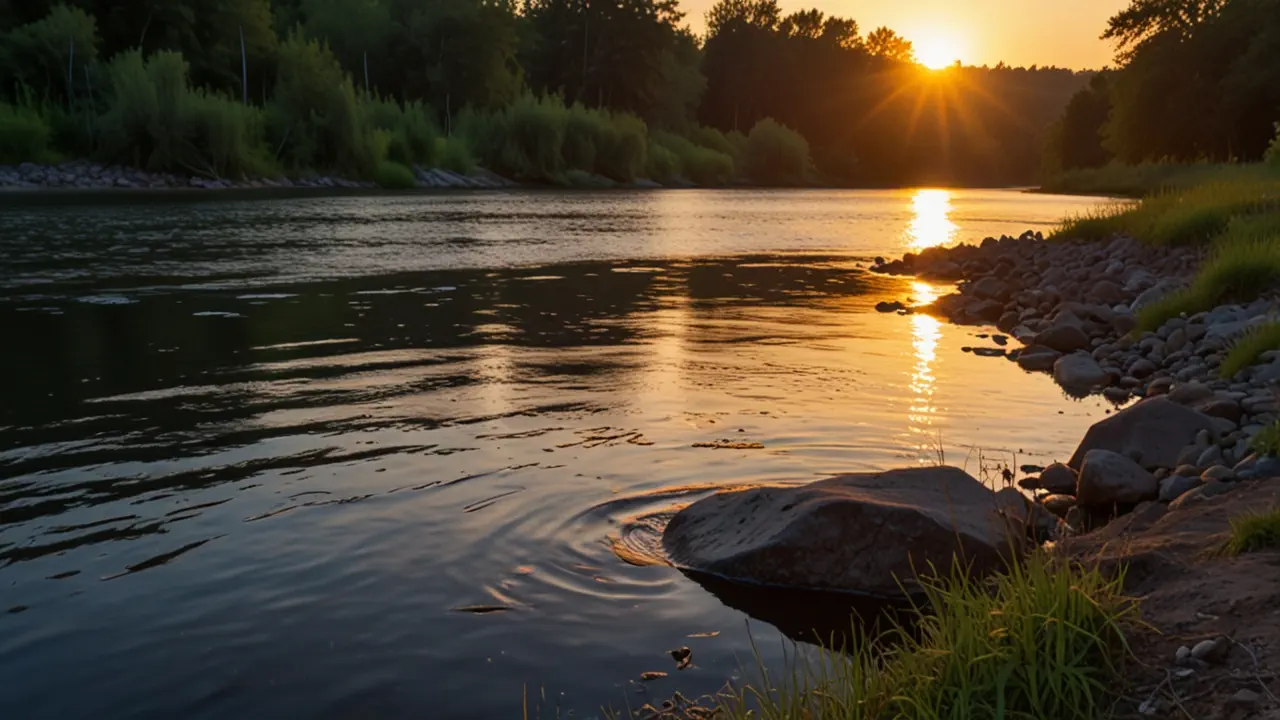
The connection between living and non-living nature is evident at first glance—these objects constantly interact with each other. Living organisms cannot exist without non-living objects because they cannot breathe without air and require sunlight and water to function. After their life cycle ends, all living objects become part of non-living nature.
Similarities Between Living and Non-Living Nature
- Both living and non-living bodies consist of the same chemical elements, differing only in percentage composition—living objects are 98% carbon, nitrogen, hydrogen, and oxygen.
- All these elements are made of atoms and molecules.
- All natural bodies have mass, shape, and color.
- Both are found across the globe: on land and in the ocean, in scorching deserts and icy polar regions, we encounter both living organisms and non-living natural objects.
Differences Between Living and Non-Living Nature
- Non-living objects do not develop, breathe, consume nutrients, or move independently.
- Non-living bodies do not grow, unlike living organisms, and do not reproduce or pass genetic material to future generations.
- Non-living objects cannot adapt to changing environmental conditions, exhibit minimal variability, and do not respond to stimuli.
- Living organisms have a cellular structure, while non-living objects lack such complexity.
- Living beings undergo metabolism, whereas non-living objects do not.
- Living creatures have a limited lifespan, unlike non-living objects.
Objects of Living Nature

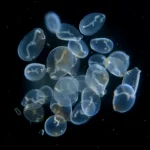
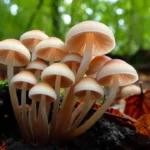
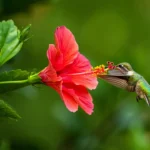
Objects of living nature include microorganisms, flora, fauna, fungi, and humans.
- Microorganisms — single-celled organisms and bacteria. Viruses also fall into this category—entities on the boundary between living and non-living nature. These were the first living beings to appear on Earth. Most scientists believe microorganisms emerged in water over three billion years ago. They are known for rapid reproduction and survival in extreme conditions.
- Flora — the plant world. Thanks to plants absorbing carbon dioxide and releasing oxygen, Earth developed a breathable atmosphere. Did you know there’s a plant with a root system as large as Vatican City? Learn more in our article on the world’s largest plants.
- Fauna — the animal kingdom, the most diverse in species. Animals inhabit all parts of Earth. Read our article on the rarest animals.
- Fungi — often grouped with flora, but they feed on organic matter like animals.
- Humans — the peak of evolution, possessing all traits of living nature and capable of significantly impacting natural elements.
Objects of Non-Living Nature

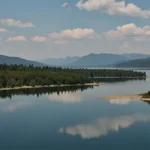

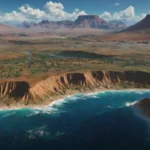
Objects of non-living nature include the lithosphere, air, water, and the Sun.
- Lithosphere — Earth’s solid, rocky shell, home to mountains and plains. Soil, a key element, connects the lithosphere, atmosphere, and hydrosphere. Decomposed organic matter in soil forms minerals over time. Soil fertility influences the nutrition of most living organisms.
- Air — essential for respiration in all living beings.
- Water — the cradle of life on Earth. Without water, living organisms can survive only briefly. For many, water is a habitat and a crucial part of the food chain.
- The Sun — its light and heat enabled life on Earth. Insufficient sunlight causes health issues in living beings. This category also includes the Moon, planets, asteroids, and stars.
The primary task of humans, as intelligent beings, is to preserve both living and non-living elements of nature to maintain the delicate balance that sustains our planet.