Thailand, a country renowned for its breathtaking landscapes, rich cultural heritage, and warm hospitality, beckons travelers to explore its diverse offerings. From the bustling streets of Bangkok to the serene beaches of Phuket, and from the mountainous terrain of Chiang Mai to the historical wonders of Ayutthaya, Thailand presents a tapestry of experiences waiting to be discovered. For those seeking the freedom to explore at their own pace, car rental in Thailand emerges as an enticing option.
This comprehensive guide delves into every aspect of renting a car in Thailand, equipping you with the knowledge to make informed decisions and embark on an unforgettable journey through the Land of Smiles.
- Understanding Car Rental Options in Thailand
- Popular Car Rental Companies in Thailand
- Choosing the Right Vehicle for Your Thai Adventure
- Essential Requirements for Car Rental in Thailand
- Tips for Meeting Rental Requirements:
- Navigating Thai Roads: Essential Knowledge for Foreign Drivers
- 1. Basic Road Rules
- 2. Speed Limits
- 3. Traffic Conditions
- 4. Driving Etiquette
- 5. Road Signs
- 6. Fuel Stations
- 7. Parking
- 8. Emergency Services
- Navigating Specific Regions
- Pricing Factors: Understanding the Cost of Car Rental in Thailand
- Money-Saving Tips for Car Rental in Thailand
- Insurance: Protecting Yourself on Thai Roads
- Additional Insurance Considerations:
- Conclusion: Making the Most of Your Thai Driving Adventure
- Key Takeaways:
Understanding Car Rental Options in Thailand
Thailand’s car rental market offers a variety of choices to cater to different travel styles and needs. Let’s explore the main types of rentals available:
- Self-drive rentals
- Ideal for independent travelers
- Offers maximum flexibility in itinerary planning
- Requires familiarity with Thai traffic rules and confidence in driving in a foreign country
- Chauffeur-driven services
- Perfect for those uncomfortable with driving in Thailand
- Allows you to relax and enjoy the scenery
- Often includes local knowledge from the driver
- Long-term rentals (30 days or more)
- Cost-effective for extended stays
- Usually offers better rates compared to short-term rentals
- May include additional perks like free maintenance or insurance upgrades
- Short-term rentals (daily or weekly)
- Flexible option for brief trips or specific portions of your journey
- Higher daily rates compared to long-term rentals
- Ideal for travelers who only need a car for part of their stay
Popular Car Rental Companies in Thailand

The Thai car rental market features a mix of international brands and local companies. Here’s a closer look at some popular options:
International Brands:
- Avis
- Hertz
- Budget
- Sixt
- Enterprise
Pros:
- Familiar booking processes for international travelers
- Often have newer vehicle fleets
- Standardized policies across locations
Cons:
- May be more expensive than local options
- Less flexibility in negotiating rates or policies
Local Thai Rental Agencies:
- Thai Rent A Car
- Chic Car Rent
- Sawasdee Rent A Car
- Budget Car Rental Thailand (different from the international Budget)
Pros:
- Often more affordable than international brands
- May offer more personalized service
- Better understanding of local driving conditions and customer needs
Cons:
- Booking process might be less streamlined
- Potential language barriers for non-Thai speakers
When choosing between international and local companies, consider factors such as price, vehicle selection, customer reviews, and your comfort level with potential language barriers.
Choosing the Right Vehicle for Your Thai Adventure
Selecting the appropriate vehicle can significantly impact your travel experience in Thailand. Consider the following factors when making your choice:
- Travel group size
- Luggage requirements
- Planned itinerary (city driving vs. rural exploration)
- Budget
- Comfort preferences
Here’s a detailed breakdown of common vehicle types available for rent in Thailand:
| Vehicle Type | Pros | Cons | Best For | Average Daily Rate (THB) |
|---|---|---|---|---|
| Compact Cars (e.g., Toyota Yaris, Honda City) |
|
|
|
800 – 1,200 |
| Sedans (e.g., Toyota Corolla, Honda Civic) |
|
|
|
1,000 – 1,500 |
| SUVs (e.g., Toyota Fortuner, Honda CR-V) |
|
|
|
1,500 – 2,500 |
| Vans (e.g., Toyota Commuter, Hyundai H1) |
|
|
|
2,000 – 3,000 |
| Luxury Vehicles (e.g., Mercedes-Benz C-Class, BMW 3 Series) |
|
|
|
3,000 – 5,000+ |
Remember, these rates are approximate and can vary based on factors such as location, season, and demand. Always compare quotes from multiple providers to ensure you’re getting the best deal.
Essential Requirements for Car Rental in Thailand
Before you can hit the road in Thailand, you’ll need to meet certain requirements. Here’s a comprehensive list of what you’ll need:
- Valid Driver’s License
- Must be in English or accompanied by an official translation
- Should be valid for the entire duration of your rental period
- International Driving Permit (IDP)
- Required by law for foreign drivers in Thailand
- Must be obtained in your home country before travel
- Valid for one year from the date of issue
- Passport
- Must be valid for at least 6 months beyond your planned stay
- Credit Card
- Required for the security deposit (usually 5,000-20,000 THB)
- Must be in the primary driver’s name
- Debit cards are generally not accepted
- Age Requirements
- Minimum age: Usually 21 years old
- Some companies require drivers to be 23-25 for certain vehicle types
- Maximum age: Some companies have upper age limits (often around 70-75)
- Additional Documentation
- Proof of address (e.g., utility bill)
- Return flight ticket
- Thai visa or entry stamp
Tips for Meeting Rental Requirements:
- Obtain your IDP well in advance of your trip
- Bring multiple forms of identification
- Have digital and physical copies of all required documents
- Check with your rental company for any specific requirements they may have
Navigating Thai Roads: Essential Knowledge for Foreign Drivers
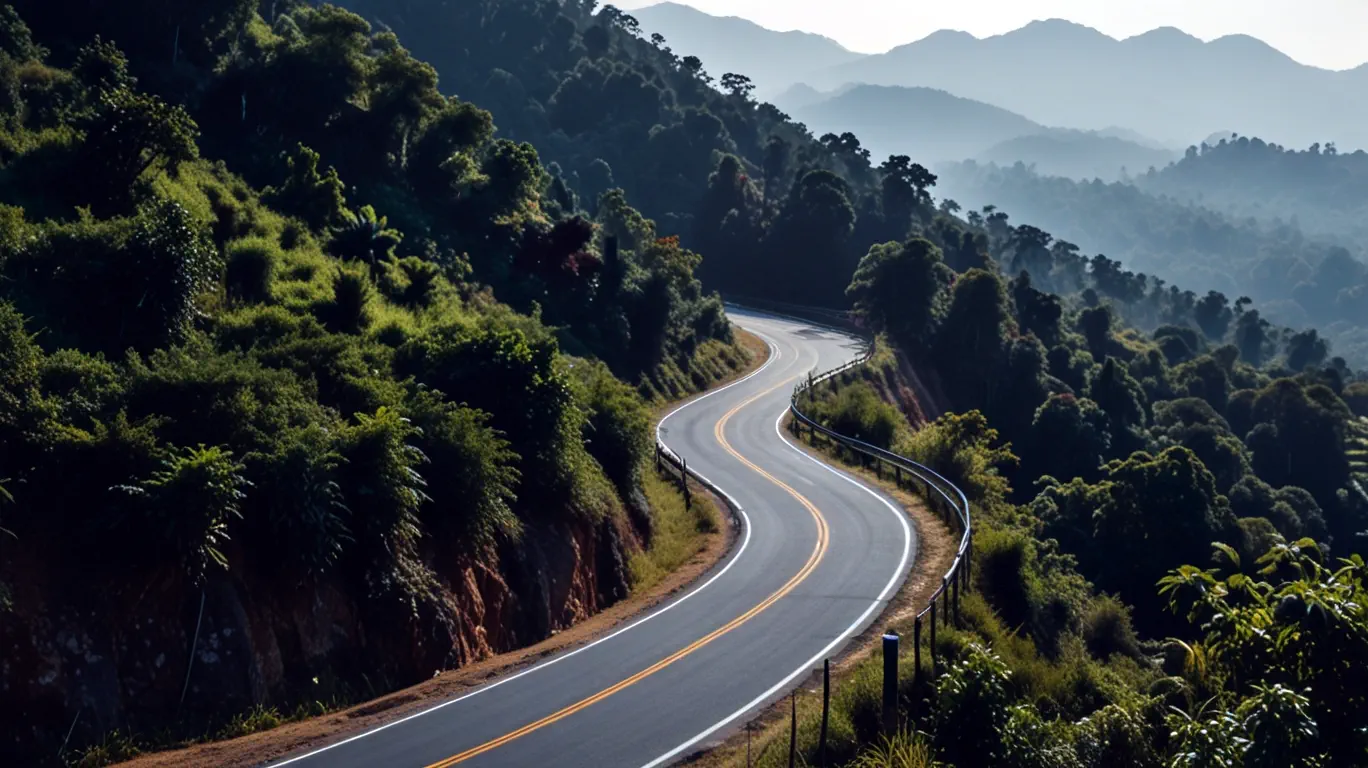
Driving in Thailand can be an exhilarating experience, but it comes with its own set of challenges. Here’s what you need to know to navigate Thai roads safely:
1. Basic Road Rules
- Drive on the left side of the road
- Seatbelts are mandatory for all occupants
- Helmets are required for motorcycle riders
- It’s illegal to use a mobile phone while driving
2. Speed Limits
- Urban areas: 50-60 km/h
- Open roads: 90 km/h
- Highways: 120 km/h
- Always observe posted speed limits, as they may vary
3. Traffic Conditions
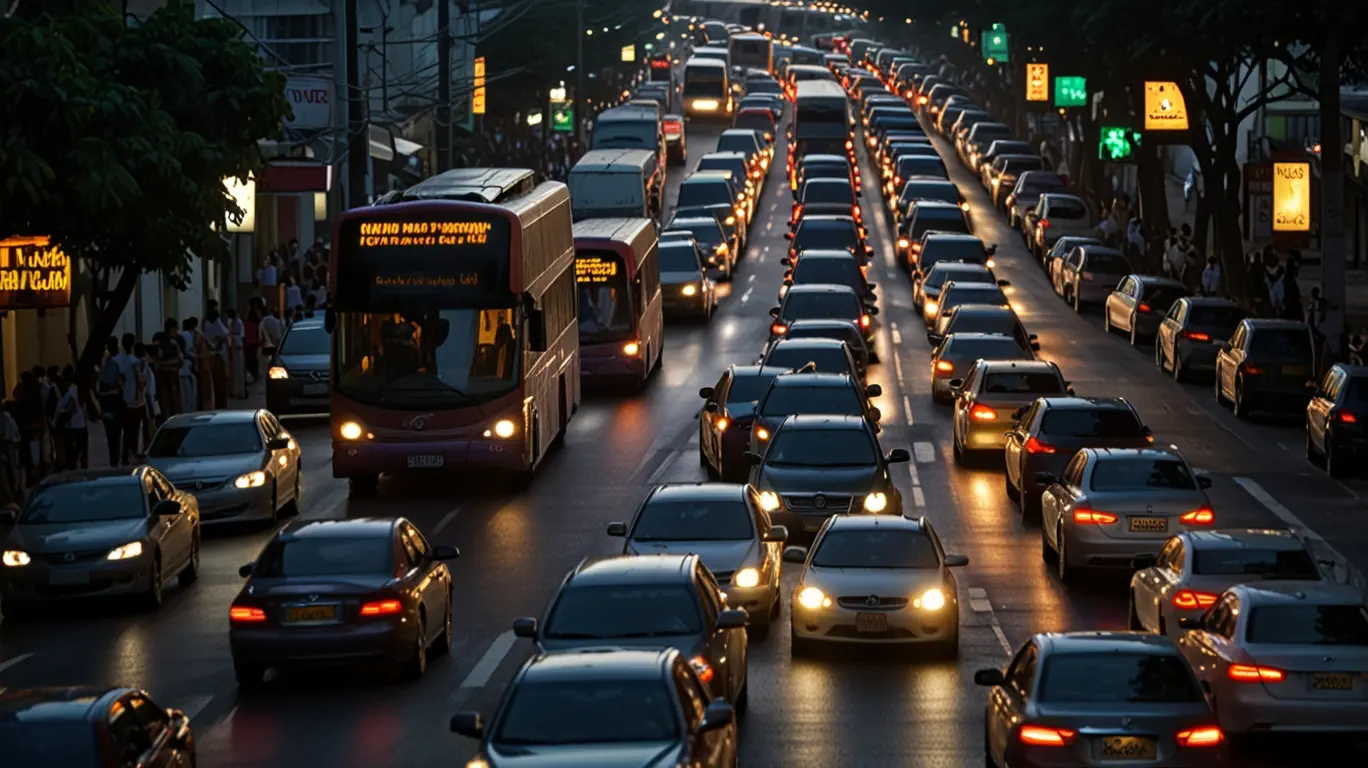
- Major cities like Bangkok experience heavy congestion, especially during rush hours (7-9 AM and 4-7 PM)
- Rural roads may be less maintained and poorly lit at night
- Be prepared for unexpected obstacles like street vendors or animals on the road
4. Driving Etiquette
- Thai drivers often use horns as a form of communication, not necessarily aggression
- Flashing headlights usually means a driver is coming through, not giving way
- Be extra cautious with motorcycles, as they often weave through traffic
5. Road Signs
- Most road signs are in both Thai and English
- Familiarize yourself with common Thai road signs before your trip
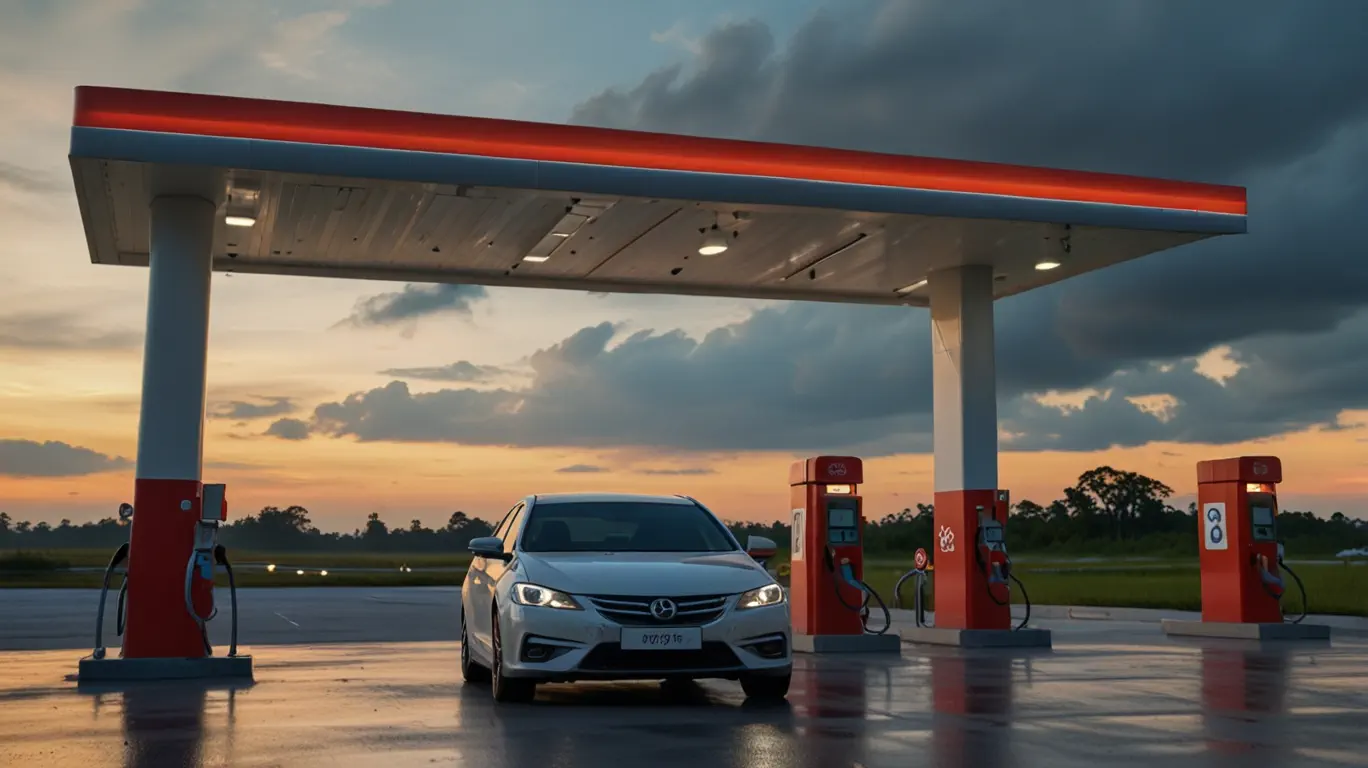
6. Fuel Stations
- Widely available in urban and tourist areas
- Less common in rural regions, so plan accordingly
- Most stations are full-service, with attendants filling your tank
7. Parking
- In cities, look for designated parking areas or parking buildings
- Avoid parking in no-parking zones, as fines can be hefty
- Some hotels offer free parking for guests
8. Emergency Services
- Police: 191
- Ambulance: 1669
- Tourist Police: 1155
Navigating Specific Regions
Different regions of Thailand present unique driving challenges:
- Bangkok: Heavy traffic, complex road systems, limited parking
- Phuket: Hilly terrain, narrow roads in some areas, heavy tourist traffic
- Chiang Mai: Mountainous roads, potential for fog or rain
- Rural Areas: Variable road conditions, limited lighting at night
Pricing Factors: Understanding the Cost of Car Rental in Thailand
The cost of renting a car in Thailand can vary significantly based on several factors. Understanding these can help you budget effectively and potentially save money:
- Vehicle Type
- Economy cars are the cheapest, luxury vehicles the most expensive
- SUVs and vans fall in the middle range
- Rental Duration
- Longer rentals often come with discounted daily rates
- Weekly rates are usually cheaper than daily rates
- Season
- High season (November to April) sees increased prices
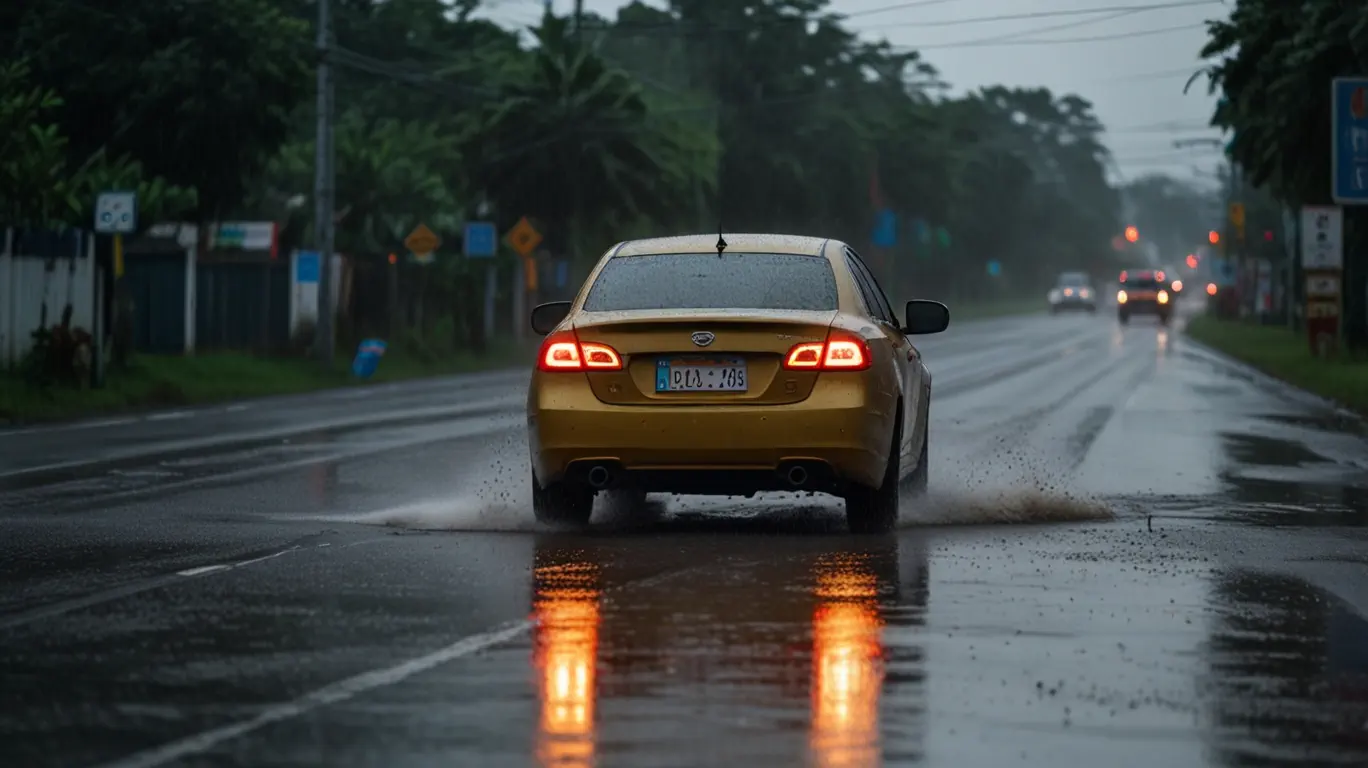
- Low season (May to October) offers better rates but comes with rainy weather
- Location
- Airport rentals often include surcharges
- Popular tourist destinations may have higher rates
- Insurance Coverage
- Basic insurance is usually included, but comprehensive coverage costs extra
- Consider your travel insurance and credit card coverage before purchasing additional insurance
- Additional Services
- GPS navigation systems, child seats, additional drivers all add to the cost
Money-Saving Tips for Car Rental in Thailand
- Book in advance, especially for high season travel
- Compare prices across different rental companies
- Look for package deals that include insurance and GPS
- Consider picking up your rental away from the airport to avoid surcharges
- Join loyalty programs for potential upgrades or discounts
- Check for promotional codes or discounts online
- Opt for a fuel-efficient vehicle if you plan to do a lot of driving
- Avoid unnecessary extras like premium GPS units or satellite radio
Insurance: Protecting Yourself on Thai Roads
Adequate insurance coverage is crucial when renting a car in Thailand. Here’s a breakdown of common insurance options:
| Insurance Type | Coverage | Pros | Cons | Recommended For |
|---|---|---|---|---|
| Compulsory Third-Party Liability (CTPL) | Covers damage or injury to third parties |
|
|
All renters (mandatory) |
| Collision Damage Waiver (CDW) | Covers damage to the rental car in case of an accident |
|
|
Most renters, especially in high-traffic areas |
| Super Collision Damage Waiver (SCDW) | Similar to CDW but with a lower or zero excess |
|
|
Cautious renters or those unfamiliar with Thai roads |
| Personal Accident Insurance (PAI) | Covers medical expenses for the driver and passengers |
|
|
Those without comprehensive travel insurance |
| Theft Protection | Covers loss of vehicle due to theft |
|
|
All renters, especially in urban areas |
Additional Insurance Considerations:
- Check your credit card benefits, as some offer rental car insurance coverage
- Review your travel insurance policy for potential overlaps in coverage
- Understand the excess (deductible) amounts for each type of coverage
- Be aware of any exclusions in the policies (e.g., damage to tires, windshield, or undercarriage)
- Consider purchasing additional liability insurance if you’re concerned about potential lawsuits
Remember, while insurance adds to the cost of your rental, it can save you significant stress and expense in case of an accident or theft.
Conclusion: Making the Most of Your Thai Driving Adventure
Renting a car in Thailand opens up a world of possibilities for exploring this beautiful and diverse country. From the bustling streets of Bangkok to the serene beaches of Phuket, and from the mountainous terrain of Chiang Mai to the historical wonders of Ayutthaya, having your own wheels gives you the freedom to discover Thailand at your own pace.
Key Takeaways:
- Ensure you have all necessary documents, including an International Driving Permit
- Choose a vehicle that suits your itinerary and comfort level
- Familiarize yourself with Thai traffic laws and driving customs
- Consider insurance options carefully for peace of mind
- Embrace technology to enhance your driving experience
- Be prepared for different driving conditions across seasons and regions
- Respect local cultures and drive responsibly
Whether you’re navigating city traffic, cruising along coastal roads, or winding through mountain passes, car rental in Thailand offers an unparalleled opportunity to create your own adventure. With proper planning and a spirit of adventure, your Thai road trip will be an unforgettable experience filled with stunning landscapes, cultural discoveries, and the joy of the open road.
Safe travels and enjoy your journey through the Land of Smiles!