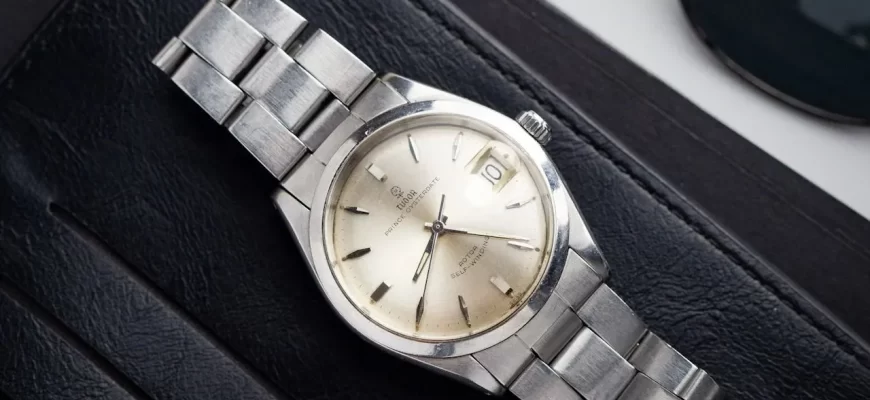
The wristwatch: an emblem of style, a tool of timekeeping, and a subtle but powerful business card in corporate settings. Far from mere ornamentation, the wristwatch holds a vital role in a business professional’s wardrobe. Specifically, 20th-century vintage wristwatches offer an unparalleled blend of craftsmanship and design. These iconic pieces not only serve a functional purpose but also communicate expertise, taste, and, at times, power. While smartwatches and digital devices are certainly convenient, they haven’t eclipsed the cachet of traditional timepieces. A Rolex or Patek Philippe from the mid-20th century isn’t just an accessory; it’s a statement. In this article, we delve into the art of timeless elegance, focusing on business wristwatches that have left an indelible mark since the 20th century.
- The Evolution of the Wristwatch
- Wristwatches in the Business World
- The Golden Age: 20th Century Watches
- Why Vintage?
- Timeless Designs
- Investment Value
- Iconic 20th Century Business Wristwatches
- Rolex Day-Date
- Omega Seamaster
- Patek Philippe Calatrava
- How to Choose a Vintage Business Wristwatch
- Consider the Occasion
- Verify Authenticity
- Budget and Investment
- Maintenance and Care
- Regular Cleaning
- Professional Servicing
- Storage
- Conclusion
The Evolution of the Wristwatch
From battlefield utility to boardroom essential, the wristwatch has undergone a fascinating transformation. In World War I, soldiers needed quick access to time. Pocket watches wouldn’t cut it, leading to the wrist-adapted “trench watches.” Post-war, these functional marvels transitioned into symbols of sophistication and style. High society took note, and wristwatches entered the realm of formal attire.
Wristwatches in the Business World
In the corporate sphere, time is, quite literally, money. A wristwatch, therefore, becomes more than a convenient tool—it signifies punctuality and precision, essential qualities in any business venture. But let’s not overlook its communicative value. A vintage Cartier or Vacheron Constantin can serve as a talking point, subtly underscoring your attention to detail and appreciation for craftsmanship.
The Golden Age: 20th Century Watches
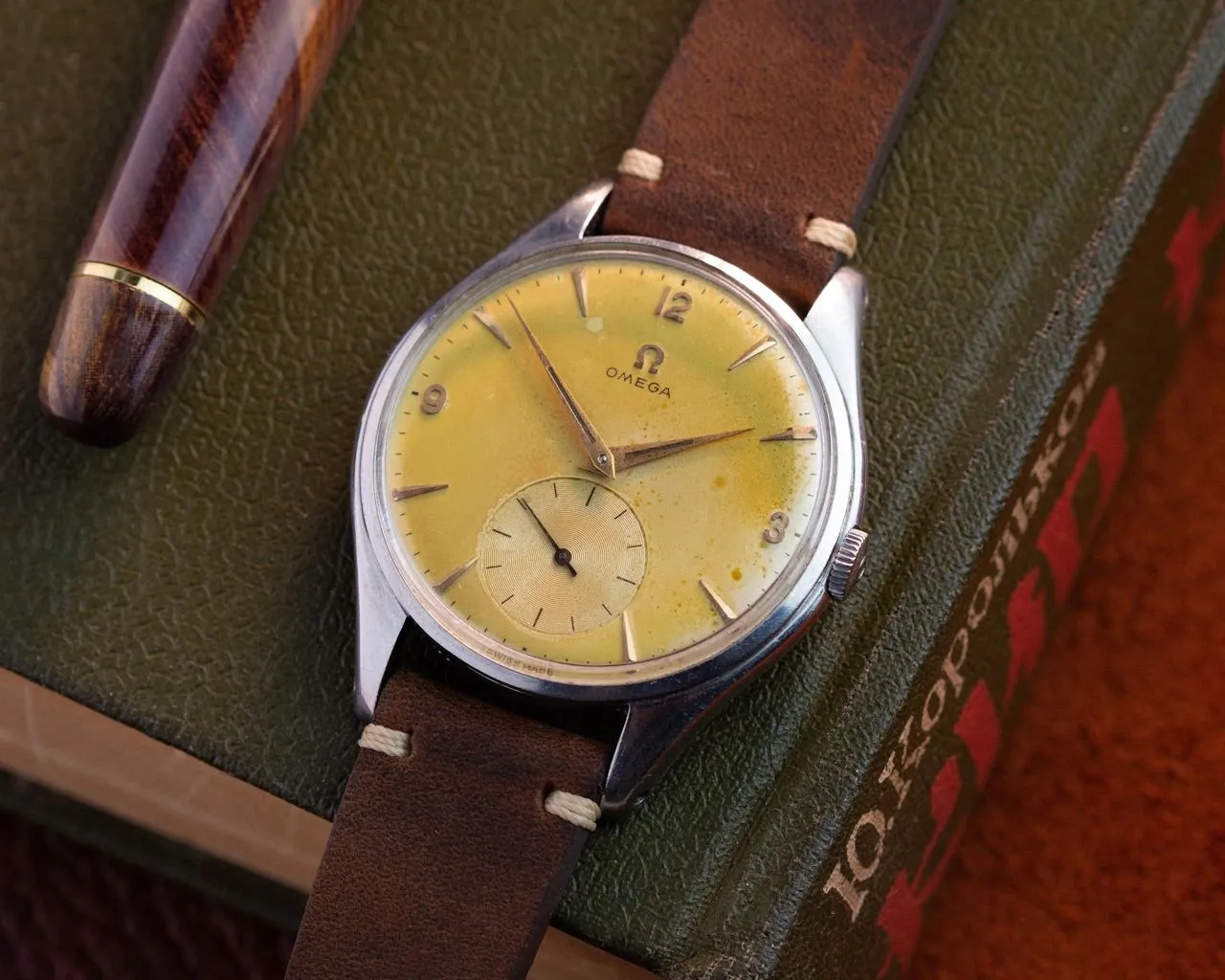
The 20th century can rightly be termed the “Golden Age” of wristwatches. The Swiss emerged as masters of this art, producing iconic models that continue to fascinate connoisseurs. Think Rolex Submariner, introduced in 1953, waterproof and as suited to underwater exploration as to corporate boardrooms. Omega’s Speedmaster, the first watch on the Moon, illustrates a mastery of precision, crucial for both astronauts and CEOs. Then there’s Patek Philippe’s Calatrava, epitomizing understated elegance since 1932, its minimalism speaking volumes. These vintage pieces hold historical narratives, making them not merely timekeepers but time capsules. They’re a heritage, a legacy, often passed from one generation to the next, each tick a nod to their enduring charm.
Why Vintage?
What makes vintage wristwatches an irresistible attraction, especially among business elites? Two words: timelessness and investment. These timepieces transcend generational boundaries, capturing the essence of eras gone by. They offer a tactile connection to history, unparalleled by modern counterparts. The meticulous craftsmanship of vintage watches, often involving hundreds of hand-assembled components, makes them robust and durable—ideal qualities for the frenetic pace of the business world.
Timeless Designs
Consider the Rolex Oyster or the Jaeger-LeCoultre Reverso. Their designs have barely changed over decades, yet they remain incredibly relevant. The reason? They nailed aesthetic universality from the start. They were designed to be functional without sacrificing elegance. Owning a timepiece with such enduring aesthetics serves as a nod to your own timeless judgment in style and function.
Investment Value
Vintage watches, especially those from storied brands like Rolex and Patek Philippe, often appreciate over time. Their value isn’t merely sentimental; it’s financial. Take the Rolex Paul Newman Daytona. In 2017, a model fetched $17.8 million at auction. These watches are like a blue-chip stock; the initial investment might be substantial, but the potential for long-term growth is compelling.
Iconic 20th Century Business Wristwatches
The 20th century birthed timepieces that have stood the test of time—no pun intended. These iconic models have carved their place in horological history, and owning one is akin to possessing a work of art.
Rolex Day-Date
Introduced in 1956, the Rolex Day-Date became synonymous with power and prestige. Crafted exclusively in precious metals, this watch broke ground by simultaneously displaying the day and date. Its “President” bracelet, a term inspired by its popularity among world leaders, lends it a luxurious yet dignified air. Wear one, and you’re in illustrious company; from Kennedy to Reagan, many a president has sported a Day-Date.
Omega Seamaster
The Seamaster, launched in 1948, is Omega’s oldest line still in production. While James Bond may have popularized it in films, its credentials go beyond cinematic allure. It’s a marriage of elegance and utility, originally inspired by the waterproof watches Omega made for the British military. The Seamaster offers versatility—it’s equally at home under the sea as it is in a shareholder meeting.
Patek Philippe Calatrava
With its understated elegance, the Patek Philippe Calatrava stands as a paragon of horological sophistication. Introduced in 1932, the Calatrava sought to embody the Bauhaus principle of form following function. Its thin profile, straightforward dial, and minimalist aesthetics make it an eternal classic. Among collectors and CEOs alike, the Calatrava is the go-to choice for unobtrusive luxury.
How to Choose a Vintage Business Wristwatch
Choosing a vintage wristwatch for business isn’t just a purchase; it’s a calculated investment, both sartorial and financial. Here are some essential guidelines to help you navigate this complex landscape.
Consider the Occasion
While some watches, like the Rolex Day-Date, ooze authority and fit perfectly in high-stake board meetings, others like the Omega Seamaster offer versatility. Think about your average business day. Are you in suits or casual wear? In boardrooms or more relaxed settings? A timepiece that can adapt to different social milieus is a wise choice.
Verify Authenticity
The market is rife with counterfeits, so tread carefully. Always request provenance and documentation. Trusted retailers and certified pre-owned platforms are safe bets. For ultimate peace of mind, consult third-party experts for authentication. Keep in mind that some vintage pieces have undergone restorations; while this doesn’t make them fake, it can affect their value and originality.
Budget and Investment
Balancing personal style and investment potential is key. A Longines or Tissot may not skyrocket in value like a Patek Philippe but offers excellent craftsmanship and class. Set a budget but be prepared for a range; the best pieces often command a premium.
Maintenance and Care
Owning a vintage timepiece is akin to owning a classic car; regular upkeep is imperative.
Regular Cleaning
Use a soft cloth to gently wipe the case and crystal daily. For deeper cleaning, consult professionals. Soap and water may be acceptable for some water-resistant models, but always verify first.
Professional Servicing
Routine service, ideally every 4-5 years, ensures the watch’s mechanical movement stays accurate. This maintenance usually involves cleaning, oiling, and parts replacement when needed.
Storage
When not in use, store your watch in a temperature-controlled, dry environment. Humidity and extremes can be detrimental. A watch box with cushioning offers the best storage, keeping the timepiece both secure and dust-free.
Conclusion
In the realm of business, a wristwatch serves as more than just a functional object; it’s a symbol of your persona and sometimes even an heirloom. Particularly, 20th-century vintage pieces stand as timeless icons that exemplify craftsmanship, investment value, and unparalleled style. By choosing wisely and caring for your investment, you’re not just keeping time—you’re preserving history.