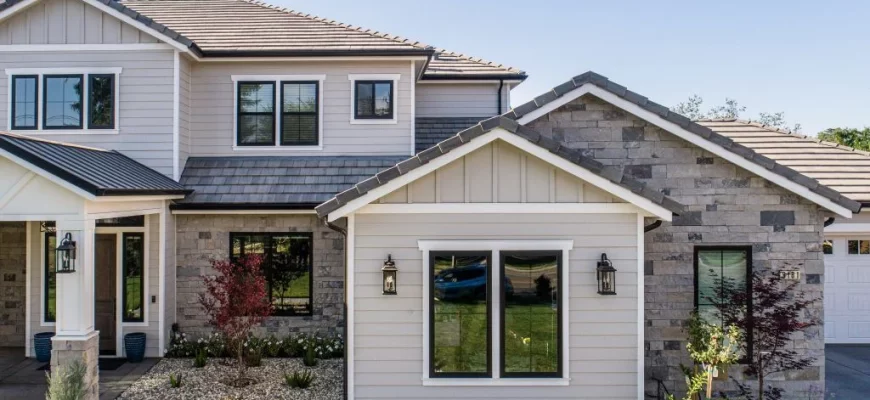
Siding decor, more than mere protection, crafts a home’s first impression. Historically, these materials told stories of origin, status, and architectural prowess. Today, the array of choices lets homeowners express style, history, and environmental commitments. Each selection speaks volumes about its dweller. After all, siding decor is a blend of art and architecture.
- The Evolution of Siding Decor
- Popular Materials for Siding
- Wood
- Vinyl
- Metal
- Fiber Cement
- Decorative Techniques and Trends
- Color Contrasts
- Textural Play
- Integration with Lighting
- Minimalistic vs Ornate
- The Environmental Impact
- Sustainable Siding Materials
- Energy Efficiency and Siding
- Maintenance and Longevity
- Cleaning and Upkeep
- When to Replace or Redecorate
The Evolution of Siding Decor
Tracing back to ancient civilizations, we see humble clay and straw mixtures adorning homes. The Romans, with their classic brick and stone, elevated siding to an art. In the Tudor era, intricate wood designs showcased wealth and craftsmanship. Fast-forward to the 20th century: vinyl and aluminum sidings surged in popularity, offering affordability and varied styles. Today, we see a renaissance of sustainable materials, hinting at society’s shifting environmental priorities. Each era’s choice mirrors its cultural, economic, and technological landscape.
Popular Materials for Siding
Wood
A perennial favorite, wood siding exudes warmth and tradition. Cedar, redwood, and pine reign supreme, each imparting a unique texture and hue. However, its beauty demands maintenance: think staining or painting every few years. While vulnerable to pests and moisture, the right upkeep ensures longevity. Did you know? The oldest wooden houses, found in Europe, are over 500 years old!
Vinyl
Vinyl siding, a post-WWII innovation, boasts versatility. It mimics wood, brick, or stone, offering a palette of colors. It’s low-cost and requires minimal upkeep, resisting pests and rot. However, it’s less durable against impact. A fun fact: Vinyl production surpassed wood siding in the 1970s, signaling its dominance.
Metal
Metal sidings, primarily aluminum or steel, are the modernist’s choice. They’re robust, resisting rot, fire, and pests. A spectrum of finishes, from matte to glossy, caters to varied tastes. However, they can dent, and cheaper variants risk corrosion. An interesting tidbit: Architects prize metal for its recyclability, boosting green building credentials.
Fiber Cement
Marrying durability with aesthetics, fiber cement is a composite of wood fibers, cement, clay, and sand. It withstands weather extremities and deters pests. With a chameleon-like ability, it emulates wood or stucco flawlessly. Its only caveat? It’s heavier, demanding specialized installation. Intriguingly, its invention dates back to the late 19th century, making it an old player in a new guise.
Decorative Techniques and Trends
Color Contrasts
Harnessing opposing colors makes sidings pop and structures stand distinct. Consider charcoal next to crisp white, a duo exuding modernity. The Bauhaus movement championed this contrast technique, believing it highlighted architectural strengths.
Textural Play
Texture in siding is an unspoken language of depth and touch. Smooth sidings emit sleekness, while grainy textures evoke earthiness. Architectural journals lately spotlight “textural juxtapositions” as a visual feast, turning homes into tactile art.
Integration with Lighting
Light accentuates siding, adding layers to its narrative. Downlights on wood sidings deepen grain visuals; sconces against metals amplify reflections. Frank Lloyd Wright, an architectural titan, often mused about light’s transformative power on structure exteriors.
Minimalistic vs Ornate
The tug-of-war between simplicity and complexity defines design epochs. Minimalistic sidings—clean, unadorned—echo Zen principles and resonate with urban modernists. Ornate designs, teeming with details, mirror Baroque opulence. Both find ardent followers, sculpting skylines across eras. A noteworthy insight: current trends indicate a cyclic preference, with each style gaining prominence every few decades.
The Environmental Impact
Sustainable Siding Materials
The building industry’s ecological footprint is undeniable. Enter sustainable sidings: bamboo, reclaimed wood, and recycled metal. Bamboo, a rapid grower, ensures deforestation doesn’t leave a mark. Reclaimed wood sidings repurpose history, reducing waste. Recycled metals, by contrast, slash the mining footprint. Architects’ journals recently highlighted: buildings with these sidings have a 30% lower carbon impact.
Energy Efficiency and Siding
Sidings are unsung heroes in thermal regulation. Fiber cement, with its innate insulation properties, trims down energy bills. Thick wood sidings, too, act as barriers against heat loss. Metal sidings, when coated with reflective paints, bounce back sun rays, cooling interiors. A compelling stat: energy-efficient sidings can cut heating and cooling costs by up to 20%.
Maintenance and Longevity
Cleaning and Upkeep
Siding longevity is a product of diligent upkeep. For wood, biennial sealing prevents moisture ingress and warping. Vinyl, touted for low maintenance, benefits from an annual soapy wash, ridding it of city grime. Metal sidings? They favor occasional checks for oxidation spots. A fact for enthusiasts: consistent cleaning can extend siding life by up to a decade!
When to Replace or Redecorate
Decades-old sidings may signal fatigue through discoloration, warping, or cracks. Pro tip: inspect post-winter for weather-induced wear. Typically, wood sidings require attention every 20 years, while quality vinyl can push 40. Interestingly, historical buildings often opt for restoration over replacement, preserving the original facade.
Siding decor marries aesthetics with functionality, each choice echoing architectural leanings and environmental sensibilities. Beyond sheer visual appeal, it’s about protection, energy efficiency, and sustainable choices. As urban landscapes evolve, so does siding’s role, constantly reinventing while retaining its core essence. A final thought: a building’s skin, its siding, reflects the zeitgeist of its time, making it more than mere decor—it’s a statement.