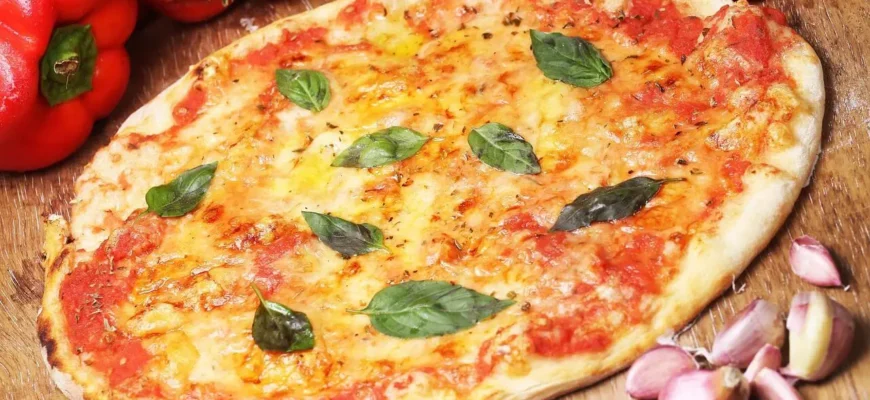
Pinsa romana, contrary to popular belief, isn’t a product of millennia-old tradition but a contemporary innovation born in 2001. This youth doesn’t diminish its value; rather, it demonstrates how Italian cuisine can reinvent itself while keeping its roots firmly planted. Its growing presence in establishments throughout Italy testifies to a shift in consumer preferences, increasingly focused on lightness and digestibility.
Understanding the Real Distinctions Between These Two Icons
Grasping the pinsa vs pizza differences means entering a universe where technique and creativity merge. The distinction doesn’t reside solely in external appearance, but in a series of production choices that radically modify the final product. Every element, from the flour blend to cooking temperature, contributes to creating two profoundly different gastronomic experiences.
The first substantial difference emerges from the dough. Where traditional pizza uses exclusively soft wheat flour with 60-65% hydration, pinsa introduces an innovative blend of wheat, rice, and soy flours, reaching 80% hydration. This technical characteristic isn’t a marginal detail: it modifies the molecular structure of gluten, creating a more extended yet less dense protein mesh.
The result is tangible on the palate. Pinsa presents a lightness that contrasts with its crispy consistency, a sensory paradox that fascinates first-time tasters. The higher hydration also creates a more pronounced alveolar structure, similar to artisan bread, which better retains moisture and maintains freshness longer.
The Oval Shape: Symbol of a Different Philosophy
Pinsa’s oval appearance isn’t a random aesthetic choice but the reflection of a production philosophy that prioritizes functionality. While pizza’s round shape responds to historical needs related to wood-fired oven cooking, pinsa’s oval optimizes topping distribution and facilitates service.
This elongated form offers evident practical advantages. The larger surface area, with equal dough weight, allows experimentation with more articulated gourmet combinations, distributing ingredients harmoniously along the entire base. The crispy edges and softer central part also create zones with different textures, enriching the tasting experience.
The oval shape also tells a story of culinary democratization. By freeing itself from the constraint of perfect circularity, pinsa becomes more accessible even to those who don’t possess the technical skills to stretch a perfectly round disc. A detail that has contributed to its rapid diffusion among sector operators.
The Secret of the Blend: Innovation Born from Tradition
The beating heart of pinsa vs pizza differences resides in the dough formulation. The patented blend characterizing pinsa romana was born from the intuition of a baking technician who dared to mix traditionally separate flours. Wheat, rice, and soy unite with sourdough starter in a studied balance that radically modifies the final product’s properties.
Rice flour introduces lightness and contributes to the characteristic crispiness. Gluten-free, it creates points of discontinuity in the protein mesh that make the dough more friable. Soy flour, rich in quality proteins, balances this structural fragility by providing elasticity and improving overall nutritional value.
Sourdough starter completes the picture by adding aromatic complexity and controlled acidity. The enzymes present in natural fermentation pre-digest complex proteins, facilitating assimilation and reducing digestion time. This characteristic makes pinsa particularly appreciated by those seeking balanced nutrition without sacrificing taste.
Extended Fermentation: The Key to Superior Digestibility
Leavening perhaps represents the most distinctive element in the pinsa vs pizza comparison. Where pizza requires 24-48 hours of maturation, pinsa needs a minimum of 48 hours, with optimal results between 72 and 96 hours. This prolonged process isn’t just about flavor, but a true biochemical transformation of the dough.
During the long hours in the refrigerator, the cold technique slows fermentative activity allowing enzymes to work gradually. Complex proteins are broken down into simpler amino acids, sugars transform developing complex aromas, the gluten structure relaxes becoming more extensible. Every fermentation hour contributes to building pinsa’s final organoleptic profile.
The sense of smell reveals this difference even before tasting. Pinsa releases a fragrance reminiscent of freshly baked artisan bread, with acidic notes and toasted cereal aromas. This aromatic complexity derives from the long fermentation hours, which allow the development of volatile compounds impossible to obtain with short leavening.
The pinsa vs pizza debate doesn’t seek a winner but celebrates the richness of Italian cuisine. Two products that share common roots but travel different paths, offering consumers multiple choices to satisfy different tastes and needs. Pinsa demonstrates that innovation, when founded on solid technical bases and respect for tradition, can enrich gastronomic heritage without impoverishing it.