Scientists blame climate change.
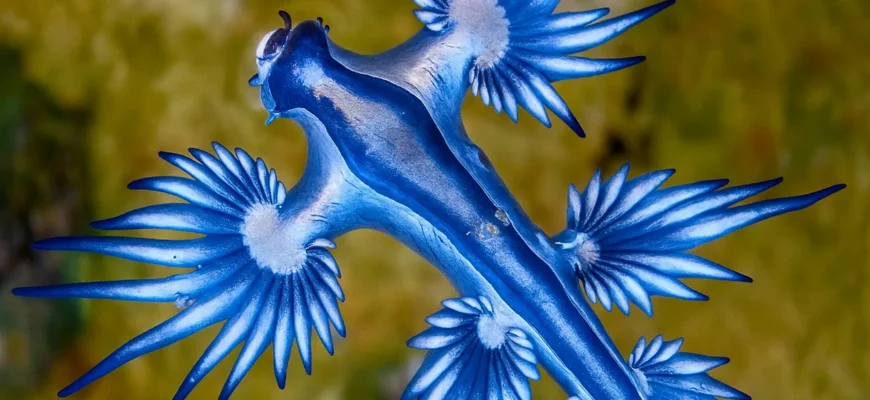
Several beaches on Spain’s Mediterranean coast were temporarily closed to swimming due to an invasion of rare poisonous sea slugs, known as “blue angels” or “blue dragons” (Glaucus atlanticus). These small creatures, which usually inhabit tropical waters, rarely appear in the Mediterranean Sea, writes Science Alert.
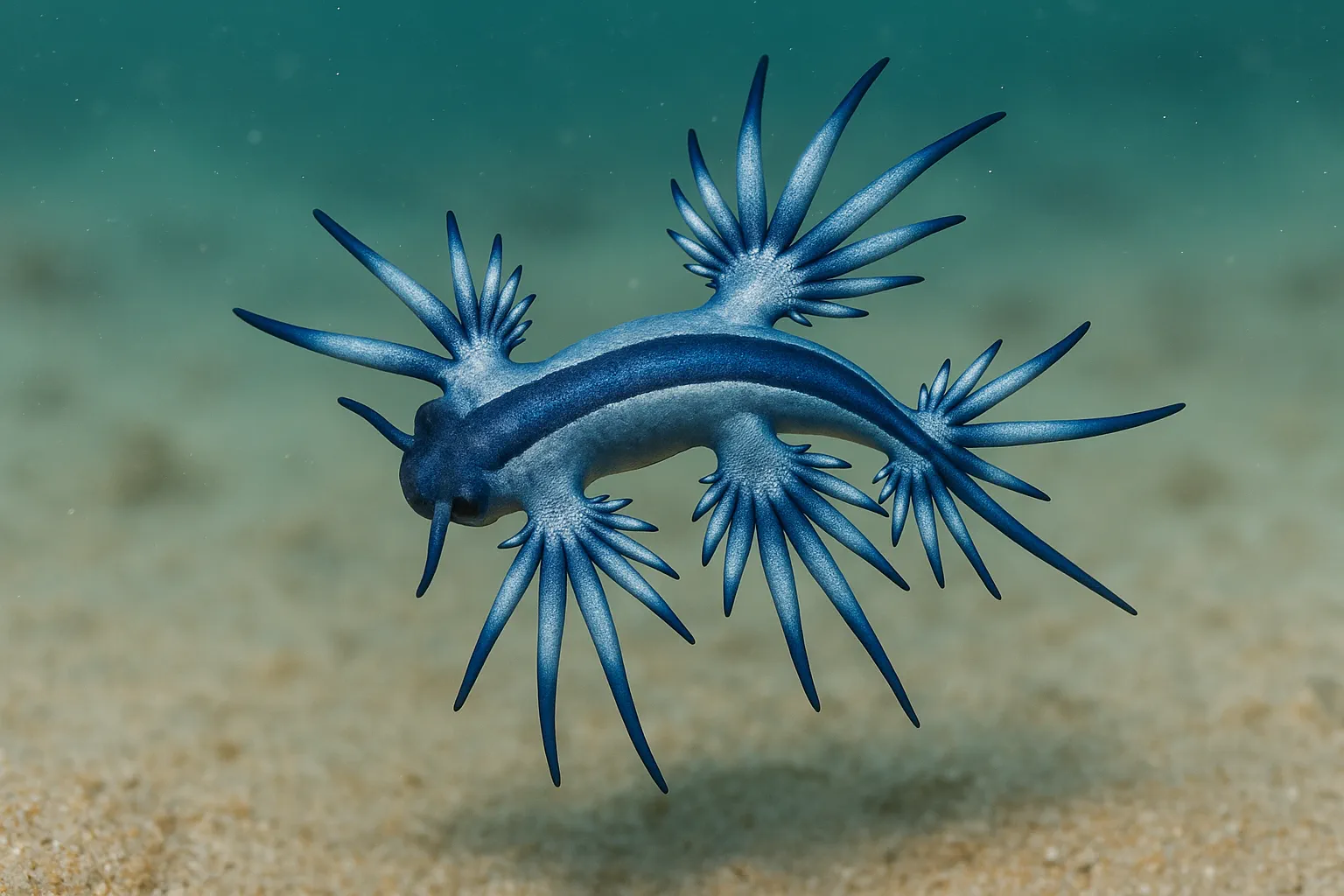
A few days ago, the coastal waters and beaches of Guardamar del Segura (Spain) were overrun by small but very beautiful creatures with a silvery-gray back and a bright blue underside. They do not exceed three centimeters in size, but their harmless appearance is deceptive.
“Blue dragons” are carriers of potent venom. They feed on dangerous jellyfish, including the Portuguese man o’war, accumulating their stinging cells in their own finger-like appendages. Touching the slug can cause serious burns, severe pain, nausea, vomiting, and allergic reactions in humans.
The town’s mayor, José Luis Sáez, made the decision to raise red flags and prohibit swimming at all beaches. In his address to residents and tourists, he noted that the mollusks continue to appear “in greater numbers and more frequently each time.” The local police circulated a warning urging people not to touch the sea slugs.
Scientists note the unusual nature of this phenomenon, as “blue dragons” typically inhabit tropical waters. One of the possible reasons for their appearance off the coast of Spain is cited as climate change and the warming of seawater. These creatures are very sensitive to temperature changes.