We describe the area, maximum depth, and location of some of them.
How Many Seas Exist in the World
The sea is a part of the World Ocean, which covers a large portion of the Earth’s surface. According to various estimates, scientists count between 50 and 100 seas. Some are inland, others inter-island, and most are marginal seas.
But if there are so many, where did the stable expression “sailing the seven seas” come from? One version suggests that originally this phrase was synonymous with the concept of the “World Ocean,” literally meaning “sailing across the seas.” But why “seven”?
Most likely, this number referred to seven bodies of water and their parts:
- The Arctic Ocean;
- the northern Atlantic Ocean;
- the southern Atlantic Ocean;
- the Indian Ocean;
- the northern Pacific Ocean;
- the southern Pacific Ocean;
- the Southern Ocean — part of the World Ocean, including the southern portions of the Pacific, Indian, and Atlantic Oceans surrounding Antarctica.
How Many Seas Are in the Pacific Ocean
The Pacific Ocean is often called the Great Ocean because it is the largest in both depth and area. Its total area exceeds 178,000 km², with a maximum depth of 10,994 m — this is where the Mariana Trench is located.
The Pacific Ocean contains 31 seas. Here are details about some of them:
- Aki Sea — the smallest sea of the Pacific Ocean. Its area is less than 2000 km², and the coastline it washes is about 100 km. It has a turbulent character. Located between Ehime and Hiroshima prefectures in the seismically dangerous Inland Sea of Japan, its waves can reach 12 m during typhoons.
- Bering Sea — the coldest sea of the Pacific Ocean. Its area is 2,315,000 km². Located in the northern part of the ocean between Russia and America, it separates Chukotka and Alaska. The maximum depth point is in the central basin — 4151 m.
- South China Sea — home to most of the world’s coral reefs. Its maximum depth is 5010 m, with an area of 3,537,289 km². A major shipping route passes through it, connecting the Indian and Pacific Oceans. By the way, do you know what this sea is called in China?
How Many Seas Are in the Atlantic Ocean
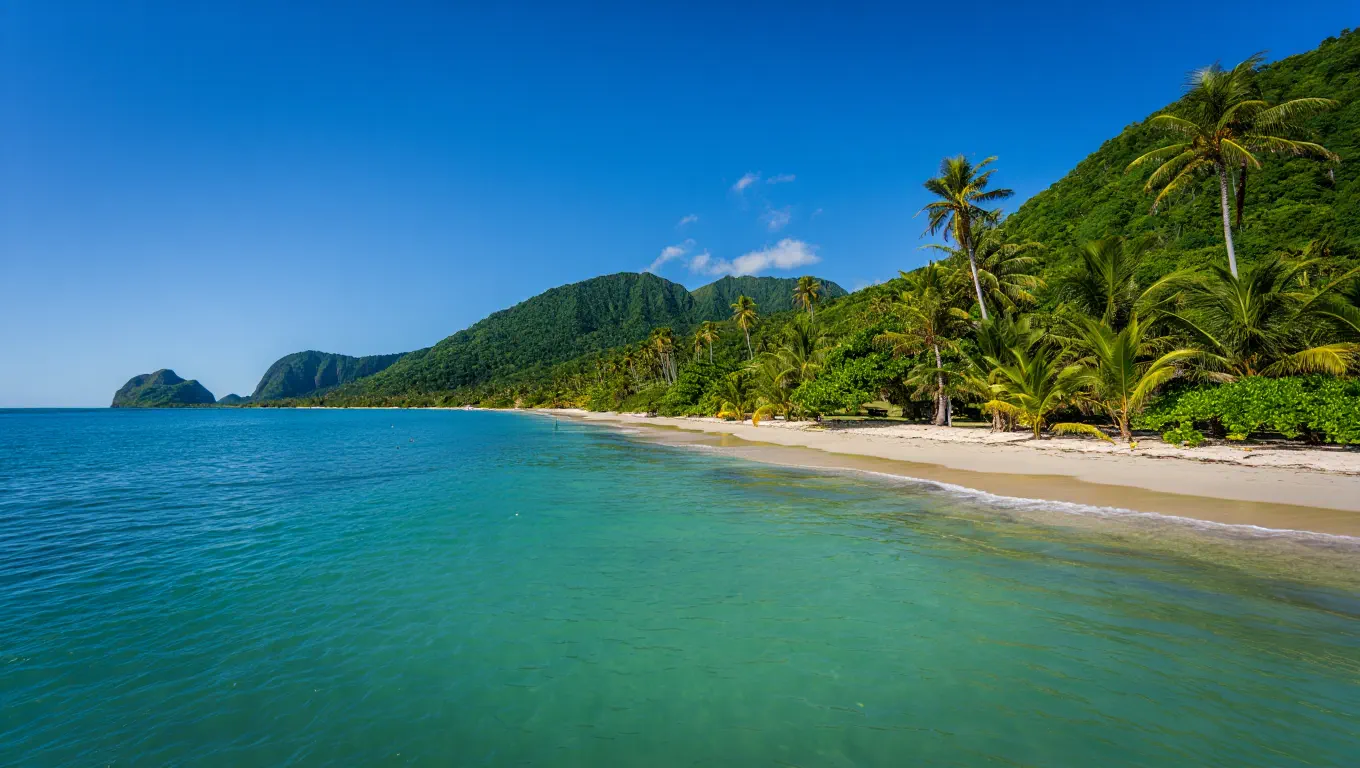
The Atlantic Ocean is the second largest. Its area is 91,700,000 km², with a maximum depth of 3597 m.
Interestingly, the Atlantic Ocean washes the coasts of all continents except Australia. Its waters stretch between Greenland and Iceland in the north, Europe and Africa in the east, North and South America in the west, and Antarctica in the south, where it connects with the Pacific Ocean through the Drake Passage.
The Atlantic Ocean contains 18 seas. The most famous include:
- Mediterranean Sea — an inland sea connected to the Atlantic Ocean by the narrow Strait of Gibraltar. Spanning 2,500,000 km² at the junction of Europe, Asia, and Africa, it reaches a maximum depth of about 5200 m.
- Caribbean Sea — located in the western Atlantic Ocean. It washes the shores of Central and South America, Mexico, Cuba, Jamaica, and the Dominican Republic. Area — 2,700,000 km², maximum depth — 7700 m. It was named after the native Carib people.
- Black Sea — an inland sea of the Atlantic Ocean basin. It forms a water boundary between Europe and Asia. Its area is 422,000 km², with a maximum depth of 2210 m.
How Many Seas Are in the Indian Ocean
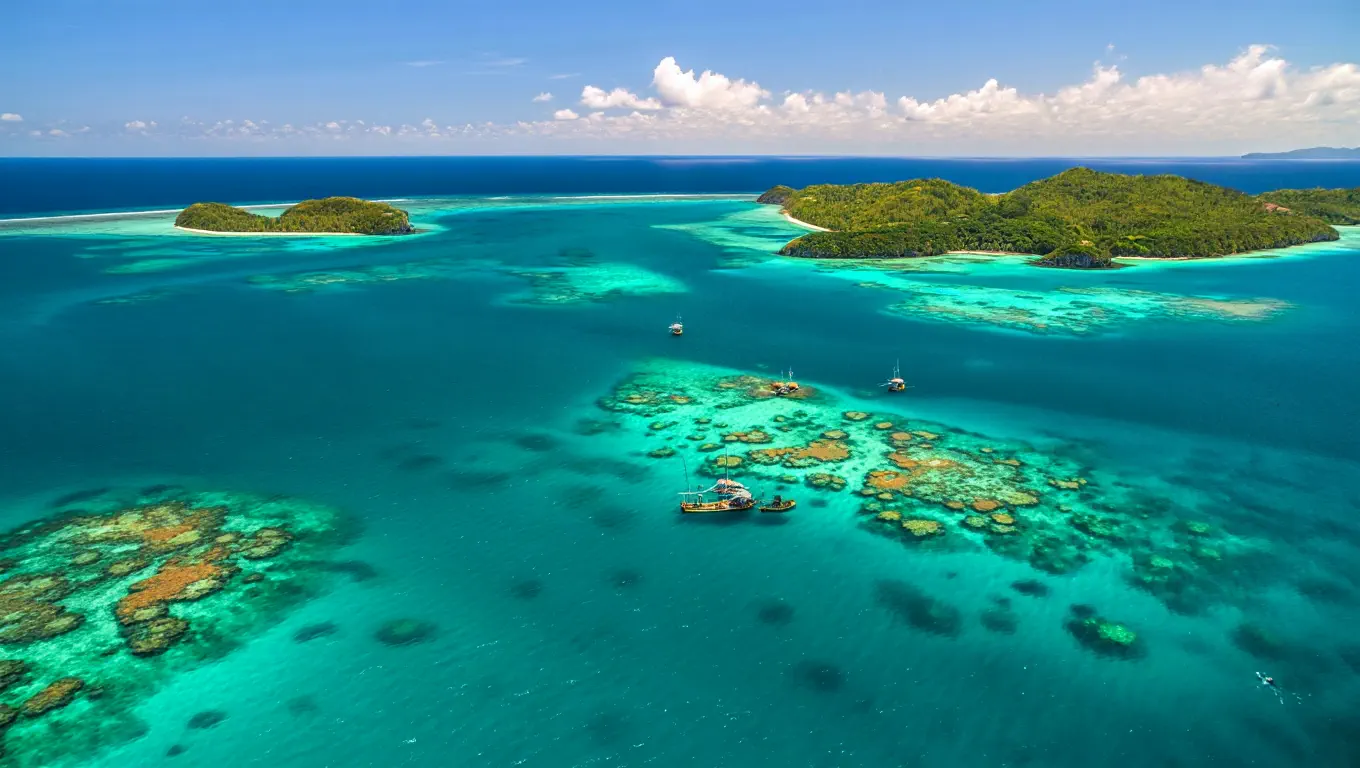
The Indian Ocean is the third largest and second deepest ocean on Earth. Its area is 74,917,000 km², and even more with gulfs and straits. Its maximum depth is 7729 m in the Sunda Trench. Mostly located in the Southern Hemisphere, it lies between Asia in the north, Africa in the west, Australia in the east, and Antarctica in the south.
Typically, the Indian Ocean includes 11 seas:
- Laccadive Sea — a marginal sea of the Indian Ocean. Located between the southwestern coast of the Indian subcontinent, Sri Lanka, and the Laccadive and Maldives islands. Its area is 786,000 km² together with the Gulf of Mannar. Maximum depth — 4131 m.
- Andaman Sea — a semi-enclosed sea in the northeastern Indian Ocean. It washes the shores of India, Indonesia, Malaysia, Myanmar, and Thailand. Its basin area is 605,000 km², with an average depth of 1043 m, and a maximum depth of 4507 m in the Narcondam Trench, which contains a dormant volcano.
- Davis Sea — a marginal sea washing the coast of Antarctica. It covers an area of 21,000 km². Its maximum depth is, 1369 m. Temperatures never rise above 0 °C, and its surface remains ice-covered all year round.
How Many Seas Are in the Arctic Ocean
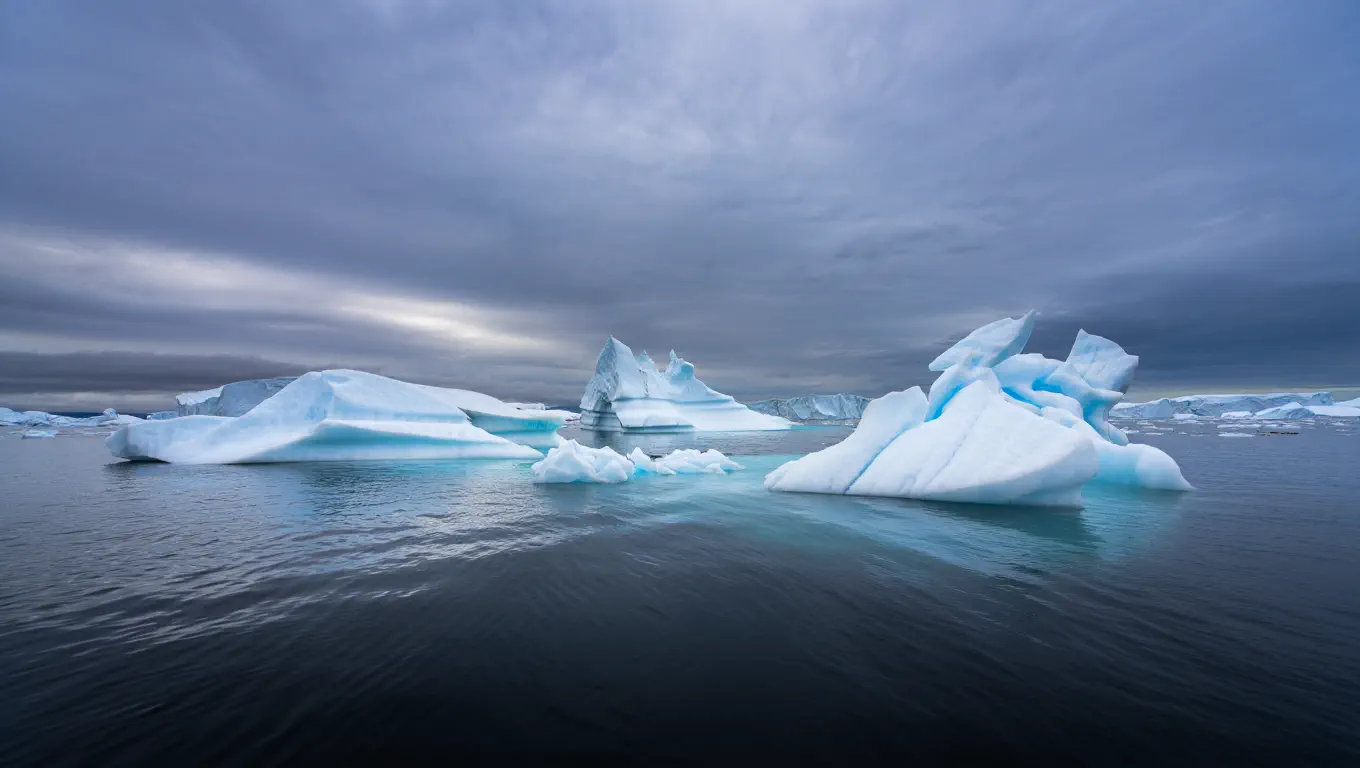
The Arctic Ocean is the shallowest, coldest, and smallest by area. Its surface covers 14,750,000 km², stretching along the coasts of six countries: Russia, the USA, Denmark (Greenland), Canada, Norway, and Iceland. Its average depth is about 1225 m, though the northeast part has underwater trenches.
Its shelf zone contains massive deposits of gas and oil, though extraction is complicated by harsh climatic conditions.
Depending on classification, between 6 and 13 seas belong to the Arctic Ocean. Some of them include:
- Barents Sea — the largest in the Arctic Ocean. Its 1,420,000 km² could fit six United Kingdoms. Until 1853, it was called the Murman Sea, after the largest port on its coast. It washes the shores of Russia and Norway. Maximum depth — 600 m.
- East Siberian Sea — a marginal sea of the Arctic Ocean, located between the New Siberian Islands and Wrangel Island. Its area is 944,600 km², with an average depth of 66 m, though some places exceed 900 m.
- Greenland Sea — the deepest in the Arctic Ocean. Its maximum depth reaches, 5527 m. It is surrounded by Greenland, Svalbard, Iceland, and Jan Mayen. Its area is 1,205,000 km².
The Saltiest Sea
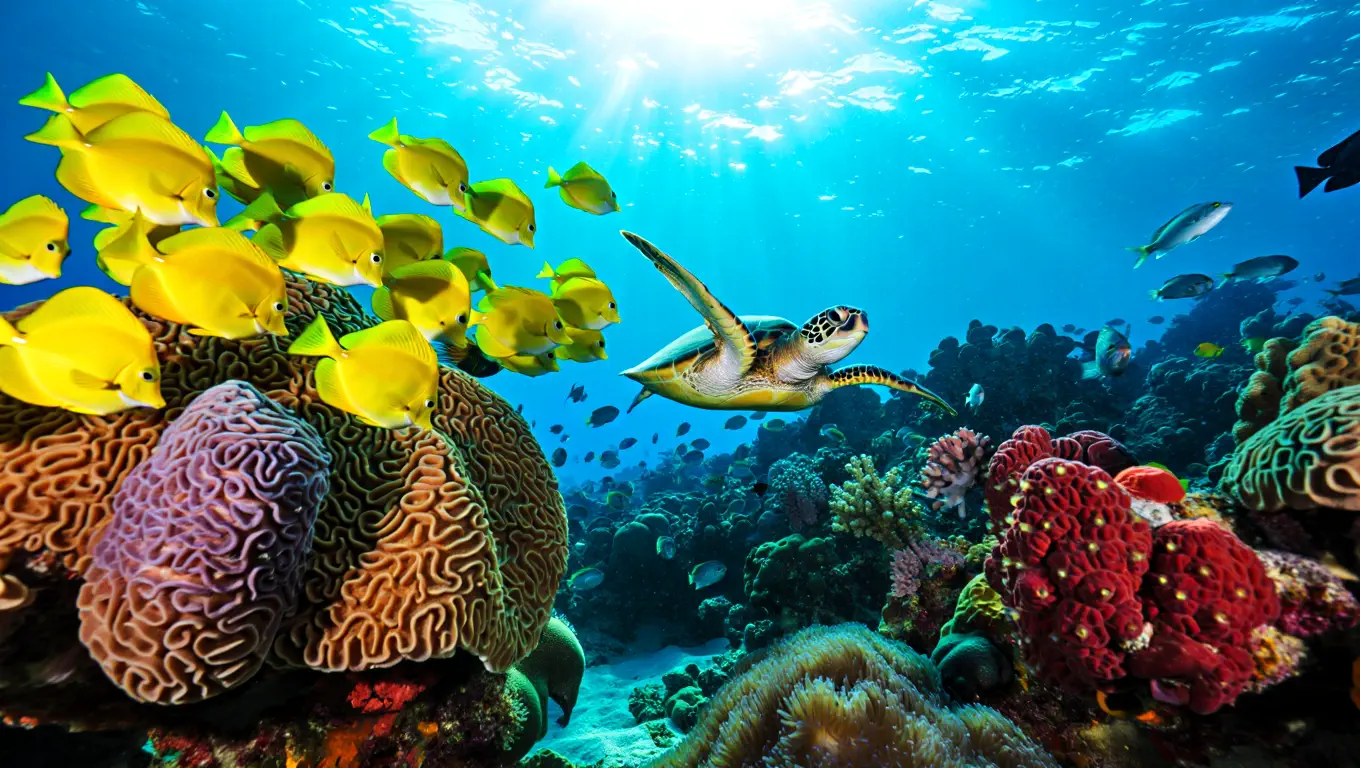
The saltiest sea is the Red Sea, with a salinity of 41‰, meaning that 1 liter of water contains 410 g of salt. No major rivers flow into it, and its narrow straits limit water exchange with other oceans. The hot, dry climate, especially in summer, also plays a role. All this leads to intense evaporation and increased salt concentration.
The Red Sea is located between the Arabian Peninsula and Africa. Its area is 438,000 km², with an average depth of 490 m. Its deepest point is the Suakin Trough — over 3000 m. The Red Sea’s main treasure is its flora and fauna: it hosts over 200 species of coral and five times as many invertebrates.
The saltiest body of water, however, is the Dead Sea. Despite its name, like the Caspian, it is actually an endorheic lake. Its salinity is about 35‰ because it has no outlet to the World Ocean. Water flows in but has nowhere to go, except evaporation. Due to the high salt content, it lacks usual flora and fauna. The only life forms adapted to it are microorganisms.
The Largest Sea in the World
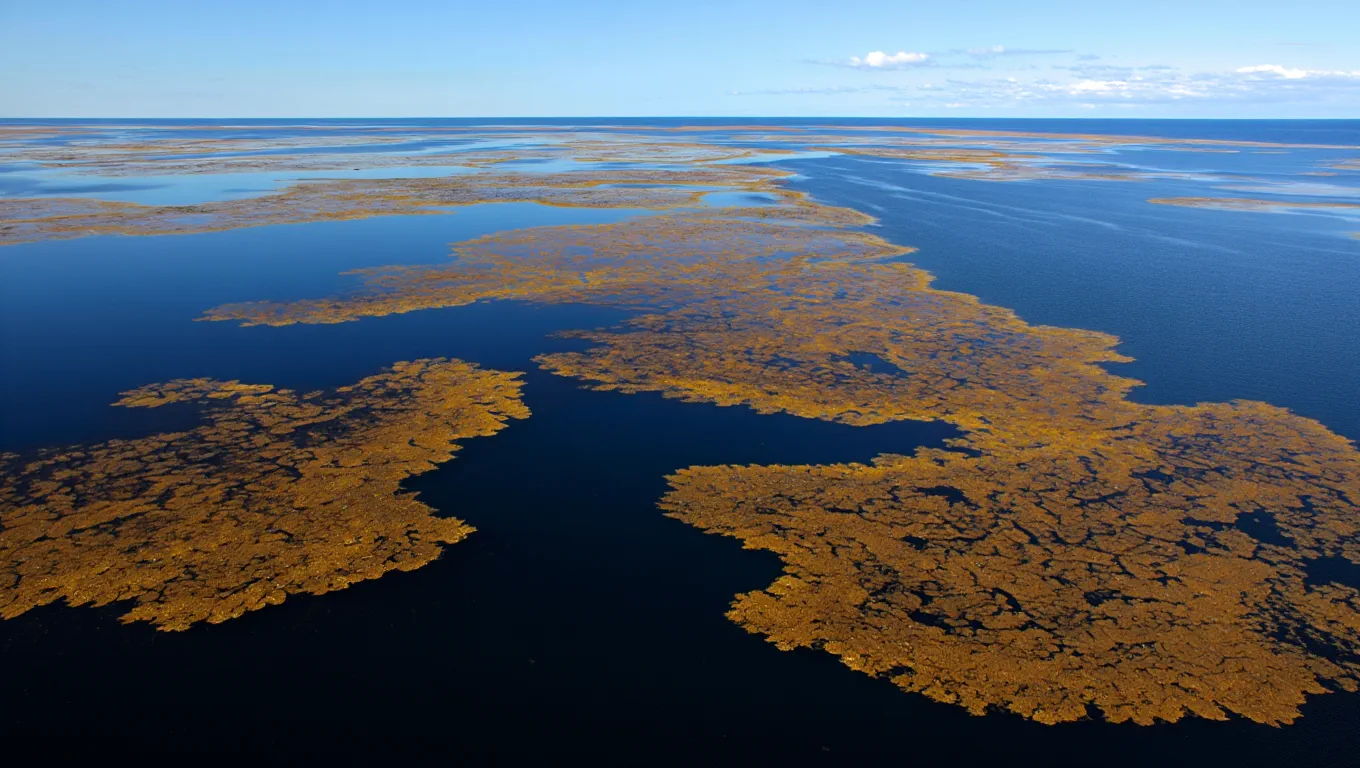
The Sargasso Sea is the largest in the world. Its area ranges from 6,000,000 km² to 7,000,000 km². Why no exact number? Located in the Atlantic Ocean, it is the only sea without shores, its boundaries defined by four currents. That’s why its area constantly changes — but it is still about 12 times larger than France.
The sea lies between Europe and North America. With depths of up to 7000 m, it attracts sperm whales and humpback whales. Its salinity is 36–37‰, quite high due to rapid evaporation and rare rainfall.
The Deepest Sea in the World
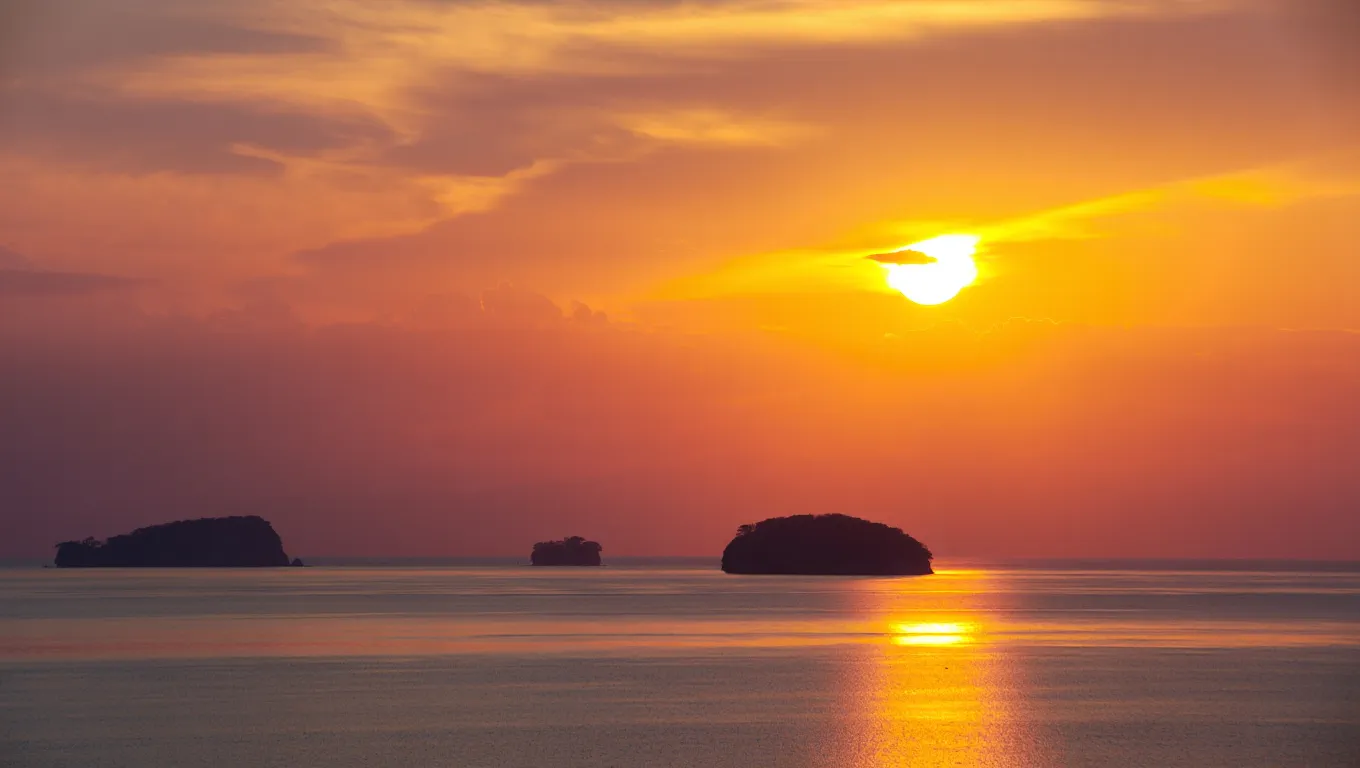
The Philippine Sea — the largest sea of the Pacific Ocean and the deepest in the world. Its area is 5,726,000 km². Its deepest point is the Mariana Trench, with depths ranging from 10,028 to 11,034 m below sea level. For comparison, this is twice the height of Mount Kazbek. Interestingly, its seabed contains underwater volcanoes, many of which rise more than 3 km from base to peak.
It is located in the western Pacific Ocean, washing the shores of the Philippines, Japan, and Taiwan. It has no clear land borders. During the rainy season, from late May to early October, it often experiences some of the world’s strongest typhoons.
Interesting Facts About Seas
- The most dangerous zone for navigation in the Tasman Sea is the so-called “Roaring Forties” — the stormy area between 40° and 50° latitudes, where the seabed has many trenches and tidal waves reach 5 m.
- At a depth of 2000 m, the Black Sea contains huge deposits of hydrogen sulfide, yet even in such an extreme environment, life exists — deepwater bacteria.
- The northern part of the Bering Sea remains frozen for more than nine months a year.
- The Baltic Sea is the youngest — formed about 4000 years ago. Yet it has more islands than any other sea — around 50,000, located mainly between the Bothnian and Finnish Gulfs.
- Navigation in the Arctic Ocean is complicated not only by icebergs but also by “dead water.” Different density layers create internal waves that slow down ships.