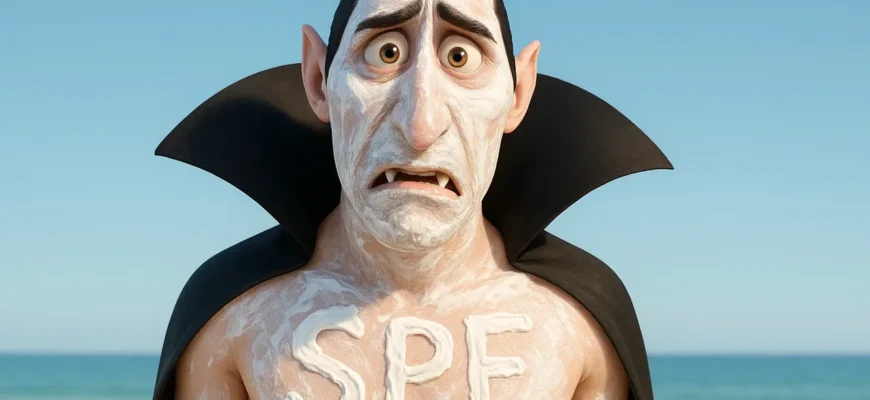
Many people know that people with fair skin who spend a lot of time in the sun develop many wrinkles by the age of 40. And those who love a dark tan greatly increase their risk of developing skin cancer (including melanoma). That is why in Europe, unlike in the US, some regions already provide free sunscreen. We will tell you how to protect yourself from the sun safely and effectively, a step that, unfortunately, many people skip.
Look for “Broad Spectrum Protection” in the Ingredients
SPF is a factor that protects against ultraviolet B rays, which are primarily responsible for sunburn. The American Academy of Dermatology and the UK’s National Health Service recommend using products with an SPF of at least 30. For example, SPF 15 blocks 93% of ultraviolet B (UVB) rays, while SPF 30 blocks 97%. But you need to make sure that your cream also blocks ultraviolet A (UVA) rays, which are largely responsible for skin aging.
As for adverse reactions to these products, contact dermatitis is the most common, although the risk is very low.
You can ignore the vitamins in sunscreen products (don’t provide significant benefits).
And don’t forget: sunscreen has an expiration date, which is determined during production and counted from the moment it is opened. In addition, sunscreen should not be kept in the heat or in direct sunlight.
Water Resistance
Unfortunately, even if the packaging says that the cream is water-resistant, this does not mean that it will remain on the skin in the same amount after swimming — in reality, you need to reapply it.
Type
The form of sunscreen you use is a personal choice, but spray is more difficult to apply evenly. In addition, there is a risk of inhaling it.
You can use cosmetics in the form of moisturizers and foundation with SPF. But there are several problems here: it is unlikely you’ll be able to apply enough of each product for adequate protection and reapply them often enough; it seems that UVB protection may be worse than stated. Therefore, it is better to apply regular sunscreen first, and then foundation.
How to Apply Sunscreen Correctly to Your Skin?
When?
Planning your day is the key to success, including skin protection. Some people check their daily horoscopes to find out what awaits them. But it is much more useful to check the UV index. Instead of relying on amusing predictions like Pythia (or AstroTwins, Elle, or the timeless classics from Cafe Astrology), it is better to use special weather apps that will tell you exactly what to expect during a given time period.
Some people develop dark spots (or hyperpigmentation) from the first sun exposure of the season, and they definitely need to use sunscreen. “You can’t use a high SPF product for the first few days at the resort and then lower it because ‘your skin has gotten used to it’. No, it hasn’t gotten used to it,” explain doctors. “People often think that they can prepare for their vacation by going to a tanning salon beforehand, but tanning salons themselves are known to cause skin cancer.”
Sunscreen should be applied 15-30 minutes before leaving the house. It should be reapplied every two hours, after prolonged swimming, if you sweat, and if you dry yourself with a towel. If you keep forgetting about this, you can set a reminder on your phone.
How much?
A lot. Most people apply only a quarter to half of the recommended amount. Even if you use only half the amount of sunscreen, it will provide only a third of the necessary protection. You can calculate how much sunscreen you need using online calculators. They take into account which parts of the body are not covered by clothing. If you apply sunscreen to your entire body, you will need an average of six to eight teaspoons.
Don’t worry that such diligence will prevent your skin from producing vitamin D and cause a deficiency. In practice, this has not been observed. People with fair skin do not need much ultraviolet light to produce enough vitamin D.
Where Should It Be Applied?
On exposed areas of skin. People often forget to apply sunscreen to their ears, the tops of their feet, their neck, their head (if they are bald or have thin hair), and their lips (you can use lip balm with SPF).
What Else Can You Use to Protect Yourself from the Sun’s Harmful Rays?
- Shade: However, a beach umbrella alone will not adequately protect you from the sun.
- Clothing: There are fabrics that are specifically designed to protect against ultraviolet rays. Look for them among popular brands. Here is the criterion: UPF — ultraviolet protection factor: 15–24 — good protection, 25–39 — very good, 40 and above — excellent.
- Sunglasses: without them, there is a risk of developing malignant tumors in the eye area.
I Got Sunburned. What Should I Do?
For a sunburn, any over-the-counter pain reliever like aspirin will work. You can also take cool showers periodically and use moisturizing cream, but under no circumstances should you apply oil, sour cream, or other fatty products to your skin.
If blisters appear and the pain is very severe, see a doctor.