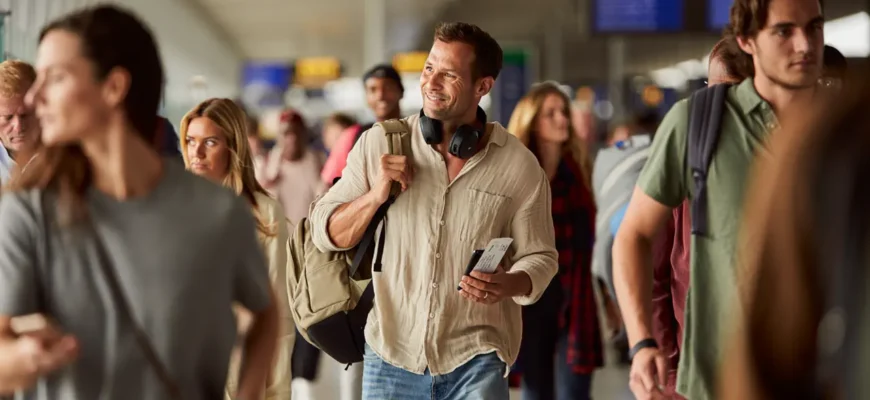
The difference between an experienced traveler and a novice is noticeable almost immediately — both to locals and to fellow travelers. Some confidently navigate unfamiliar countries, save money, and avoid problems, while others make typical mistakes and overpay for basic things.
If you want to travel comfortably, safely, and “like a local,” it’s important to understand what sets an experienced traveler apart from a beginner. Below are key signs that will help you improve your travel skills.
- Key Differences Between an Experienced Traveler and a Novice
- 1. Trip Planning
- 2. An Experienced Traveler Knows How to Save Without Sacrificing Comfort
- 3. Behavior in a Foreign Country
- 4. Navigation Skills
- 5. Accommodation Choice
- 6. Approach to Food
- 7. Attitude Toward Safety
- 8. Use of Technology
- 9. Reaction to Force Majeure Situations
- Further Reading on This Topic
- Interesting Facts
- FAQ: Frequently Asked Questions
Key Differences Between an Experienced Traveler and a Novice
| Criteria | Novice | Experienced Traveler |
| Preparation | Minimal | Thorough |
| Expenses | Often overpays | Optimizes budget |
| Behavior | Stands out | Tries to blend in like a local |
| Planning | Chaotic | Flexible and logical |
| Safety | Doesn’t account for risks | Prepares in advance for force majeure |
1. Trip Planning
Novices often go to extremes: either they don’t plan the trip at all, or they create an overly rigid itinerary with a minute-by-minute schedule. In the first case, they get lost on the spot and waste time organizing; in the second, they quickly burn out and don’t enjoy the journey.
An experienced traveler acts differently. They study the country, transport, neighborhoods, and main attractions beforehand, but leave room for improvisation. This approach helps avoid stress while not missing interesting places.

In addition, experienced travelers check visa regulations, entry requirements, and possible restrictions — this is especially important in an unstable international situation when flights and rules may change.
For more interesting materials, fresh news, videos, and memes, join our channel on Telegram.
2. An Experienced Traveler Knows How to Save Without Sacrificing Comfort
Novices often overpay — for airport taxis, hotels in touristy areas, or excursions at inflated prices. They go for the first offer they see and rarely compare options.
An experienced traveler knows where to save without losing quality. They study prices in advance, use public transport, book accommodation on trusted platforms, and avoid tourist traps.
It’s important that saving does not mean giving up comfort. The seasoned traveler understands what is worth paying for (e.g., convenient accommodation location) and where costs can be trimmed (e.g., eating at local cafés instead of tourist-oriented restaurants).
3. Behavior in a Foreign Country
One of the most noticeable signs of a novice is behavior that immediately gives them away as a tourist. This could be loud talking, uncertainty, constantly using a map or navigator right on the street.
An experienced traveler tries to behave naturally. They learn basic behavioral rules in the country, respect local traditions, and avoid drawing unnecessary attention.
Experienced travelers also find out about cultural specifics in advance: for example, dress code, gestures, or communication styles. This helps avoid awkward situations and makes the trip more comfortable.
4. Navigation Skills
Novices often get lost in unfamiliar cities, especially if they don’t know the language or haven’t prepared in advance. They may panic when something goes off plan.
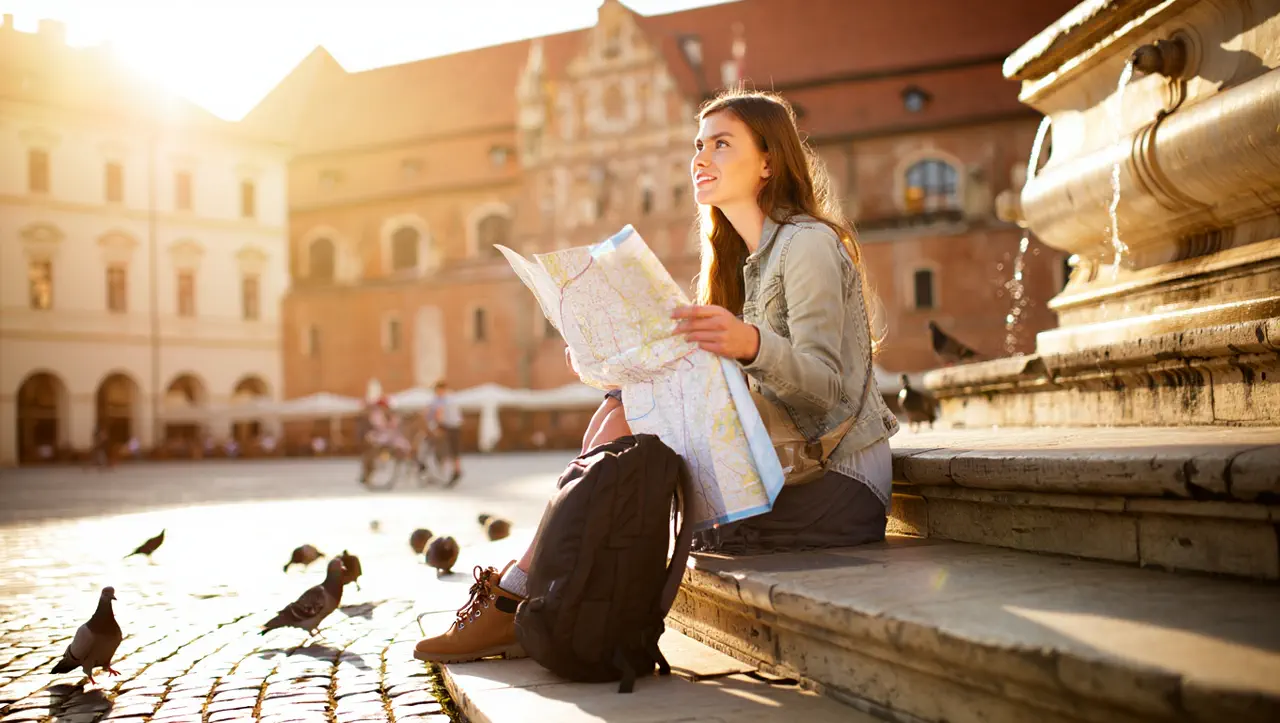
An experienced traveler can navigate even in tricky situations. They download offline maps in advance, save addresses and routes, and know how to use local transport.
Moreover, experienced travelers adapt faster to new conditions: they react calmly to route changes, flight delays, or other force majeure circumstances.
5. Accommodation Choice
Novices often focus solely on price. An experienced traveler evaluates accommodation holistically: location, neighborhood safety, transport links, and reviews. They understand that a convenient location ultimately saves time and money.
Also, experienced travelers more often choose apartments or small local hotels to better feel the city’s atmosphere.
6. Approach to Food
Novices most often eat in restaurants near landmarks, where prices are higher and quality doesn’t always meet expectations.
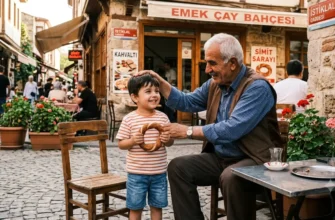
An experienced traveler seeks out places where locals eat. These could be small cafés, markets, or street food stalls. This approach not only saves money but also introduces them to the authentic cuisine of the country.

Tsukiji Fish Market, local café
In addition, experienced travelers research popular regional dishes in advance and know what to try.
7. Attitude Toward Safety
Novices often overlook risks: they don’t make copies of documents, don’t check city districts, and may carry all their cash with them.
An experienced traveler prepares in advance: makes copies of documents, keeps money in different places, studies safe neighborhoods, and avoids potentially dangerous situations.
8. Use of Technology
Novices stick to basic tools — for instance, a navigation app.
An experienced traveler uses a whole set of services:
- offline maps;
- translation apps;
- booking apps;
- transport search services.
This helps them navigate faster and make informed decisions.
9. Reaction to Force Majeure Situations
Novices often get flustered when flights are canceled, routes change, or other unexpected events occur.
An experienced traveler knows that force majeure is part of traveling. They are prepared in advance for such situations and understand what rights they have and what actions to take.
This is especially relevant in recent years when geopolitical events can lead to flight cancellations or rescheduling.
Further Reading on This Topic
Traveler Rights for Flight Cancellations Due to Force Majeure: What to Do and Can You Get a Refund
Interesting Facts
- Experienced travelers spend on average 20–30% less thanks to smart planning.
- Most travelers start to feel confident after 3–5 trips abroad.
- Local cafés are often 2–3 times cheaper than tourist-oriented restaurants.
- Over 60% of travelers admit they overpaid during their first trips.
FAQ: Frequently Asked Questions
— How do you know if you’re an experienced traveler?
— An experienced traveler knows how to plan a trip, save money, navigate on the spot, and respond calmly to unexpected situations.
— How does a novice differ from an experienced traveler?
— A novice is more likely to make mistakes, overpay, and get lost in unfamiliar conditions, while an experienced traveler acts confidently and prepares in advance.
— Can you become an experienced traveler quickly?
— Yes, if you study information, analyze mistakes, and use tips from experienced travelers.
— What matters most in a trip?
— Preparation, safety, and flexibility — these are the factors that set an experienced traveler apart from a novice.
— How can you avoid looking like a tourist abroad?
— Learn local customs, don’t stand out with your behavior, and think through your route and trip details in advance.