Turkey, a land where East meets West, offers a tapestry of experiences best explored on four wheels. From the bustling streets of Istanbul to the otherworldly landscapes of Cappadocia, renting a car in Turkey opens up a world of possibilities. This comprehensive guide will navigate you through the ins and outs of car rentals in this fascinating country, ensuring your Turkish road trip is as smooth as the highways connecting its diverse regions.
- The Turkish Car Rental Landscape
- Vehicle Options: Choosing Your Perfect Turkish Chariot
- Navigating the Red Tape: Rental Requirements and Documentation
- Age Requirements
- License and Identification
- Credit Card Requirements
- The Price of Freedom: Understanding Costs and Fees
- Base Rental Rates
- Additional Costs and Fees
- Hidden Costs to Watch For
- On the Road: Driving in Turkey
- Traffic Rules and Regulations
- Speed Limits
- Toll Roads
- Parking
- Rural Driving
- City Driving
- Peace of Mind: Insurance Options
- Basic Insurance Coverage
- Additional Insurance Options
- Booking Your Turkish Road Trip
- Beyond the Basics: Making the Most of Your Turkish Car Rental
- Navigation and Connectivity
- Emergency Preparedness
- Cultural Considerations
The Turkish Car Rental Landscape
The car rental market in Turkey is as diverse as its geography, offering options to suit every traveler’s needs and budget. International giants like Hertz, Avis, and Enterprise have a strong presence, particularly at major airports and tourist hubs. However, local heroes such as Garenta and Essence Car Rental have carved out a significant niche, often providing more competitive rates and a personalized touch that can enhance your Turkish adventure.
When selecting a rental company, consider factors beyond just price. Look at customer reviews, the age and condition of their fleet, and the level of customer service they provide. Many local companies offer 24/7 support in multiple languages, which can be invaluable if you encounter any issues during your trip.
Vehicle Options: Choosing Your Perfect Turkish Chariot
Turkey’s varied terrain and diverse travel experiences call for careful consideration when selecting your rental vehicle. Here’s a breakdown of popular options:
- Compact Cars: Ideal for city exploration and fuel efficiency. Perfect for couples or solo travelers navigating urban areas like Istanbul or Izmir.
- Midsize Sedans: A comfortable option for small families or groups, offering a balance of space and maneuverability.
- SUVs and 4x4s: Essential for venturing into rural areas, tackling mountain roads, or exploring off-the-beaten-path destinations like the Black Sea coast.
- Luxury Vehicles: For those looking to cruise the Turkish Riviera in style or make a statement in upscale areas of major cities.
- Vans and Minibuses: Excellent for larger groups or families, providing ample space for both passengers and luggage.
When making your choice, consider the nature of your trip. If you’re planning to stick to well-maintained highways and city roads, a compact or midsize car will serve you well. However, if your itinerary includes rural areas or mountainous regions, an SUV might be a wise investment.
It’s worth noting that manual transmissions are still very common in Turkey. If you prefer an automatic, be sure to book well in advance, as these vehicles are in high demand, especially during peak tourist seasons.
Navigating the Red Tape: Rental Requirements and Documentation
Before you can embrace the freedom of the open Turkish roads, you’ll need to clear some bureaucratic hurdles. Understanding these requirements in advance can save you time and potential headaches at the rental counter.
Age Requirements
Most car rental companies in Turkey require drivers to be at least 21 years old. However, for certain vehicle classes, particularly luxury cars or larger SUVs, the minimum age may be set at 25 or even 30. Additionally, many companies impose a “young driver surcharge” for renters under 25, which can significantly increase the overall cost of your rental.
License and Identification
Your home country’s driver’s license is typically sufficient for renting a car in Turkey, provided it uses the Latin alphabet. If your license is in a different script (e.g., Arabic, Cyrillic, or Chinese), you’ll need to obtain an International Driving Permit (IDP) before your trip. It’s recommended to carry an IDP regardless, as it can be helpful in case of traffic stops or accidents.
You’ll also need to present a valid passport. Some companies may require additional forms of identification, so it’s wise to have a second form of ID on hand, such as a national identity card or a credit card with a photo.
Credit Card Requirements
A credit card in the main driver’s name is essential for the security deposit. Debit cards are rarely accepted for this purpose. The rental company will place a hold on your card for the duration of the rental, typically ranging from €500 to €2000, depending on the vehicle class and rental duration.
The Price of Freedom: Understanding Costs and Fees
Car rental prices in Turkey can be as variable as the country’s climate. To help you budget effectively, let’s break down the factors that influence pricing and the additional fees you might encounter.
Base Rental Rates
The base rate for your rental will depend on several factors:
- Seasonal fluctuations: Expect higher rates during summer months (June to August) and major holidays.
- Vehicle class: Prices vary widely from budget-friendly compacts to premium SUVs.
- Rental duration: Weekly or monthly rates often offer better value than daily rentals.
- Pick-up and drop-off locations: Airport pick-ups usually incur additional fees.
Additional Costs and Fees
Beyond the base rate, be prepared for these potential additional costs:
- Insurance: While basic insurance is often included, additional coverage can significantly increase your total.
- Additional drivers: Adding a second driver usually incurs a daily fee.
- Young driver surcharge: As mentioned earlier, drivers under 25 may face additional costs.
- GPS rental: If not included, this can add €5-10 per day to your rental.
- Child seats: Required by law for children under 12, these can cost €5-15 per day.
Hidden Costs to Watch For
Be vigilant about these less obvious expenses:
- Fuel policies: ‘Full-to-full’ is usually the most economical option. Beware of ‘full-to-empty’ policies, which often charge inflated fuel prices.
- Airport surcharges: Picking up at the airport? Expect to pay a premium, often 10-20% of the base rental rate.
- Cross-border fees: Planning to visit neighboring countries? This can incur substantial additional charges and may require special permission.
To help you visualize the potential costs, here’s a table comparing average daily rates for different vehicle classes during peak and off-peak seasons:
| Vehicle Class | Off-Peak Season (Daily Rate) | Peak Season (Daily Rate) |
|---|---|---|
| Economy | €20 – €30 | €35 – €50 |
| Compact | €25 – €40 | €45 – €65 |
| Mid-size | €35 – €55 | €60 – €90 |
| SUV | €50 – €80 | €90 – €130 |
| Luxury | €100 – €150 | €180 – €250 |
Note: These prices are averages and can vary significantly based on location, rental company, and specific dates.
On the Road: Driving in Turkey
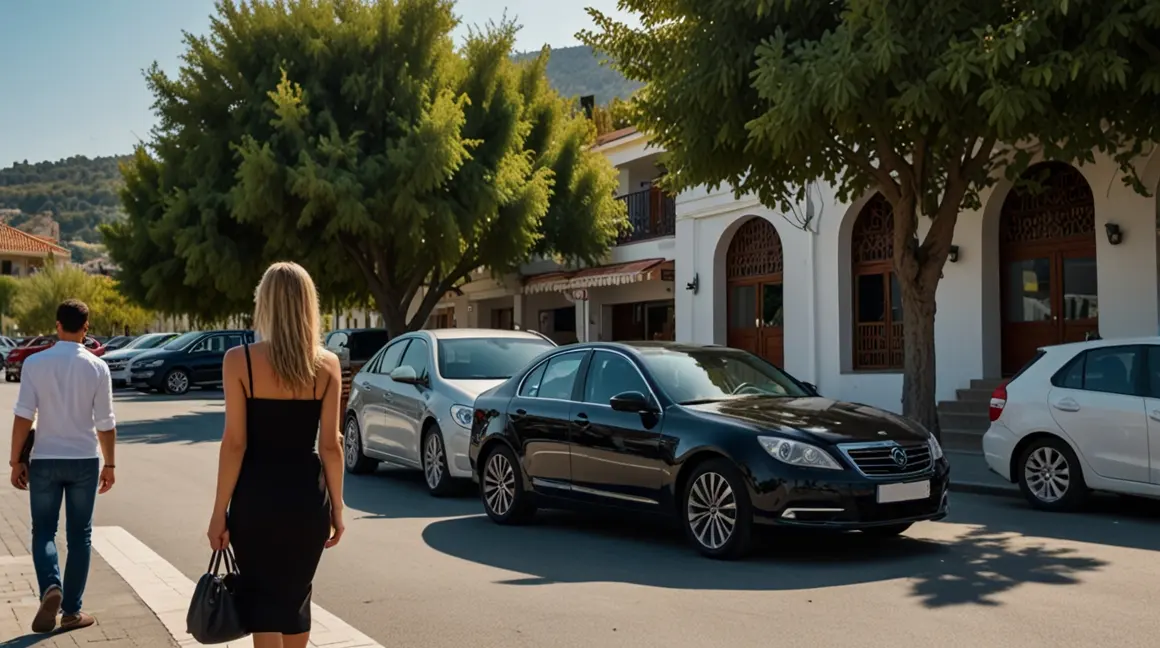
Hitting the Turkish roads can be an adventure in itself, offering a unique blend of modern highways and scenic rural routes. Here’s what you need to know to navigate Turkey’s diverse road network safely and confidently.
Traffic Rules and Regulations
- Traffic flows on the right side of the road.
- Seatbelts are mandatory for all passengers.
- The use of mobile phones while driving is prohibited unless using a hands-free system.
- Drinking and driving is strictly forbidden, with a blood alcohol limit of 0.05%.
Speed Limits
Speed limits in Turkey are generally as follows:
- Urban areas: 50 km/h
- Open roads: 90 km/h
- Highways: 120 km/h
However, always pay attention to posted speed limits, as these can vary based on road conditions and local regulations.
Toll Roads
Many major highways in Turkey are toll roads, known as “Otoyol”. The most convenient way to pay for these is via the HGS (Hızlı Geçiş Sistemi) or OGS (Otomatik Geçiş Sistemi) transponders. Most rental cars come equipped with these devices, but confirm this with your rental company. The toll charges are typically added to your final rental bill.
Parking
Parking in major cities can be challenging. Look for ‘Otopark’ signs indicating designated parking areas. In tourist areas, be wary of unofficial ‘parking attendants’ who may try to charge you for parking in free public spaces.
Rural Driving
Venturing into rural Turkey can be a rewarding experience, but it comes with its own set of challenges:
- Be prepared for narrow, winding roads, especially in mountainous regions.
- Wildlife and livestock on the road are common in rural areas. Stay alert, especially at dawn and dusk.
- Gas stations can be few and far between in remote areas. Always keep your tank at least half full.
City Driving
Navigating Turkey’s bustling cities, especially Istanbul, can be daunting for the uninitiated:
- Traffic in major cities can be chaotic, particularly during rush hours.
- Many cities have restricted traffic zones, often in historical centers. Entering these without permission can result in hefty fines.
- Consider using public transport for inner-city travel and save your rental car for intercity journeys.
To give you a better idea of travel times and distances between major Turkish destinations, here’s a helpful table:
| Route | Distance (km) | Approximate Driving Time |
|---|---|---|
| Istanbul to Ankara | 450 | 5 hours |
| Ankara to Cappadocia | 280 | 3 hours 30 minutes |
| Istanbul to Izmir | 480 | 5 hours 30 minutes |
| Antalya to Bodrum | 320 | 4 hours 15 minutes |
| Izmir to Ephesus | 80 | 1 hour |
Note: These times are estimates and can vary based on traffic conditions and stops along the way.
Peace of Mind: Insurance Options
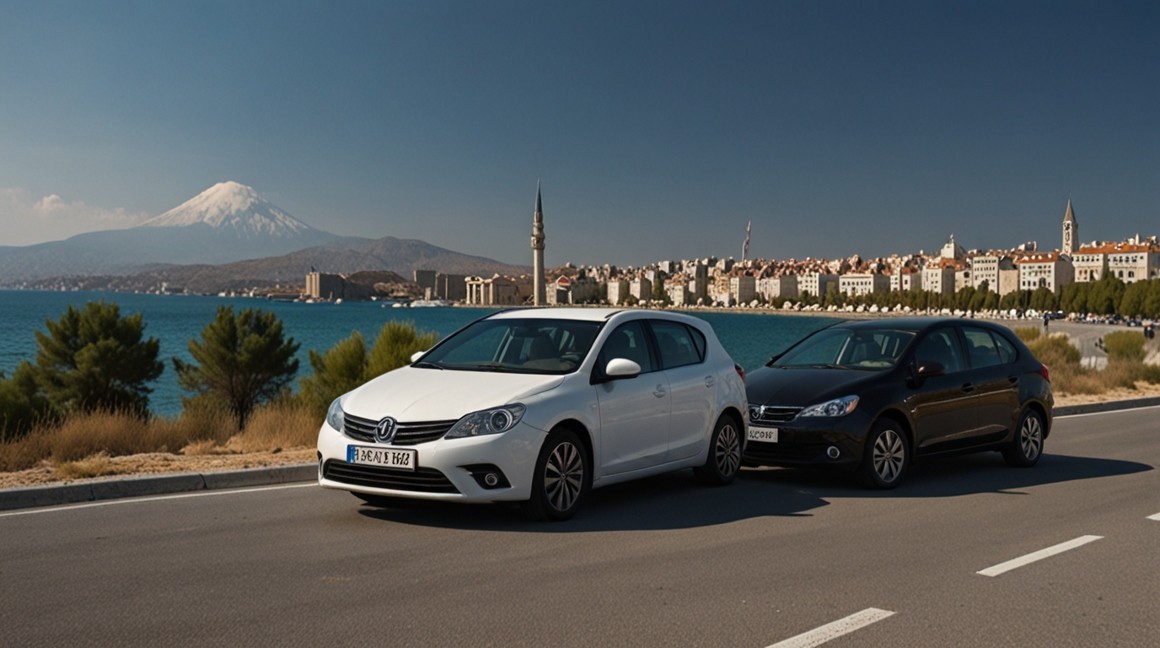
Don’t let worries about damages dampen your Turkish adventure. Understanding your insurance options is crucial for a stress-free road trip.
Basic Insurance Coverage
Most rental agreements in Turkey include basic insurance coverage:
- Third Party Liability (TPL): This is mandatory in Turkey and covers damage to other vehicles or property.
- Collision Damage Waiver (CDW): Reduces your liability for damage to the rental vehicle.
- Theft Protection (TP): Covers you in case of vehicle theft.
However, these basic coverages often come with a significant excess (deductible) that you would be responsible for in case of damage or theft.
Additional Insurance Options
For extra peace of mind, consider these additional coverages:
- Super CDW: This reduces or eliminates your excess for damage to the vehicle.
- Personal Accident Insurance (PAI): Covers medical expenses for you and your passengers in case of an accident.
- Tire and Windscreen Coverage: Often excluded from basic coverage, this protects against common minor damages.
- Roadside Assistance: While basic assistance is usually included, premium packages offer more comprehensive support.
When evaluating insurance options, carefully read the terms and conditions. Pay attention to what’s excluded from coverage, such as damage to the undercarriage, interior, or tires and windscreen.
Booking Your Turkish Road Trip

Now that you’re armed with knowledge about car rentals in Turkey, it’s time to book your vehicle. Here’s a step-by-step guide to securing the best deal:
- Compare prices: Use comparison websites to find the best deals across multiple rental companies.
- Book in advance: This is especially crucial during peak seasons (June to August) when demand is high.
- Check for promotions: Look for special offers, particularly for weekly or monthly rentals.
- Read the fine print: Understand all fees, policies, and insurance coverage before confirming your booking.
- Consider loyalty programs: If you’re a frequent traveler to Turkey, joining a rental company’s loyalty program could offer benefits and discounts.
When making your reservation, be sure to specify any additional requirements, such as an automatic transmission, GPS, or child seats.
Beyond the Basics: Making the Most of Your Turkish Car Rental

To truly enhance your Turkish driving adventure, consider these additional tips:
Navigation and Connectivity
- GPS: While many rentals offer GPS, consider downloading offline maps on your smartphone as a backup.
- Local SIM card: This can be invaluable for navigation, on-the-go research, and staying connected. You can purchase these at the airport or at mobile phone shops in cities.
Emergency Preparedness
Save these important numbers in your phone:
- Emergency services: 112 (for police, medical, and fire)
- Your rental company’s assistance number
- Your country’s embassy in Turkey
Cultural Considerations
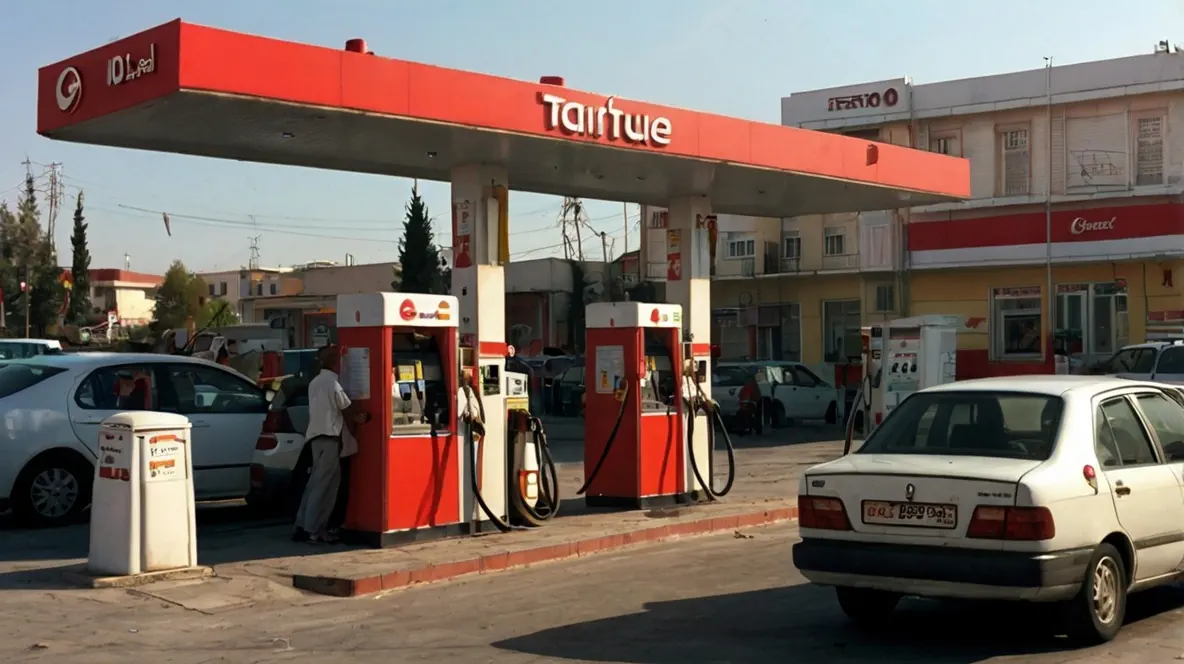
- Gas stations: In Turkey, attendants pump gas for you. It’s customary to give a small tip (1-2 lira) for this service.
- Traffic police: If stopped, be polite and cooperative. Have your license, rental agreement, and passport ready.
- Road trips and religion: During Ramadan, be aware that finding open restaurants during daylight hours might be challenging in more conservative areas.
From the sun-soaked beaches of Antalya to the ancient wonders of Ephesus, a rental car is your key to unlocking Turkey’s treasures. With this comprehensive guide in hand, you’re now ready to embark on an unforgettable journey through one of the world’s most captivating countries. So buckle up, turn the key, and let the adventures begin!

Remember, the true joy of a road trip in Turkey lies not just in the destinations, but in the journey itself. Embrace the unexpected, interact with locals, and savor the freedom of the open road. Your Turkish driving adventure awaits!