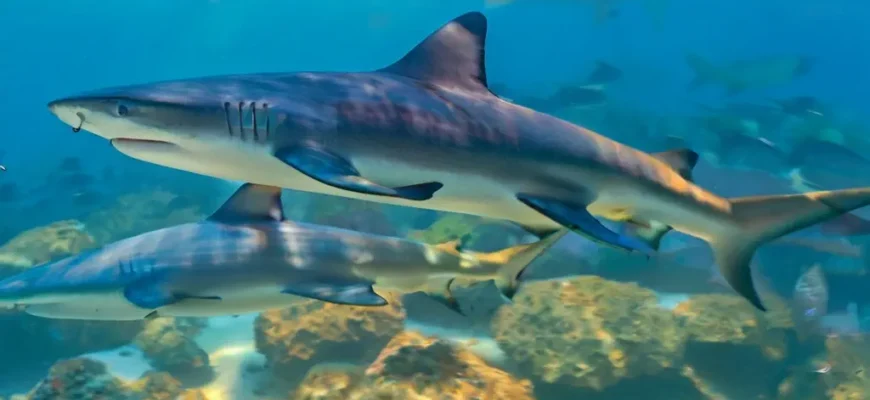
Cuba, the largest island in the Caribbean, is renowned for its vibrant culture, classic cars, and pristine beaches. But beneath the crystal-clear waters surrounding this tropical paradise lies a world teeming with marine life – including sharks. For many travelers, the presence of these apex predators raises both excitement and concern. Let’s dive into the fascinating world of Cuban sharks and explore what visitors need to know.
The Short Answer: Yes, There Are Sharks in Cuba
Cuba’s waters are home to a diverse array of shark species, making it a sought-after destination for marine enthusiasts and adventurous divers. The country’s commitment to marine conservation has helped preserve its shark populations, offering visitors a unique opportunity to witness these magnificent creatures in their natural habitat.
Shark Species You Might Encounter
Cuba’s waters boast an impressive variety of shark species, each with its own distinct characteristics and behaviors. Some of the most commonly encountered species include:
- Caribbean Reef Sharks: These sleek, silver-gray sharks are a common sight in Cuban waters. Growing up to 10 feet (ca. 3 m) long, they’re known for their curious nature and are often spotted during dive expeditions.
- Nurse Sharks: Despite their intimidating size (up to 14 feet (4.27 m)), nurse sharks are generally docile and can often be found resting on the ocean floor. Their lazy demeanor makes them a favorite among divers and snorkelers.
- Silky Sharks: Named for their smooth skin, silky sharks are oceanic species that can be encountered in deeper waters. They’re known for their agility and streamlined bodies.
- Blacktip Reef Sharks: These smaller sharks, typically around 5 feet (1.52 m) long, are recognizable by the black tips on their fins. They’re often seen in shallow waters near coral reefs.
- Lemon Sharks: With their yellowish-brown coloration, lemon sharks blend in well with sandy bottoms. They’re known for their intelligence and can grow up to 10 feet (ca. 3 m) in length.
- Hammerhead Sharks: While less common, the unique hammer-shaped head of these sharks makes them an unforgettable sight for lucky divers who encounter them in Cuban waters.
Where to Spot Sharks in Cuba
Cuba offers several prime locations for shark encounters:
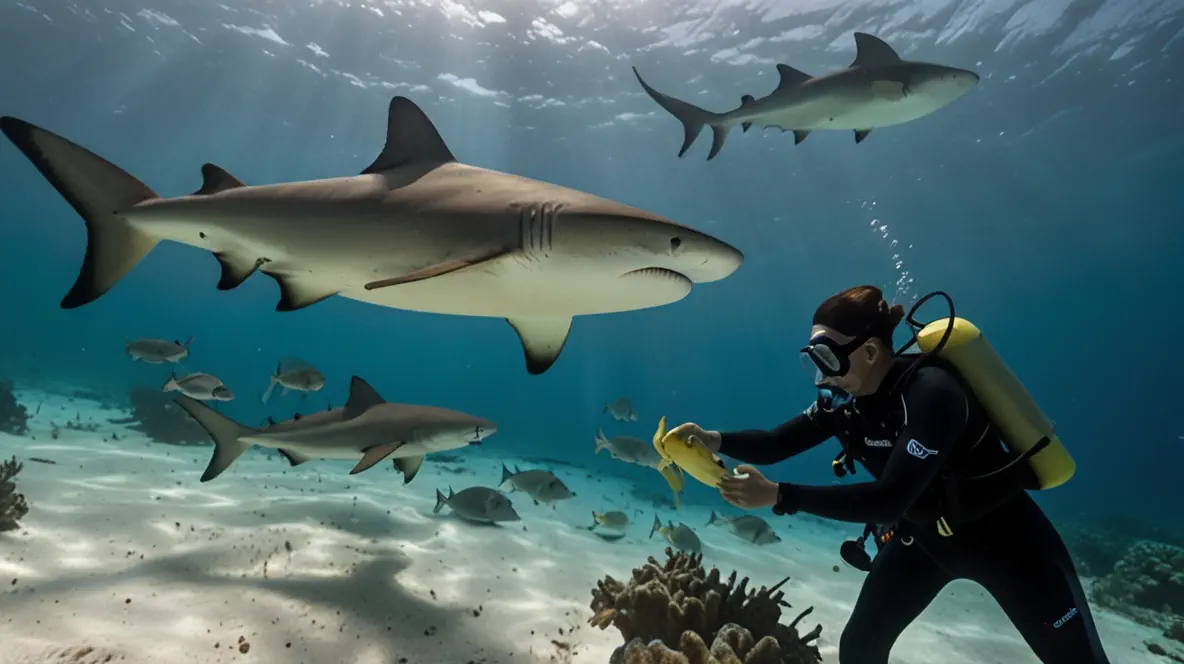
- Gardens of the Queen (Jardines de la Reina): This marine protected area is often called the “Galapagos of the Caribbean” due to its rich biodiversity. It’s one of the best places in the world to dive with Caribbean reef sharks and silky sharks.
- Cayo Largo: This small island off Cuba’s southern coast is known for its pristine beaches and clear waters, where you might spot nurse sharks and blacktip reef sharks.
- María la Gorda: Located on the western tip of Cuba, this diving hotspot offers opportunities to see a variety of shark species, including lemon sharks and occasional hammerheads.
- Varadero: While better known for its resorts, the waters off Varadero can surprise visitors with sightings of nurse sharks and reef sharks.
Safety Considerations
While the presence of sharks may cause some trepidation, it’s important to remember that shark attacks on humans are extremely rare. In fact, Cuba has an excellent safety record when it comes to shark encounters. However, it’s always wise to practice caution and respect when sharing the water with these magnificent creatures:
- Follow guide instructions: When diving or snorkeling, always listen to your experienced local guides. They know the area and the behavior of its marine inhabitants.
- Maintain a respectful distance: Avoid touching or chasing sharks. Observe them from a distance that doesn’t disturb their natural behavior.
- Stay calm: If you encounter a shark, remain calm and avoid sudden movements. Most sharks are not interested in humans and will simply swim by.
- Avoid wearing shiny jewelry: Some sharks might mistake reflective objects for fish scales.
- Don’t enter the water at dawn, dusk, or night: These are prime feeding times for many shark species.
Conservation Efforts
Cuba’s commitment to marine conservation has played a crucial role in maintaining healthy shark populations. The country has implemented strict fishing regulations and established marine protected areas, such as the Gardens of the Queen, which serve as sanctuaries for various marine species, including sharks.
These conservation efforts not only benefit the marine ecosystem but also support sustainable tourism. By protecting its shark populations, Cuba has created a unique draw for eco-conscious travelers and diving enthusiasts from around the world.
The Cultural Significance of Sharks in Cuba
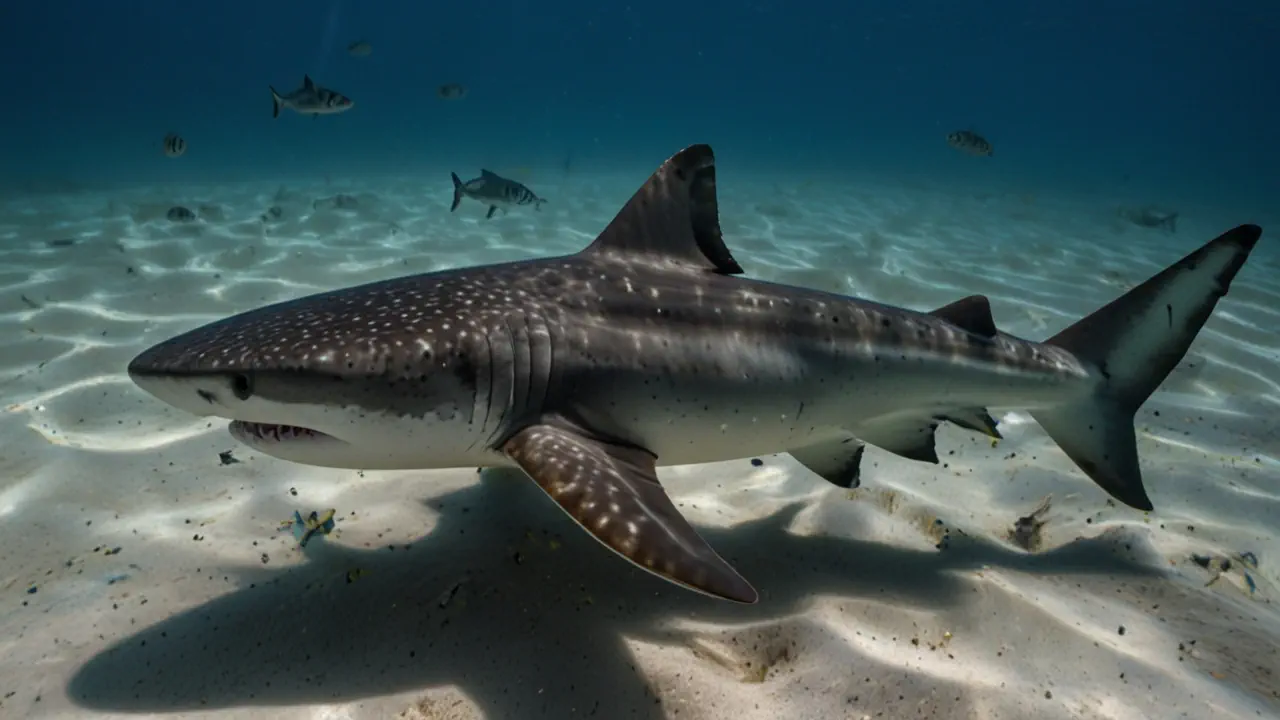
Sharks hold a special place in Cuban culture and folklore. In some coastal communities, sharks are seen as guardians of the sea, and their presence is considered a sign of a healthy marine ecosystem. This reverence for sharks has contributed to local support for conservation efforts.
Additionally, some Cuban artists have incorporated shark imagery into their works, celebrating the power and grace of these ocean predators. Visitors to Cuba might notice shark motifs in paintings, sculptures, and even in the vibrant street art scene of Havana.
Planning Your Cuban Shark Adventure
If you’re eager to experience Cuba’s shark-rich waters, consider these tips:
- Best time to visit: While sharks can be spotted year-round, the best visibility for diving is typically from December to April.
- Choose reputable operators: Book your diving or snorkeling trips with well-established, environmentally responsible tour operators.
- Get proper training: If you’re new to diving, consider taking a course before your trip to ensure you’re comfortable in the water.
- Bring a camera: Underwater cameras or GoPros can help you capture unforgettable moments with these majestic creatures.
- Learn about shark species: Familiarize yourself with the different shark species you might encounter. This knowledge will enhance your appreciation and help you identify what you see.
In conclusion, Cuba’s waters offer a rare glimpse into a world where sharks still reign as apex predators. The presence of these magnificent creatures is a testament to Cuba’s successful marine conservation efforts and provides an unparalleled opportunity for visitors to witness the beauty and diversity of shark species in their natural habitat. Whether you’re an experienced diver or a curious snorkeler, encountering sharks in Cuba’s crystal-clear waters is an experience that will leave you with a newfound respect for these misunderstood creatures and a deeper appreciation for the importance of marine conservation.
So, pack your wetsuit, grab your mask, and prepare for an unforgettable adventure in Cuba’s shark-infested (in the best way possible) waters. Just remember: respect, caution, and a sense of wonder are your best companions when exploring the underwater world of Cuban sharks.