
This guide delves into the world of advanced plyometrics, equipping you with the knowledge and tools to take your training to the next level. We’ll explore the benefits, delve into advanced exercise variations, and discuss safe programming and progression techniques. Additionally, we’ll shed light on common mistakes and injury prevention strategies to ensure you reap the rewards without setbacks.
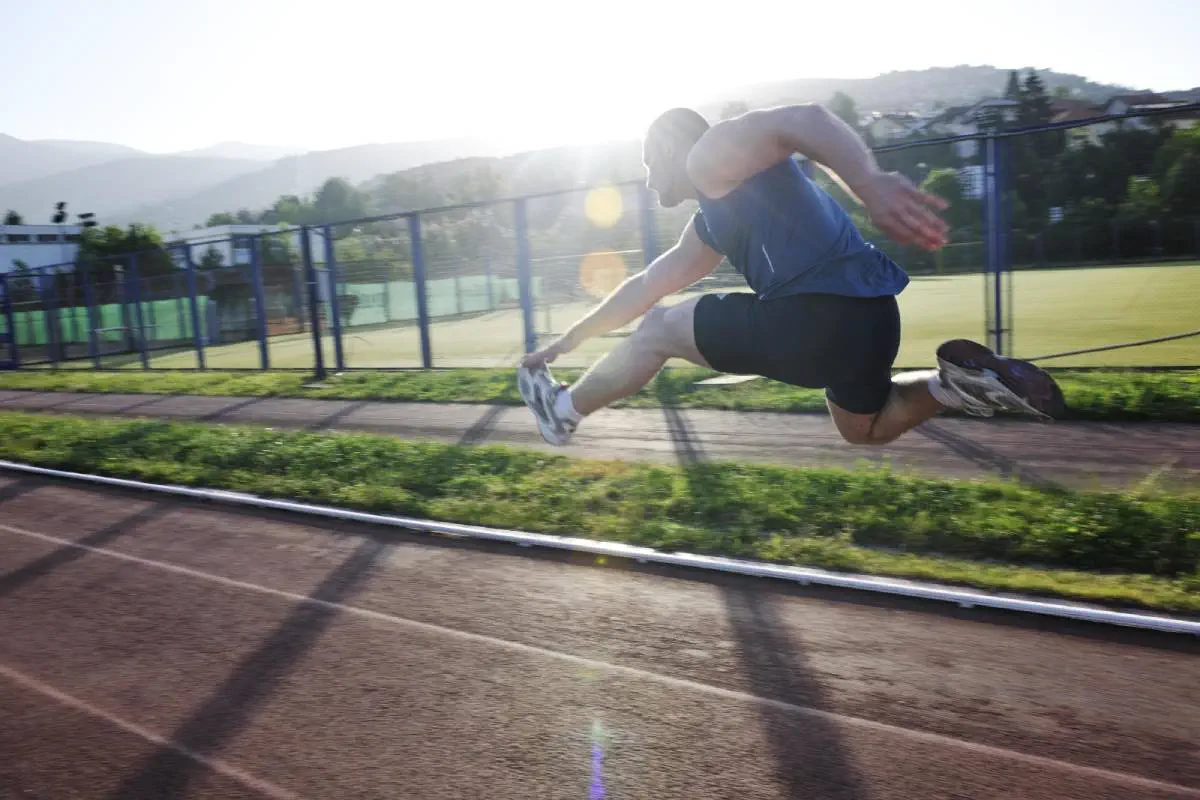
Benefits of Advanced Plyometrics
So, why take the plunge into advanced plyometrics? The advantages are compelling:
- Increased Power and Explosiveness: Advanced plyometric exercises challenge your muscles to generate even greater force in a shorter time frame. This translates to improved jumping ability, faster sprints, and more powerful throws, enhancing your performance in any activity that demands explosive movements.
- Enhanced Athletic Performance: Whether you’re a seasoned athlete or a weekend warrior, advanced plyometrics can elevate your game. These exercises target the specific demands of your chosen sport, improving agility, coordination, and reaction time, allowing you to react and move with greater efficiency on the field or court.
- Improved Injury Resilience: Advanced plyometrics don’t just build power; they also strengthen your muscles, tendons, and ligaments. This improved robustness makes you less susceptible to injuries caused by sudden changes in direction, jumps, or landings. By strengthening the neuromuscular system, advanced plyometrics enhance your body’s ability to absorb and control impact forces.
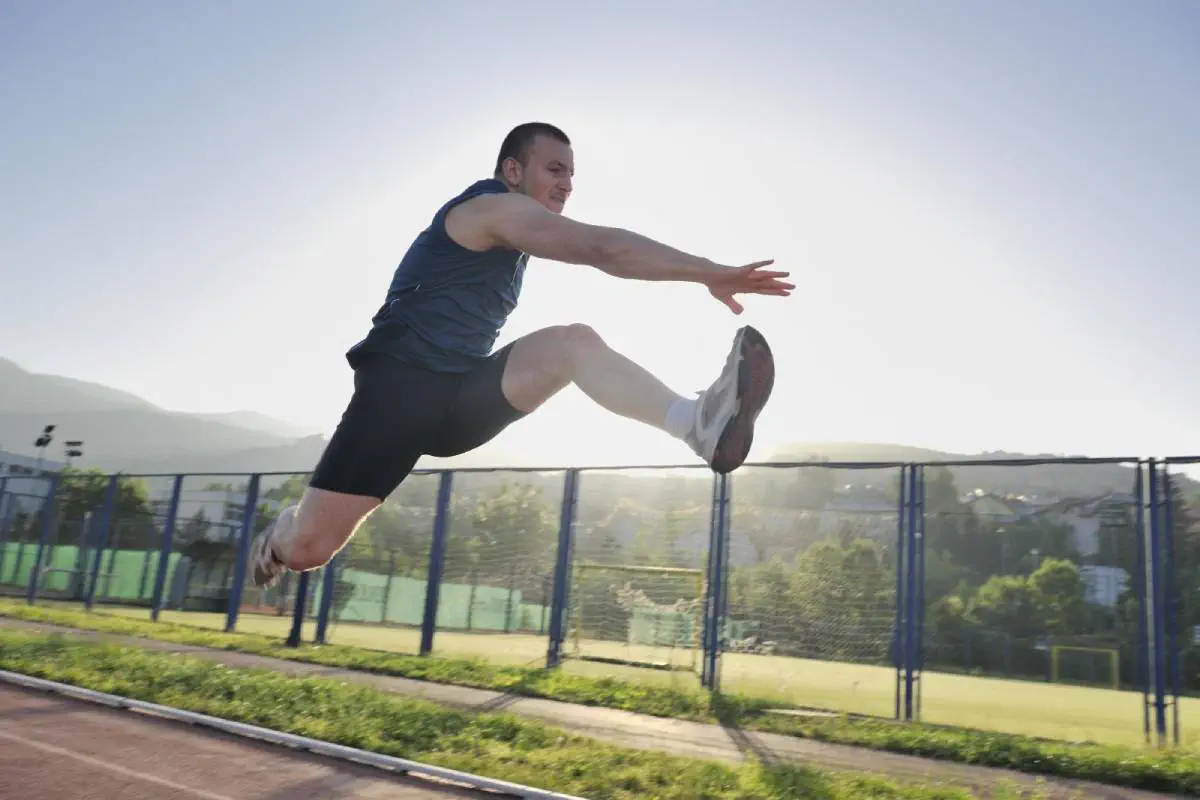
Who Should Consider Advanced Plyometrics?
Advanced plyometrics are not for everyone. They require a solid foundation in basic plyometric movements, proper technique, and a good level of overall fitness. Here’s who can benefit most:
- Experienced Athletes: If you’ve been consistently performing basic plyometrics for some time and feel ready for a challenge, advanced plyometrics can help you reach new performance heights.
- Individuals with a Strong Foundation: Before attempting advanced variations, ensure you have mastered basic jumps, landings, and bounding drills with proper form. This ensures safe progression and maximizes the effectiveness of the exercises.
- Those Seeking Enhanced Power and Resilience: Advanced plyometrics are ideal for athletes seeking to elevate their power output and build a robust body capable of withstanding the demands of their sport.

Advanced Plyometric Exercises
Now that you understand the benefits, let’s explore some advanced plyometric exercises to incorporate into your routine:
- Lower Body Jumps:
- Depth Jumps: These involve jumping from a raised platform, maximizing power generation during the eccentric (downward) phase before exploding upwards. Start with a low height and gradually progress as you gain confidence.
- Box Jumps (multiple variations): Box jumps offer endless possibilities. You can increase the height, perform single-leg variations, or add a medicine ball toss for an upper body challenge.
- Trap Bar Deadlift Jumps: This exercise combines the benefits of deadlifts with plyometrics. The trap bar reduces stress on the spine while allowing you to explosively jump from the bottom position, building explosive power in your posterior chain.
- Single-Leg Bounds: These single-leg jumps challenge your balance and coordination while strengthening each leg independently. Start with shorter distances and progress to longer bounds as you gain stability.
- Upper Body Plyometrics: Don’t neglect your upper body! Here are some advanced variations:
- Medicine Ball Pushes ( különböző dobások – different throws in Hungarian): Incorporate medicine ball throws into your push-ups. Try chest throws, overhead throws, or slams, adding an explosive element to your upper body workout.
- Plyo Push-Ups: Explosive push-ups, where you clap your hands mid-air or push yourself explosively off the ground, are a challenging variation that builds upper body power.
- Box Throws: Explosive throws of a medicine ball onto a box target your shoulders, core, and legs, mimicking the throwing motion in various sports.
Programming and Progression
To maximize results and minimize the risk of injury, proper programming and progression are crucial:
- Sample Advanced Plyometric Workout Routine: Design your routine based on your goals and fitness level. A typical structure might involve a warm-up, 2-3 sets of 6-8 repetitions of each advanced exercise with rest periods in between, followed by a cool-down.
- Importance of Proper Form and Technique: Advanced exercises demand meticulous attention to form. Focus on
Maintaining proper form throughout the movement ensures maximum benefit and minimizes the risk of injury. Don’t hesitate to seek guidance from a qualified trainer if needed.
- Safe Progression: Gradually increase the difficulty of your workouts. This could involve:
- Increasing the height of jumps (depth jumps, box jumps)
- Adding weight (medicine ball throws)
- Shortening rest periods (as fitness improves)
- Introducing more complex variations (single-leg exercises)
Listen to your body and avoid pushing yourself too hard too soon. Consistency and proper progression are key to reaping the long-term benefits of advanced plyometrics.
- Recovery Strategies for Plyometric Training:
Plyometrics are demanding on your body. Here are some recovery strategies to optimize your training:
- Prioritize Sleep: Aim for 7-8 hours of quality sleep each night to allow your body to repair and rebuild muscle tissue.
- Proper Nutrition: Fuel your body with a balanced diet rich in protein and complex carbohydrates to support muscle growth and recovery.
- Active Recovery: Light activities like walking or yoga can promote blood flow and aid in muscle recovery between intense plyometric sessions.
- Static Stretching: Include static stretches after your workouts to improve flexibility and range of motion.

Injury Prevention and Common Mistakes
Advanced plyometrics are powerful tools, but they require proper execution to avoid setbacks. Here’s how to stay injury-free:
- Proper Warm-Up and Cool-Down: Never underestimate the importance of a thorough warm-up to prepare your muscles and joints for explosive movements. Likewise, a cool-down helps your body return to a resting state and promotes flexibility.
- Listening to Your Body: Pain is a signal. If you experience any pain during plyometric exercises, stop immediately and consult a healthcare professional. Don’t push through pain, as this can lead to serious injuries.
- Common Plyometric Mistakes to Avoid:
- Landing with Straight Legs: This places excessive stress on your knees. Focus on soft landings with slightly bent knees to absorb impact.
- Poor Posture: Maintain proper form throughout the movement, keeping your core engaged and back straight.
- Rushing Through Reps: Focus on quality over quantity. Perform each repetition with perfect form to maximize the effectiveness and minimize the risk of injury.
- Ignoring Rest Periods: Your body needs time to recover between sets. Respect the prescribed rest periods to ensure optimal performance and recovery.
By following these guidelines and prioritizing safety, you can reap the rewards of advanced plyometrics without compromising your health.
Physiotherapy’s Role in Optimizing Your Advanced Plyometric Journey
While advanced plyometrics offer a powerful path to athletic excellence, navigating this realm requires a multi-pronged approach. Physiotherapists play a crucial role in optimizing your training and maximizing results, ensuring you reach your goals safely and efficiently. Here’s how incorporating physiotherapy into your advanced plyometric journey can benefit you:
- Injury Prevention and Screening: Physiotherapists possess a deep understanding of human movement and can assess your body mechanics, identifying any potential weaknesses or imbalances that could lead to injury during advanced plyometrics. They can recommend corrective exercises and movement patterns to address these issues before they become problematic.
- Movement Optimization and Technique Coaching: Proper form is paramount in advanced plyometrics. A physiotherapist can analyze your technique and identify areas for improvement. They can provide targeted drills and coaching to refine your movements, maximizing the effectiveness of each exercise and minimizing the risk of injury.
- Personalized Programming and Progression: Advanced plyometrics require individualized programming to match your fitness level and goals. Physiotherapists can work with you to design a safe and effective training plan that gradually progresses in difficulty, ensuring you’re constantly challenged without overtraining.
- Post-Training Recovery and Injury Management: Advanced plyometrics can be demanding on your body. Physiotherapists can recommend appropriate recovery strategies to optimize muscle repair and prevent overuse injuries. This can include manual therapy techniques like massage or specific stretches to enhance flexibility and reduce muscle soreness. Additionally, if you do experience an injury, a physiotherapist can develop a rehabilitation program to get you back on track safely and efficiently.
Finding the Right Physiotherapist:
For optimal results, seek a physiotherapist with experience in sports medicine or athletic training. Clinics like AppliedMotion Physiotherapy in Leederville can help. They will have a comprehensive understanding of the demands placed on the body by advanced plyometrics and can provide guidance tailored to your specific needs and goals.
By integrating physiotherapy into your advanced plyometric training, you gain a valuable partner in your athletic journey. Their expertise in movement analysis, injury prevention, and rehabilitation can empower you to train smarter, not harder, achieving peak performance while minimizing the risk of setbacks. So, consider consulting a physiotherapist to unlock the full potential of advanced plyometrics and propel yourself to new heights in your chosen sport.