Sanremo (Italian: Sanremo, Ligurian: Sanremu) — is the fourth-largest city in the Liguria region, right next to the French Riviera. Luxurious hotels here sit alongside more affordable B&B-type accommodations, but overall, a beach holiday in Liguria is slightly more expensive than on the Adriatic coast.
Sanremo, Italy, Liguria Region
The terrain in Sanremo is quite hilly, everything around is planted with palm trees, and a 24-kilometer bike path stretches through the entire city — one of the longest coastal bike paths in the region. Sanremo is called the “City of Flowers” — it is one of Italy’s floriculture centers, particularly famous for carnations in a wide variety of shades. And one of the main points of attraction remains the majestic Casino Sanremo, which is not far behind its neighbor in Monaco. Overall, if you dream of a holiday with a touch of high-society glamour — Sanremo is for you.
Beach
Sanremo features cozy and quite diverse beaches. There isn’t one continuous sandy strip here, as on the Adriatic resorts — the coastline features sandy, pebbly, and rocky beach areas. As in other cities in Italy, most beaches in Sanremo are private and belong to hotels. There are only a few municipal beaches in the city, and these are typically areas with a rocky entry into the water. 
Particularly luxurious hotels have their own private beaches, which can be accessed with a special voucher. However, this mainly applies to expensive five-star hotels. The rest of the private beaches can be visited for a fee by anyone interested.
For those who are not very fond of pebbles and stones or are traveling with children, we recommend choosing Tre Ponti beach — here you’ll find a sandy shore with a gentle entry into the water. However, this makes the spot very popular among locals and tourists, so prepare for crowds. The beach is equipped with everything necessary, including changing rooms, showers, sports fields, and cafes. Here, besides swimming and relaxing on a sun lounger, you can also admire a wonderful view of the old town. By the way, Tre Ponti also has a wild area: it is quite rocky, but free of charge.
Also, pay attention to the Lungomare delle Nazioni promenade area – here you will find sandy beaches, plenty of water activities, cafes and restaurants, as well as numerous children’s playgrounds.
What to See
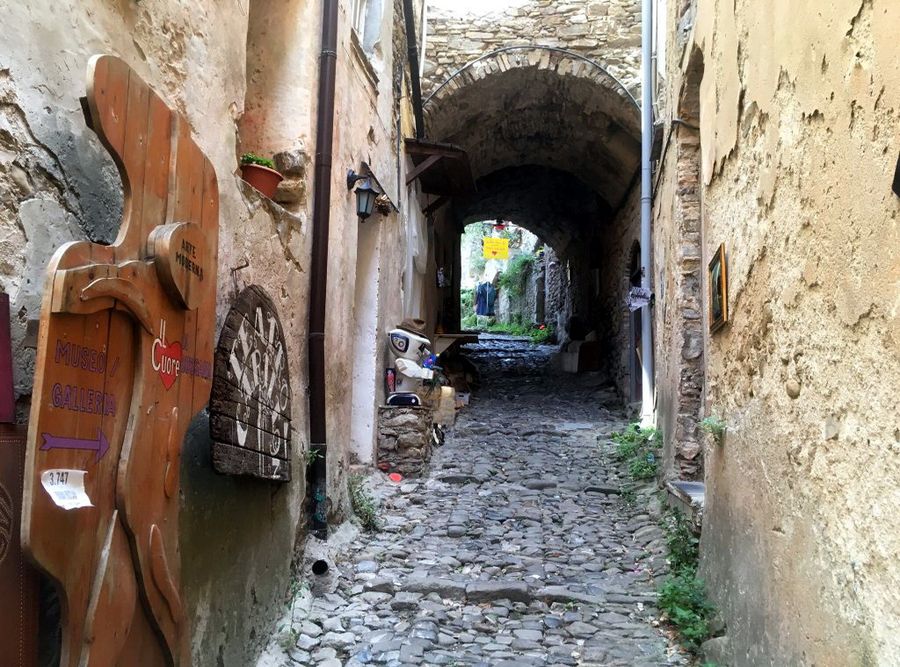
Despite its resort glamour, the city has a true Italian soul hidden in its traditionally narrow streets. This is the La Pigna district, which translates to “pine cone”. It was named so unusually because the rows of houses are located on a hill, and from a distance it really does resemble a pine cone. The district was built back in the Middle Ages, so there is neither a roadway nor signposts here, and in some places, the passages between the houses are so narrow that neighbors across from each other could literally shake hands from their windows. It is very easy to get lost here, but wandering around La Pigna is worth it at least to fully feel the contrast between ancient Sanremo and its modern bohemian coastal part.
Another landmark of the city is the Casino Sanremo. It is notable for its Art Nouveau building, which was erected in 1905. Today it is one of the largest casinos in Europe, however, inside there is also space for cultural recreation: theaters, cinemas, restaurants, conference halls. It hosts concerts, literary meetings, business events, and music festivals. In short, not just a casino, but an entire cultural center.
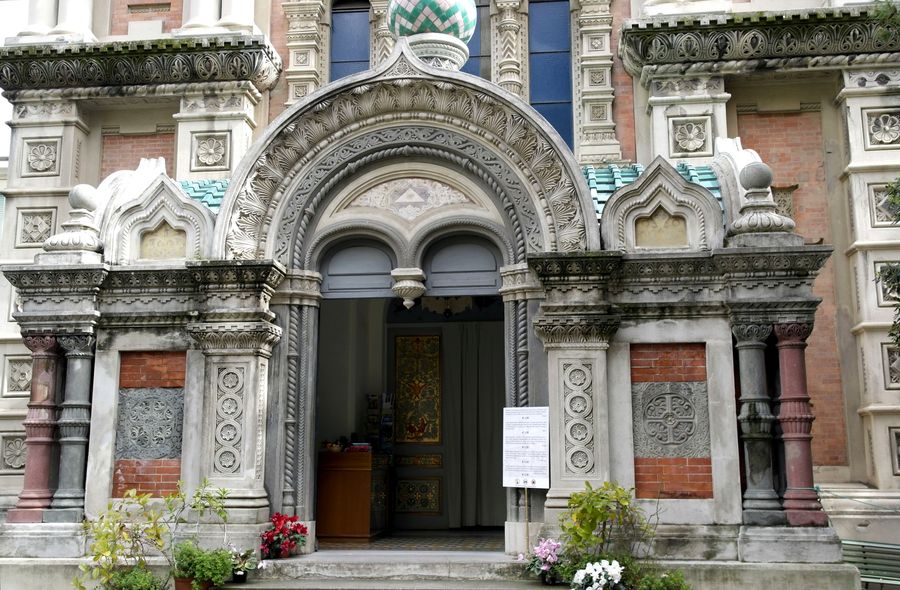
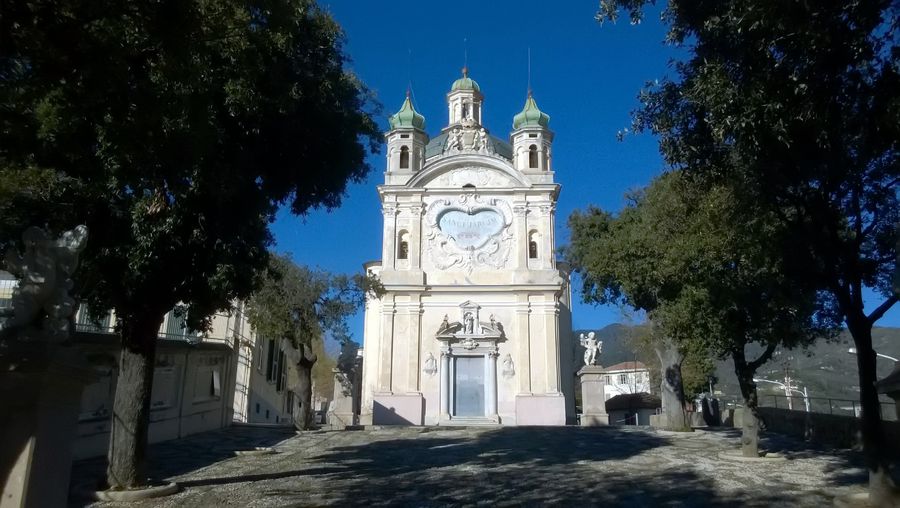
Not far from the casino is the Orthodox Church of Christ the Saviour (Chiesa Russa, o del Cristo Salvatore). It’s an unexpected sight if you don’t know that at the end of the 19th century, Sanremo was a favorite resort of the Russian nobility, including the family of the last emperor. The temple was built in 1913, designed by Alexey Shchusev. It’s worth a look for the striking contrast: traditional Orthodox domes against a backdrop of palm trees and Italian architecture. While you’re here — don’t be lazy to walk to the less popular, but no less beautiful Sanctuary of Our Lady (Santuario della Madonna della Costa), built in 1630 in the Baroque style. It is located on one of the city’s best viewing platforms, the path to which lies through that same La Pigna district.

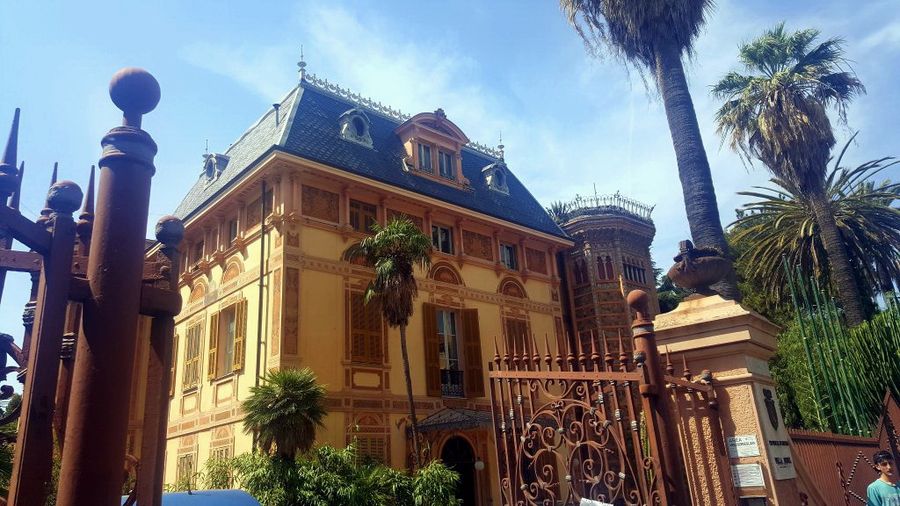
A bit further from the old town is Villa Nobel — the place where the founder of the world’s most prestigious scientific prize lived and worked. The Moorish-style building is immersed in the greenery of its own garden, and inside there is a museum where you can learn more about the life and experiments of the distinguished chemist.
A Special Reason to Visit
Sanremo lives its own distinct bohemian life, while not losing its connection to the rest of the country. To feel the atmosphere of authentic Italy, we recommend visiting the city during Ferragosto — a traditional Italian holiday celebrated annually on August 15th. Italians usually spend it with their families, while city squares host various performances at this time. In Sanremo, the holiday usually unfolds in the square of the La Pigna district. No pompousness — everything is very atmospheric, sincere, and homey. 
Video