Indonesia – a land of contrasts; a place where you can encounter the concrete jungles of modern cities and remote villages of indigenous tribes, impenetrable tropical forests, and comfortable beaches with luxurious hotels. It is one of the most densely populated countries in the world, located in Southeast Asia on both sides of the equator.
Indonesia (Republic of Indonesia)
Indonesia is often called the “Land of a Thousand Islands,” emphasizing its status as the world’s largest island nation. The country’s main tourist attractions include its unique culture, pristine nature, extraordinary flora and fauna, and endless opportunities for water sports year-round.
Geography and Nature

Indonesia covers an area of 1,919,440 square kilometers, stretching 5,120 kilometers from Asia to Australia. Its neighbors include Papua New Guinea, Malaysia, and East Timor.
Indonesia consists of more than 18,307 large and small islands scattered across the Pacific and Indian Oceans. Over 9,000 islands remain unnamed, and only about 1,000 are inhabited. Some islands are no larger than one hectare.
The largest Indonesian islands are Java, Sumatra, Borneo (Kalimantan), New Guinea, Sulawesi, Bali, Lombok, and Halmahera.
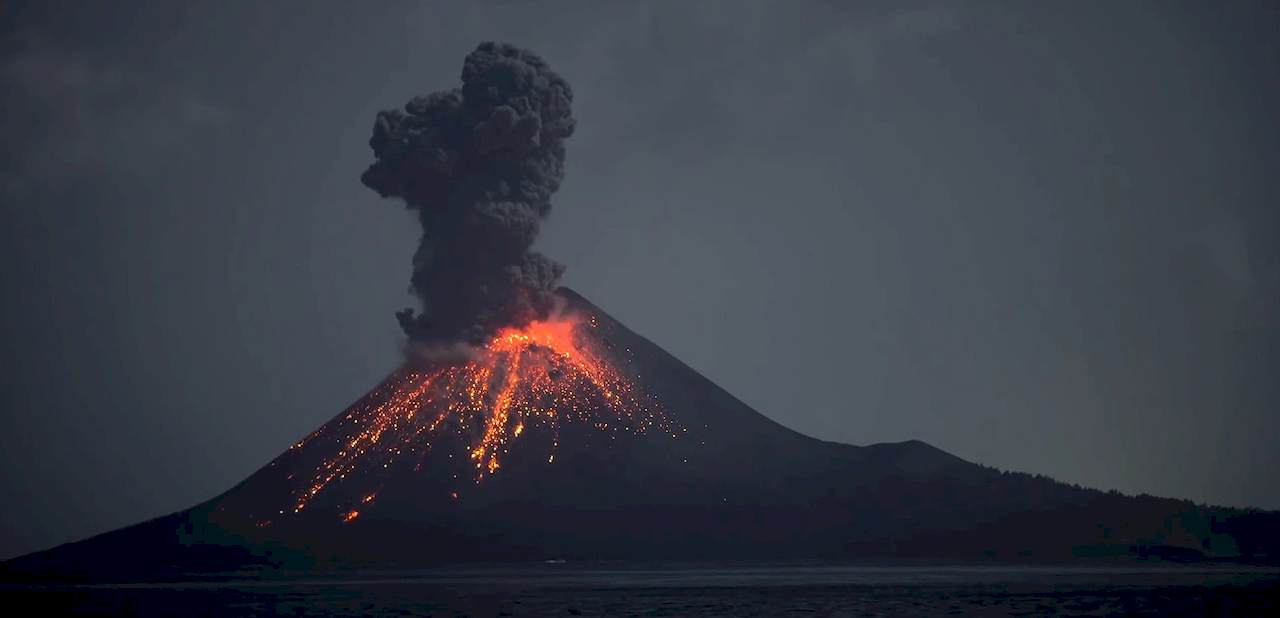
The country lies in the most seismically active zone on Earth and is part of the so-called Pacific Ring of Fire. Indonesia has 400 volcanoes, 80 of which are active.
One of the most famous Indonesian volcanoes is Krakatoa, located on a small island between Java and Sumatra. The 1883 eruption of Krakatoa triggered a catastrophic 20-meter tsunami that killed 36,000 people. The most powerful earthquake in human history lifted new islands from the ocean, and volcanic ash remained in the planet’s atmosphere for years. Today, the volcano periodically erupts, earning it a danger level of two out of four, with a 1.5-kilometer exclusion zone around it.

The islands’ terrain is characterized by steep mountain slopes rising from the water. At the base of the mountains lie plains that transition into sandy shallows with coral reefs. The coasts of Java and Sumatra are mostly rocky and steep. The average elevation of Indonesia’s mountain ranges exceeds 3,000 meters, with the highest point being Puncak Jaya (5,030 meters) in New Guinea.

Thanks to abundant seasonal rainfall, Indonesia has many full-flowing rivers that create a dense network across the islands and provide the country with electricity. Often, these waterways are the only routes to inland areas. The largest rivers are the Kapuas and Barito in Borneo; the Hari, Musi, and Kampar in Sumatra; and the Digul and Mamberamo in New Guinea.
Two-thirds of Indonesia is covered by rainforests, many of which are swampy. The northern regions are home to tropical jungles with astonishing biodiversity—you can walk a considerable distance without seeing the same tree species twice. Southern forests consist mainly of mangroves and palms, with nearly 300 species in the country. Mountains are predominantly covered with oak and walnut trees.
Indonesia is one of the last places on Earth where you can experience nature as it was millennia ago. However, wildlife populations have been steadily declining due to civilization. Sumatra and Borneo remain the last refuge of the Malayan sun bear. Only Sumatra is home to the black gibbon, along with jaguars, rhinos, and tigers. The eastern part of the country hosts echidnas, anteaters, and tree kangaroos. Komodo Island is the habitat of the famous Komodo dragon, found nowhere else in the world.
Indonesia is the only country where orangutans still survive. If you’re lucky, you might spot a hornbill, peacock, cassowary, or bird of paradise.
The famous proboscis monkey, dwarf anoa buffalo, and elephants live only on remote islands.
Numerous bird species and snakes thrive throughout the country. Indonesia is home to a third of all known insect species on Earth.
Cities of Indonesia
Major cities in Indonesia:
- Jakarta – the capital of Indonesia
- Denpasar – the administrative center of Bali
- Ubud – a city in Bali known as a renowned center of fine arts, crafts, dance, and music.
- Yogyakarta – the capital of the Yogyakarta province and a cultural hub of Indonesia, located near Mount Merapi amidst emerald-green rice fields.
- Surabaya – the second-largest city in Java, characterized by bland avenues, heat, traffic, and crowds.
- Surakarta – a city in Java, often referred to simply as Solo by locals.
Climate
Indonesia has a tropical climate with two seasons: dry (June to November) and wet (November to March). Thanks to its proximity to the equator, the weather is consistently warm and comfortable year-round, with an average of 12 hours of daylight per day.
Air temperatures range between 26 °C and 32 °C throughout the year, while seawater never drops below 26 °C. High humidity (75-100%) is surprisingly tolerable.

During the wet season, rain mostly falls at night. December and January see the most rainfall, making it the perfect time for surfing.
Mountainous and inland regions of larger islands are cooler than the hot and humid coasts.
The best time to visit Indonesia is from June to late September when heat and humidity are at their lowest.
October and March have the most unpredictable weather, marked by strong winds and sudden shifts between heat and thunderstorms.
History

People migrated to Indonesia from other parts of Southeast Asia during the Paleolithic era. Signs of statehood appeared on the islands at the beginning of the Common Era. Trade with Arabs spurred the spread of Islam. Due to its strategic location and wealth, the powerful Sumatran Srivijaya Empire emerged. However, by the 14th century, it collapsed, unable to maintain unity. In the 17th century, Indonesia was colonized by the Dutch and Portuguese, who called it the “Spice Islands.” By the 20th century, it had become almost entirely a Dutch colony.
In the 1920s, Indonesia began fighting for independence. World War II weakened the nationalist movement. In 1942, Japan occupied the country, and in 1945, Dutch forces invaded to reclaim their colonies. However, foreign aggressors were defeated by the army led by Sukarno, Indonesia’s first president and founder of the National Party.
After a liberation struggle and UN intervention, the Republic of Indonesia was proclaimed in November 1949.
In 1965, General Suharto took power, ousting Sukarno. After crushing the Communist Party and executing tens of thousands of its supporters, Suharto pursued industrialization. However, in 1998, an economy built on unsecured credit collapsed, forcing Suharto to resign.

Since the late 20th century, Indonesia has stabilized its socio-economic situation, restored investment appeal, and revived most industries to pre-crisis levels.
General Information
Indonesia is a republic led by a president. The highest legislative body is the People’s Consultative Assembly.
The country consists of 34 administrative units: 32 provinces, 1 capital district (equivalent to a province), and the special region of Yogyakarta.
With a population of 255,461,700, Indonesia ranks fourth globally. Population density varies—reaching 2,500 people per km² in rural Java but less than 1 person per km² in parts of Borneo and Sumatra.

Indonesia has 12 cities with over a million residents, the largest being Jakarta (the capital), Surabaya, Bandung, Bekasi, Medan, and Tangerang.
The country has over 760 ethnic groups, including Javanese, Malays, and Chinese.
Different communities are at varying stages of development. Some tribes live in primitive communal systems, while others remain unfamiliar with agriculture, relying solely on hunting. Indonesia is also home to Papuans and sea nomads who migrate between islands.
Indonesia is the largest Muslim-majority country, with 87% of the population practicing Islam. Christians make up about 10%, alongside Hindus, Buddhists, and Confucians. Ethnic groups include Javanese (40%), Sundanese (15%), Madurese (4%), Chinese (3%), and others.
Nearly 70% of the population lives on Sumatra and Java.

The official language is Indonesian, but over 700 languages and dialects are spoken nationwide. Besides the official language, the most common are Javanese, Chinese, and English (favored by youth).
Islands, Landmarks, and Activities
Borneo – the world’s third-largest island, shared between Indonesia, Malaysia, and Brunei. The equator runs through Pontianak, where visitors can take photos at the Equator Monument. Other attractions include the 18th-century Abdurrahman Mosque, the Kadriah Sultan’s Palace, and the City Museum with its ceramics and Chinese porcelain collections.

Western Borneo is home to the Dayak tribes, who reject modern civilization and maintain a Stone Age lifestyle. Tourists can visit Dayak villages, stay in traditional huts, and witness indigenous dances.
Borneo hosts an orangutan rehabilitation center and is home to the tiny, big-eyed tarsier—the world’s smallest primate.
In Banjarmasin, don’t miss the floating markets and the Sabilal-Mukhtadin Mosque. Kinabalu National Park features hot springs, stunning waterfalls (Kipungit and Langanan), and the world’s largest flower—the Rafflesia.
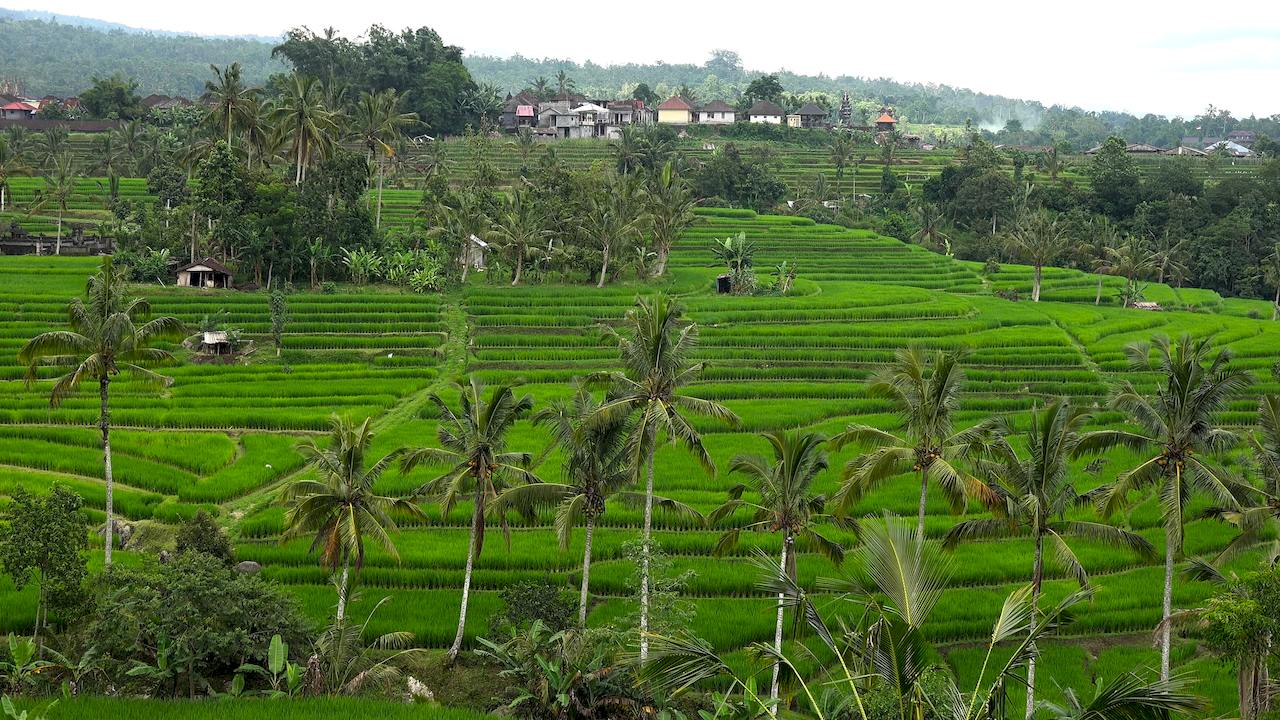
Bali – a tourist mecca known for its untouched landscapes, tropical forests, temples, and luxury resorts. The island’s predominantly Hindu population is tolerant of foreign tourists, ensuring a relaxed atmosphere. Popular resorts include Sanur, Kuta, Benoa, Nusa Dua, and Seminyak, offering excellent hotels, parks, and beaches with blue lagoons. 9 out of 10 tourists visiting Indonesia choose Bali.

Bali is perfect for diving, rafting, and surfing. Local massage salons are renowned for their exquisite spa treatments.
Beyond beaches, Bali is a treasure trove of landmarks, including:
- Taman Budaya Cultural Center
- Tanah Lot Temple
- Mount Batur
- Mother Temple
- Uluwatu Temple
- Pura Jagatnatha Temple
- Bali Bird Park and Zoo
- Elephant Cave
- Monkey Forest
- Ubud Palace
- Bali Museum
- Waterbom Aquapark
- “Treasures of Bali” dance show